What People Don’t Expect During a Total Solar Eclipse
• The Hidden Experience of a Total Solar Eclipse
Many travelers understand the science behind a solar eclipse.
But far fewer understand what it actually feels like to witness one.
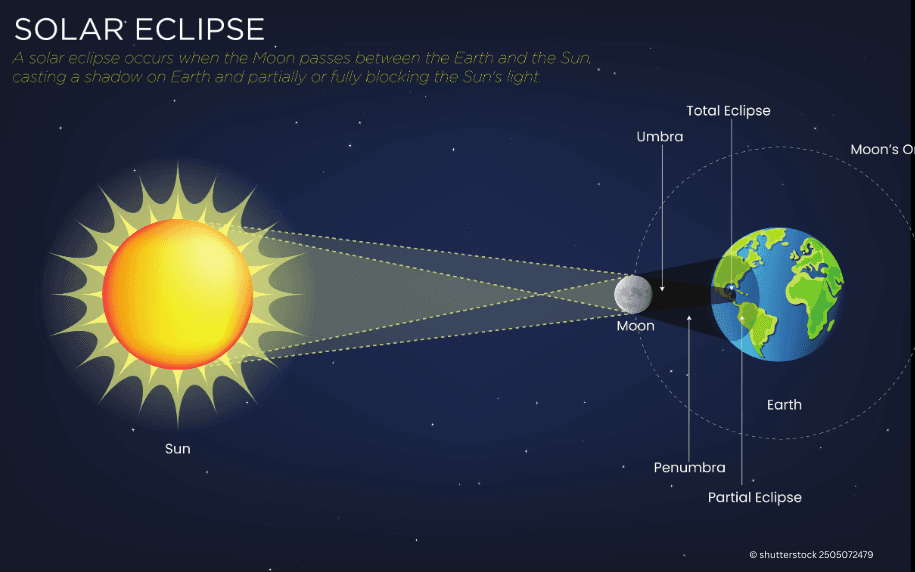
A total solar eclipse is not simply a dramatic sky event. It is a brief transformation of the world around you — a moment when daylight fades, nature reacts, and familiar surroundings take on an entirely different atmosphere.
For this reason, even well-prepared observers are often surprised by what happens during totality.
The Strange Change in Light
One of the first unexpected aspects of a solar eclipse is the light itself.
The sky does not darken gradually like a sunset. Instead, daylight takes on an unusual quality — almost filtered. Colors become muted, shadows sharpen, and the landscape appears suspended between afternoon and evening.
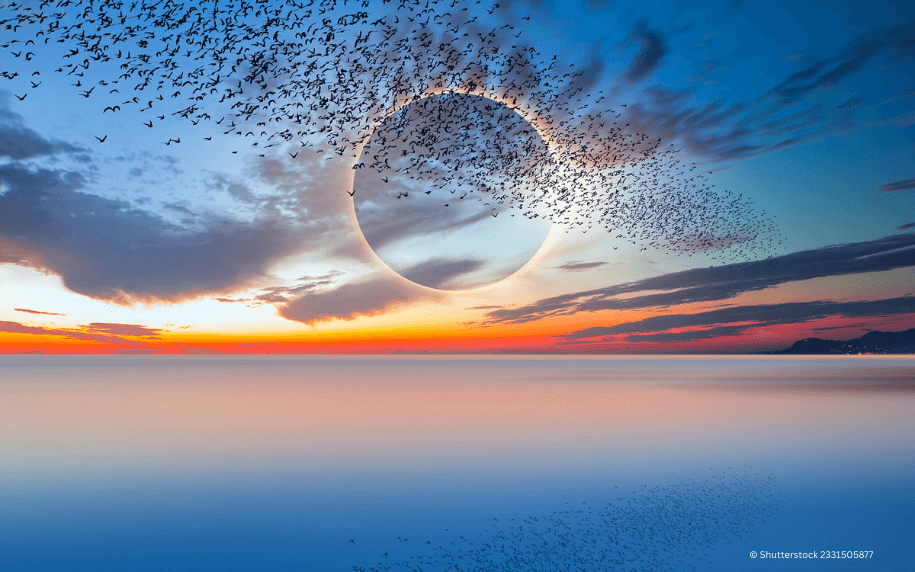
Just before totality, a remarkable effect occurs: the horizon seems to glow with simultaneous twilight in every direction.
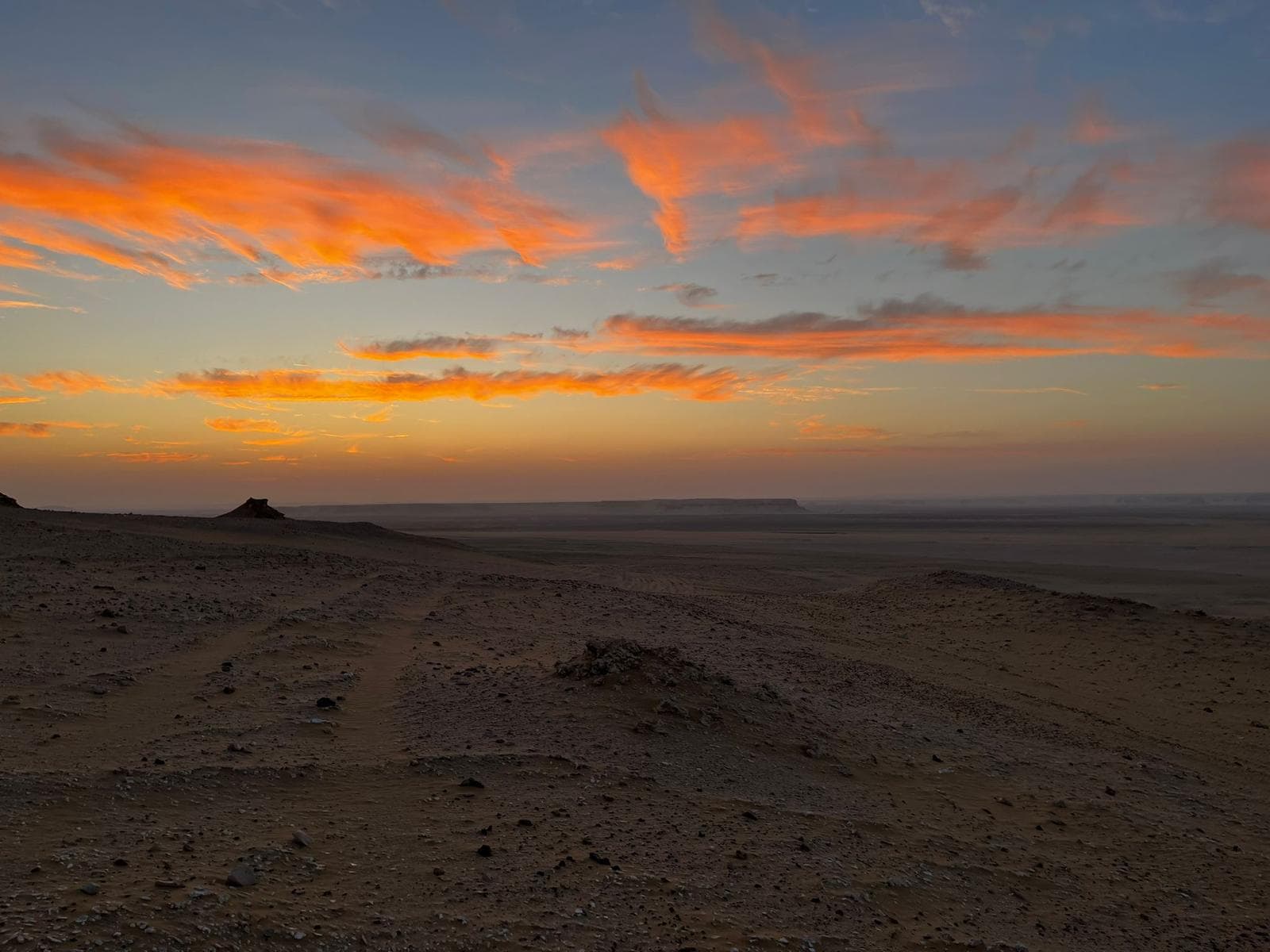
This unique lighting is one of the reasons many travelers search for the best place to see a solar eclipse, with wide desert landscapes offering unobstructed views and dramatic atmospheric changes.
A Surprisingly Emotional Experience
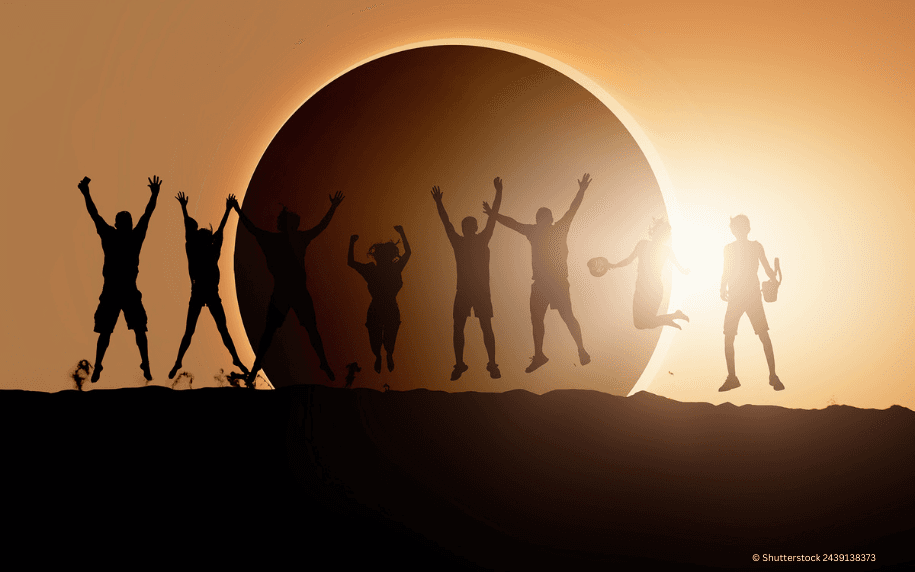
While many expect a scientific phenomenon, they do not anticipate the emotional response.
Across different eclipses worldwide, observers commonly describe:
- sudden silence
- goosebumps
- spontaneous laughter or applause
- a strong sense of awe
This reaction may stem from witnessing a rare alignment that temporarily disrupts the familiar rhythm of day and night — an experience that feels both intimate and cosmic.
For travelers planning a solar eclipse tour in Egypt, like the solar eclipse 2027, his emotional dimension often becomes as memorable as the visual spectacle itself.
How Nature Responds
Another unexpected aspect is the behavior of nature.
During totality:
- birds may quiet or return to resting spots
- insects begin evening sounds
- temperatures can drop slightly
- animals may appear briefly disoriented
These subtle changes enhance the sensation that, for a few minutes, the natural order has shifted.
During a Suneclipse desert tour, this transformation can feel even more profound. In the vast silence of the desert, sound already travels differently — and when totality arrives, many travelers describe a deep stillness that is almost tangible. The wind softens, distant noises disappear, and the landscape seems to pause in anticipation.
Without urban distractions, the eclipse becomes not only visible but immersive: a sensory experience where light, temperature, and silence merge into a rare atmospheric moment that is difficult to replicate elsewhere.
In desert regions — often considered among the best locations for solar eclipse viewing due to clear skies — these environmental changes can feel especially pronounced.
The Moment That Ends Too Quickly
Totality lasts only minutes, yet it often feels shorter.
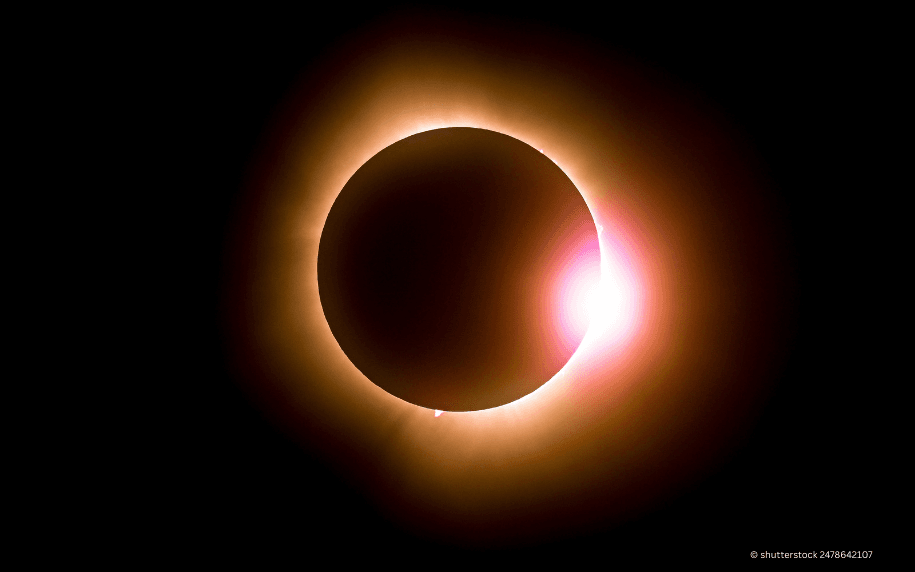
As sunlight returns, the famous Diamond Ring effect appears — a brief burst of brilliance at the edge of the Moon. Within seconds, daylight resumes and the extraordinary atmosphere dissolves.
Observers frequently describe this moment as a mix of excitement and quiet reflection, realizing how fleeting the experience truly was.
Why a Total Solar Eclipse Is Difficult to Describe
A solar eclipse is not a traditional sightseeing highlight.
It is a moment defined by contrast: light and darkness, silence and reaction, anticipation and brevity.
Perhaps this is why many travelers cross continents to witness totality. Unlike other travel experiences, a solar eclipse cannot be recreated, extended, or scheduled on demand.
It occurs once, in a specific place, for a limited time — and then disappears for years or decades.
For those seeking meaningful travel experiences, this rarity transforms eclipse viewing into something more than observation.
It becomes a memory anchored not only in what was seen, but in how the world felt during those few minutes.
You might experience this for the suneclipse 2027 too!