Two Strangers, One Room, One Eclipse
"Can I share a room with someone?"
It is one of the questions we hear most often at Dabuka.
Some want to keep costs down, some simply don't like the idea of eating breakfast by themselves for two weeks, and quite a few are a little nervous about Egypt and would feel better with company.
So yes, you can share. But we also understand the hesitation behind the question: who will that other person be? Will they snore? Will it be awkward?
Let us tell you what sharing a room on an eclipse trip can actually look like.

Margaret and Ines: from strangers to "twins"
Let's call them Margaret and Ines. They are not two specific guests, but a blend of many we have looked after over the years. Their story is one we see again and again.
Margaret is 64, a retired physics teacher from Leeds. She has wanted to stand in the shadow of the Moon since she was a girl.
Ines is 38, a nurse from Lisbon who booked on a whim after a friend dropped out. Both ticked the box saying they were happy to share. Both privately hoped their roommate would be "normal".
The first evening in Cairo was polite and a little awkward. Two suitcases, two neatly claimed sides of the room, a careful conversation about who showers first.
Margaret went to bed at nine with earplugs and an astronomy book. Ines stayed up messaging home, wondering whether she had made a mistake.
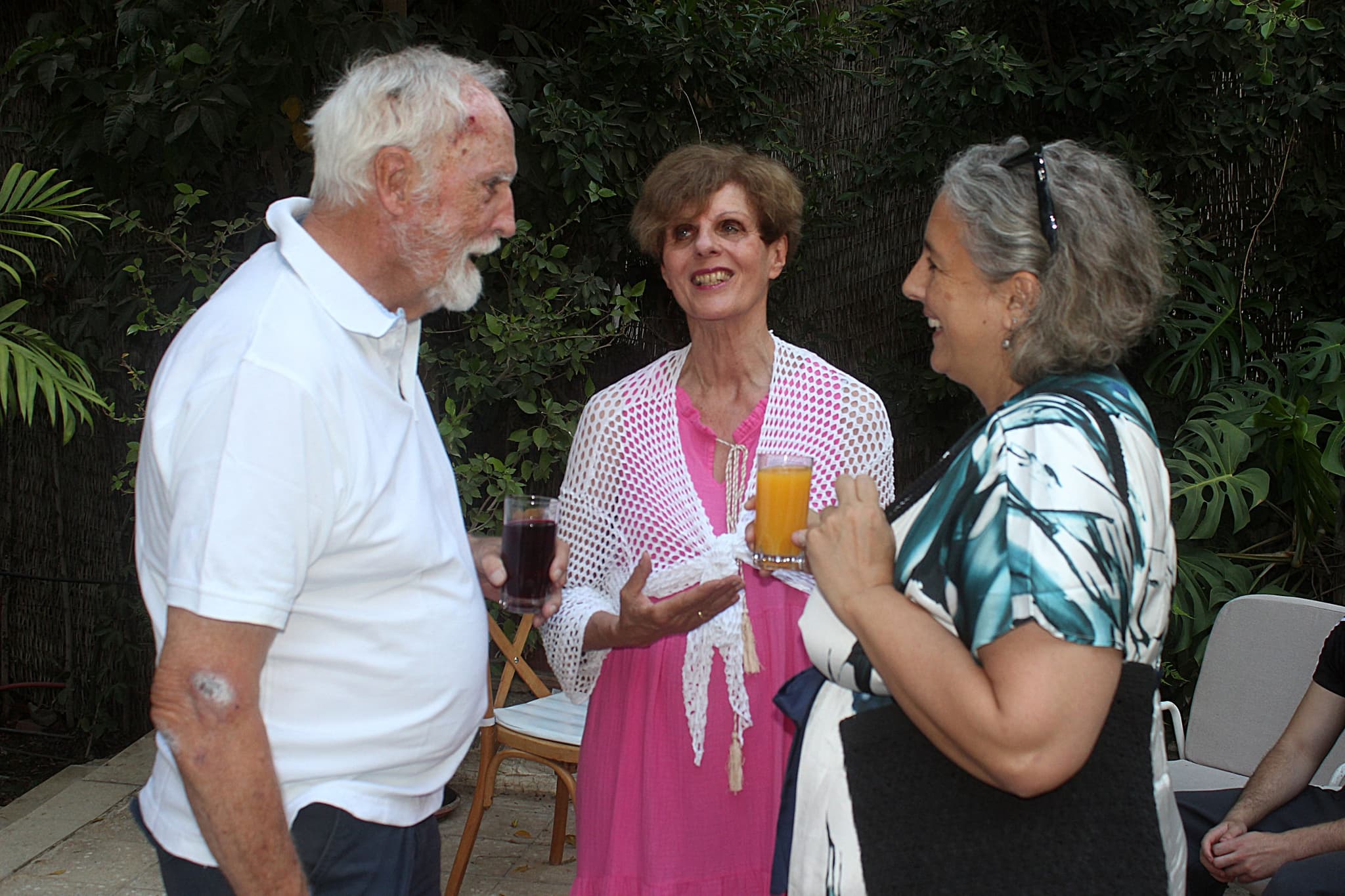
The pyjama moment
By the next morning, in front of the Pyramids, something had shifted. Margaret was explaining why the Sun and Moon look the same size in the sky. Ines was taking photos of Margaret explaining it.
That evening Ines unpacked properly and pulled out her pyjamas: pale blue, with small white stars. Margaret stared, went to her own suitcase and held up exactly the same pair.
From then on they called each other "twin". Nobody else in the group ever found out why.
Out in the Western Desert, the room became a tent. Ines lent Margaret her head torch when Margaret's batteries died. Margaret taught Ines to find the Summer Triangle above the dunes.
When Ines felt unwell after too much sun, it was Margaret who noticed first. She fetched water and called the guide.
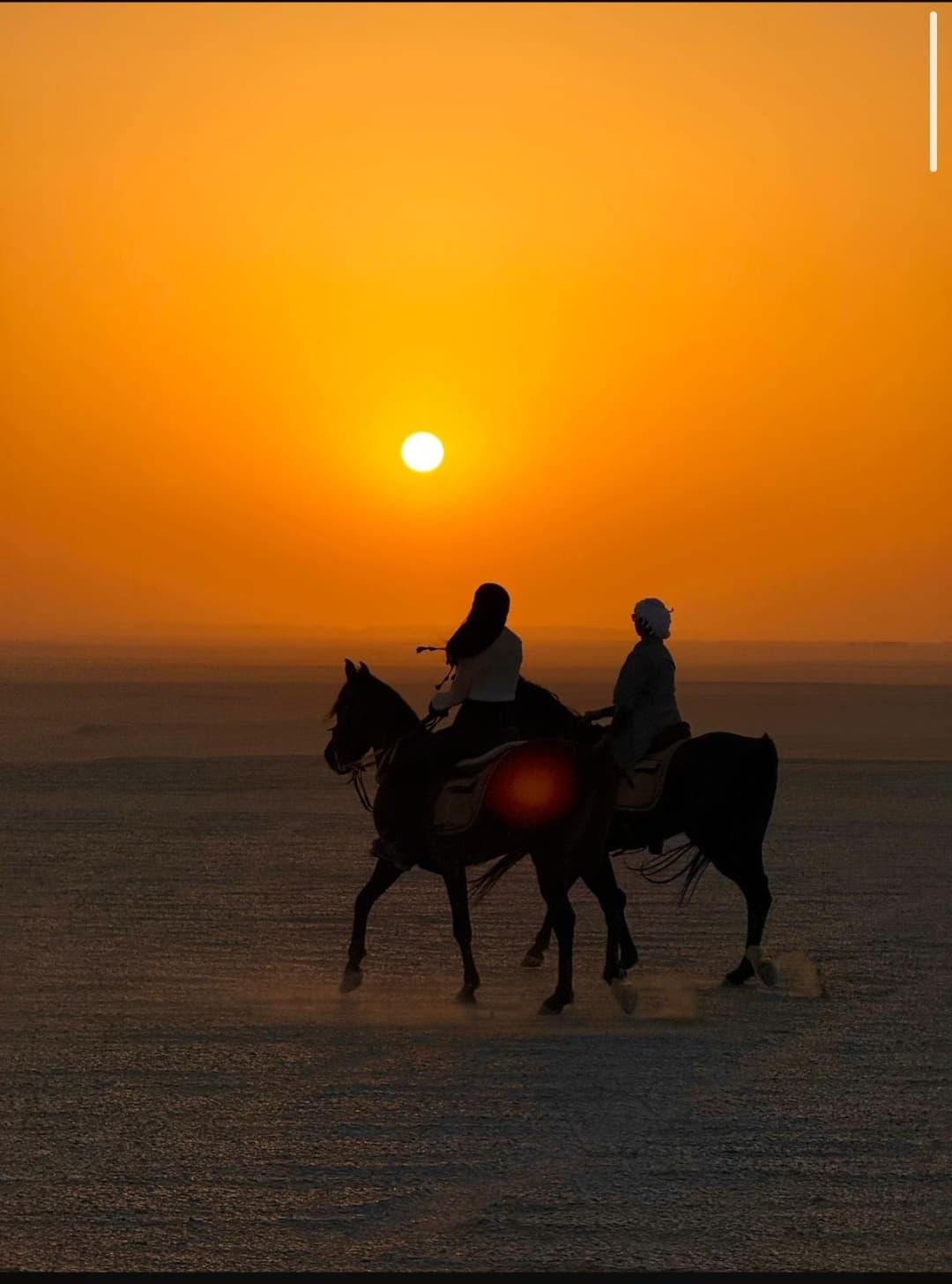
Two minutes, side by side
This is how it could happen: The night before the eclipse, in a simple hotel in Assiut, neither of them could sleep. They went over the plan in the dark: departure time, filters, what if a cloud appears. None did; August skies in Upper Egypt are reliably clear.
At some point Ines whispered that she was glad she hadn't come alone. Margaret pretended to be asleep, but she was smiling.
On eclipse morning they stood next to each other, filters on. When totality came, Margaret grabbed Ines's arm, and neither said a word for two minutes. Afterwards both were crying, and both were glad not to be crying alone.
Sharing a room is not mainly about saving money. On a trip built around one extraordinary moment, it can mean having someone to share that moment with.
Pieter and Jonas: the schedule and the snacks
Not every shared room turns into a lifelong friendship, and it doesn't have to. Pieter and Jonas are another pair stitched together from many guests we have met.
Pieter is 57, an engineer from Utrecht who plans everything in spreadsheets. Jonas is 29, an astrophotography student from Hamburg with three cameras, two tripods and very few clean T-shirts.
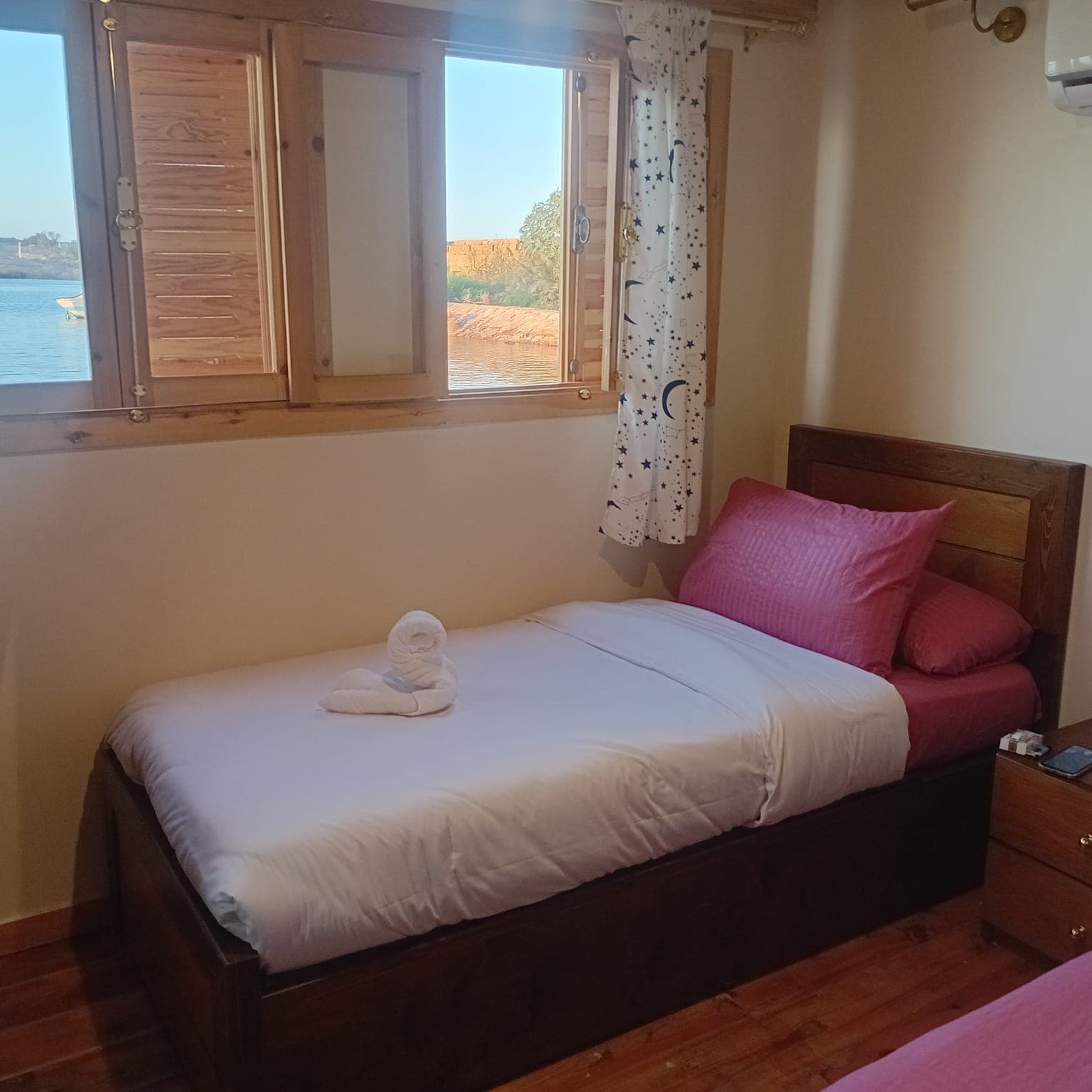
They shared a cabin on a dahabeya sailing up the Nile towards Edfu.
Within a day, the rules were clear. Pieter got the bed by the window and the first slot in the bathroom. Jonas got the desk, which soon disappeared under batteries and lenses.
Pieter thought Jonas went to bed far too late. Jonas thought nobody needed to be awake at half past five on holiday.
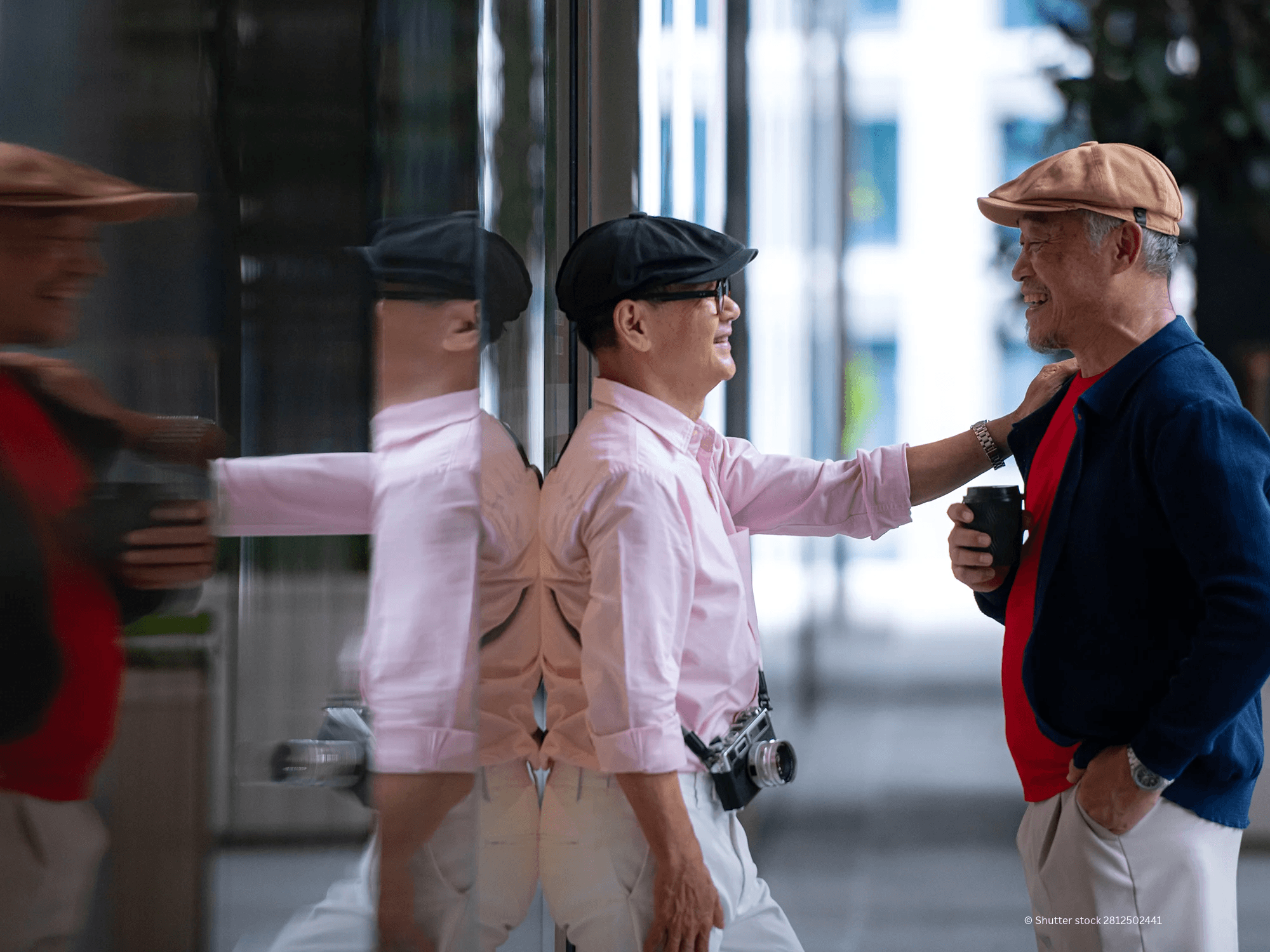
The schedule on the door
On the second morning, Pieter taped a printed schedule to the cabin door: bathroom slots, alarm times, lights out. Jonas looked at it for a long time and said nothing.
The next day a new column had appeared in pen, headed "Snacks". It held a detailed rota of who would bring biscuits from the lounge, and when. Pieter never mentioned it, but he followed the rota to the letter.
They were never going to be best friends, but they were good roommates. When Jonas needed someone to hold a light on the upper deck, Pieter held the light. When Pieter's phone died, Jonas handed him a power bank without being asked.
On eclipse day, Jonas was too busy with his cameras to look up for long. Afterwards, Pieter described totality to him in great detail, from the glowing corona to the sudden chill on the river.
Jonas still sends him his best photo every year on the second of August.
Sabine and Mei: two kinds of English
Our third pair shows how little you sometimes need in common.
Sabine is 71, a retired pharmacist from Basel. She speaks the careful English she learned at school in the 1960s, complete with "Would you be so kind" and "I beg your pardon".
Mei is 45, an architect from Singapore. She speaks English at twice the speed, generously seasoned with "lah".
The search for Makan
On the first evening, Mei asked whether Sabine wanted to go down for makan. Sabine spent ten minutes looking for a place called Makan on the hotel map. Then Mei realised, and explained that it simply meant place.
It was the start of a wonderful friendship. Mei learned to slow down. Sabine learned to say "lah", and used it at all the wrong moments.
Sabine had seen two total eclipses before. She drew little diagrams in Mei's notebook: the shrinking crescent, the strange flat light, the stars coming out at midday.
On their last night in the desert, they sat outside the glamping tent long after everyone had gone to bed. Mei pointed out the constellations she knew. Sabine politely corrected her pronunciation of the Latin names, every single time.
When the Moon finally covered the Sun, Sabine reached for Mei's hand, exactly as she had promised in one of her diagrams. Mei later told us it was the moment she understood why people fly halfway round the world for two minutes of darkness.
They still write to each other. Sabine's messages begin with "Dear Mei" and end with "Kind regards". Since Egypt, every one of them also ends with "lah".
The little things people remember
Big moments are what people travel for. But when guests talk about their roommates afterwards, it is usually the small, slightly absurd things they remember.
One guest was certain her roommate snored, and left her phone recording overnight as proof. Played back over breakfast, it was perfectly clear whose snoring it was: her own. The roommate has never let her forget it.
Two roommates set an alarm for a desert sunrise, still running on London time. They got up in the dark, dressed and packed their cameras. They sat in silence outside the tent for nearly an hour before one of them checked her watch.
A shoe left outside a tent overnight caught the interest of a fennec fox. Both roommates spent the first light of day searching the sand in their pyjamas. They found it twenty metres away, slightly chewed, and laughed so loudly they woke the camp.
One guest was so eager to test her new eclipse glasses that she wore them while brushing her teeth, "just to be sure". Her roommate took a photo. It is reportedly still her phone wallpaper.
A very polite gentleman slept two nights on the sofa, because his roommate's suitcase lay on the second bed and he didn't like to move it. On the third evening the roommate noticed and apologised profusely. For the rest of the trip, he insisted on carrying both bags.
None of these stories would have happened in a single room.
How we pair travellers at Dabuka
We keep it simple and honest. If you'd like to share, we pair you with a fellow traveller of the same gender who has also chosen to share.
Because Dabuka runs mostly private and small-group tours, we can't promise a carefully engineered personality match. We won't pretend otherwise.
People who choose an eclipse trip tend to share a lot: curiosity, patience, and a willingness to get up very early for something wonderful. That is usually a good start.
If you're unsure about Egypt or the whole idea, we're happy to talk it through with you in a personal online call before you commit.
Sharing also makes a real difference to the price. On our eclipse tours the single room supplement is considerable, so sharing is often what turns a dream trip into a possible one.
It does depend on another traveller of the same gender booking the same tour. If we can't find a roommate for you, we'll let you know, and the supplement then applies.
What sharing feels like in each kind of room
Our eclipse tours use very different kinds of accommodation, and each one changes what sharing feels like.
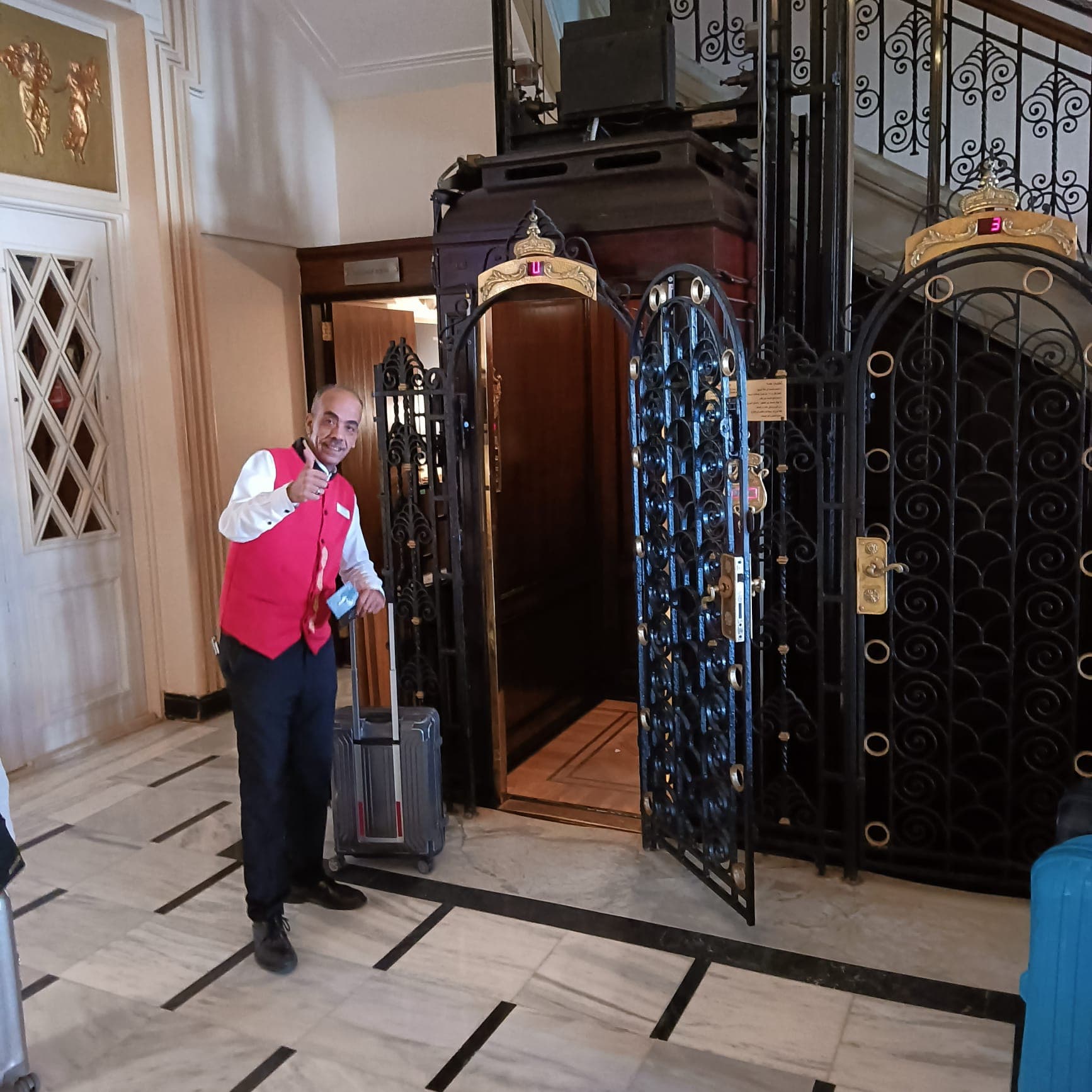
In a hotel, sharing is easiest. You have your own bed, a private bathroom and air conditioning. In Cairo there is almost always a pool where you can escape for an hour.
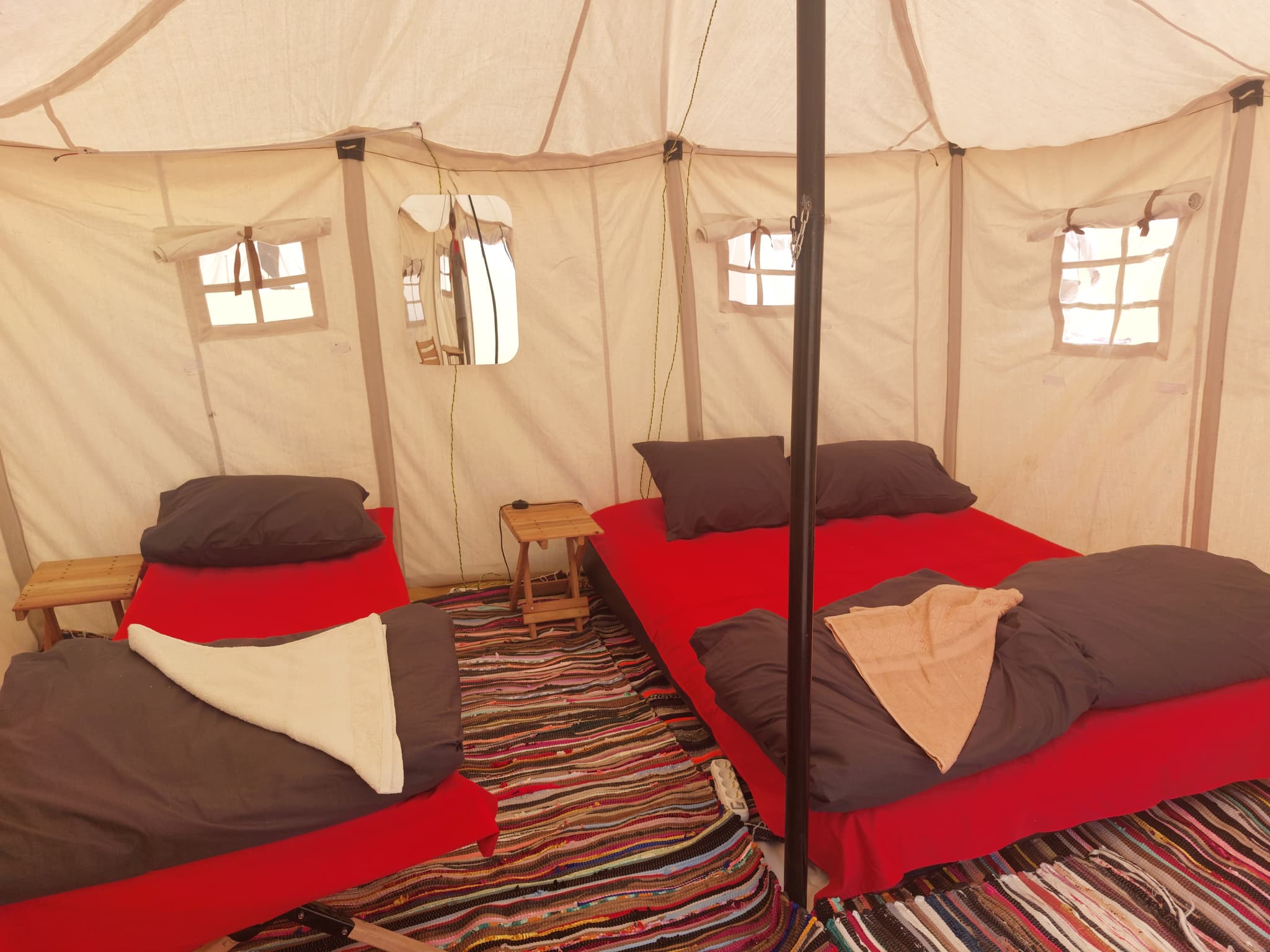
In glamping, the tents are more like small bungalows, with proper beds and room to move. At night you hear the desert around you. It feels cosy and a little adventurous.
In a simple dome tent, you are closest to each other and closest to the sky. You talk in whispers, share a head torch, and both wake up when the light comes.
On a dahabeya, cabins are compact but comfortable, and most of the day is spent on deck anyway. The cabin is a place to sleep rather than a place to live.
Whichever tour you choose, we'll tell you exactly what kind of room you'll be sharing before you book.
Come alone, leave with a friend
Many of our solo guests arrive in Cairo as strangers and leave Egypt with someone they'll write to for years. Some even plan their next eclipse together.
If you're travelling alone to the eclipse in 2027 and the idea of sharing a room appeals to you, just let us know when you enquire.
Write to us at service@dabuka.de, tell us a little about yourself, and we'll help you find the right tour, and perhaps the right person to share the shadow with.