Solar Eclipse Egypt 2027: The Sun, Its Meaning, and the Myths Behind It
Why the Sun Matters for Life on Earth
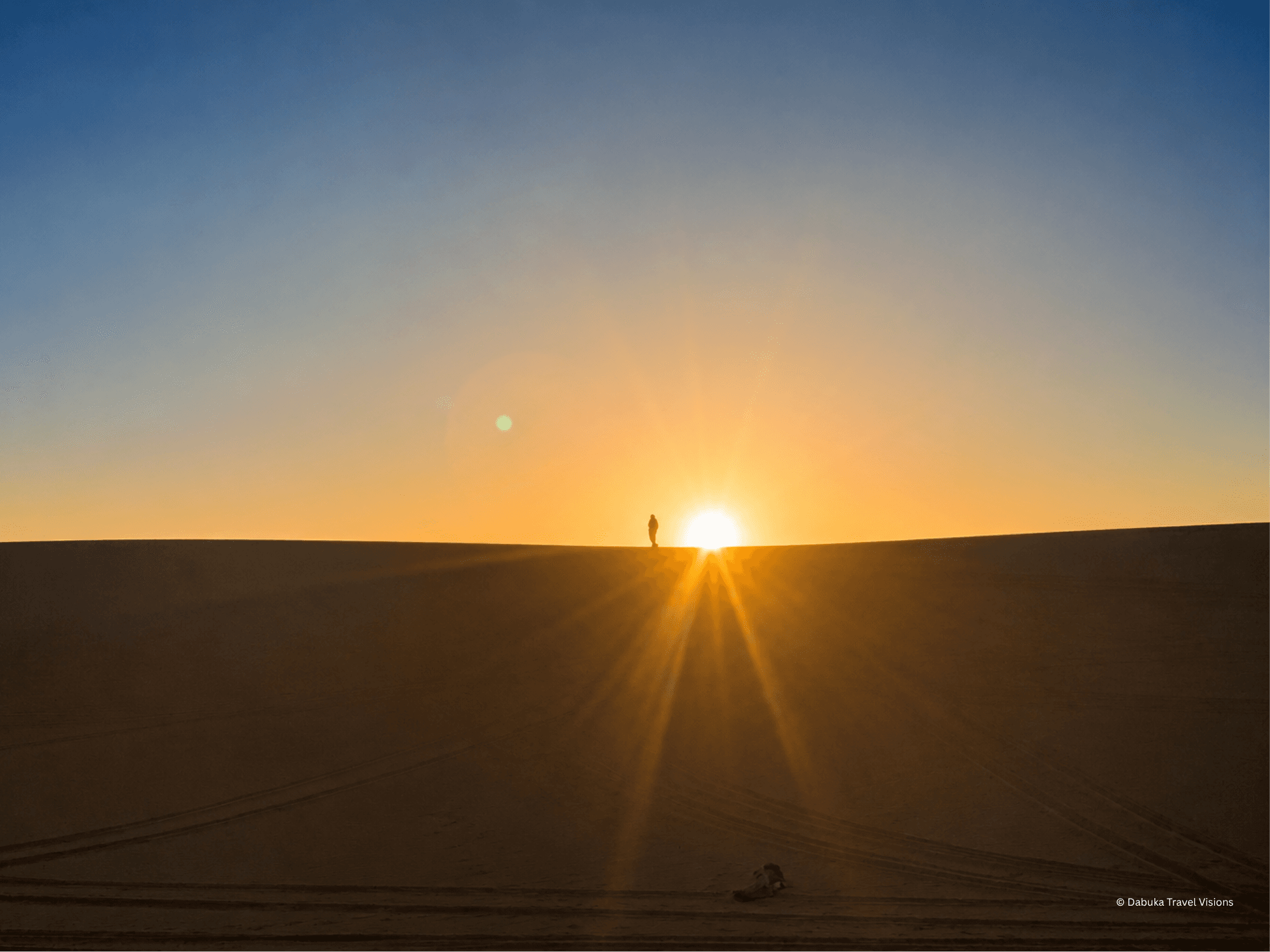
Every morning, without thinking much about it, we trust the Sun to rise.
It warms the desert after a cold night, stretches long shadows across the sand, and slowly brings the world back to life. Along the Nile, the first light reflects in shifting gold, touching fields, water, and stone alike. Nothing moves without it. Nothing grows without it.
The Sun is the foundation of life on Earth. It provides energy for plants through photosynthesis, drives global weather systems, and regulates the rhythm of day and night. Even our understanding of time—days, seasons, and years—is built around its movement.
In Egypt, this relationship is especially visible. The intensity of the sunlight shapes daily routines, from early mornings to quiet midday hours when the heat becomes strongest. People move with the Sun, not against it—a rhythm that has existed for thousands of years.
Understanding why the Sun is important for life is not just scientific—it is something that can be experienced directly, especially in landscapes where light defines everything.
Sun Myths Around the World
Long before science could explain a solar eclipse or the movement of the Earth, people told stories to understand the Sun.
These sun myths around the world reflect both admiration and fear—because while the Sun gives life, its disappearance or unpredictability has always been unsettling.
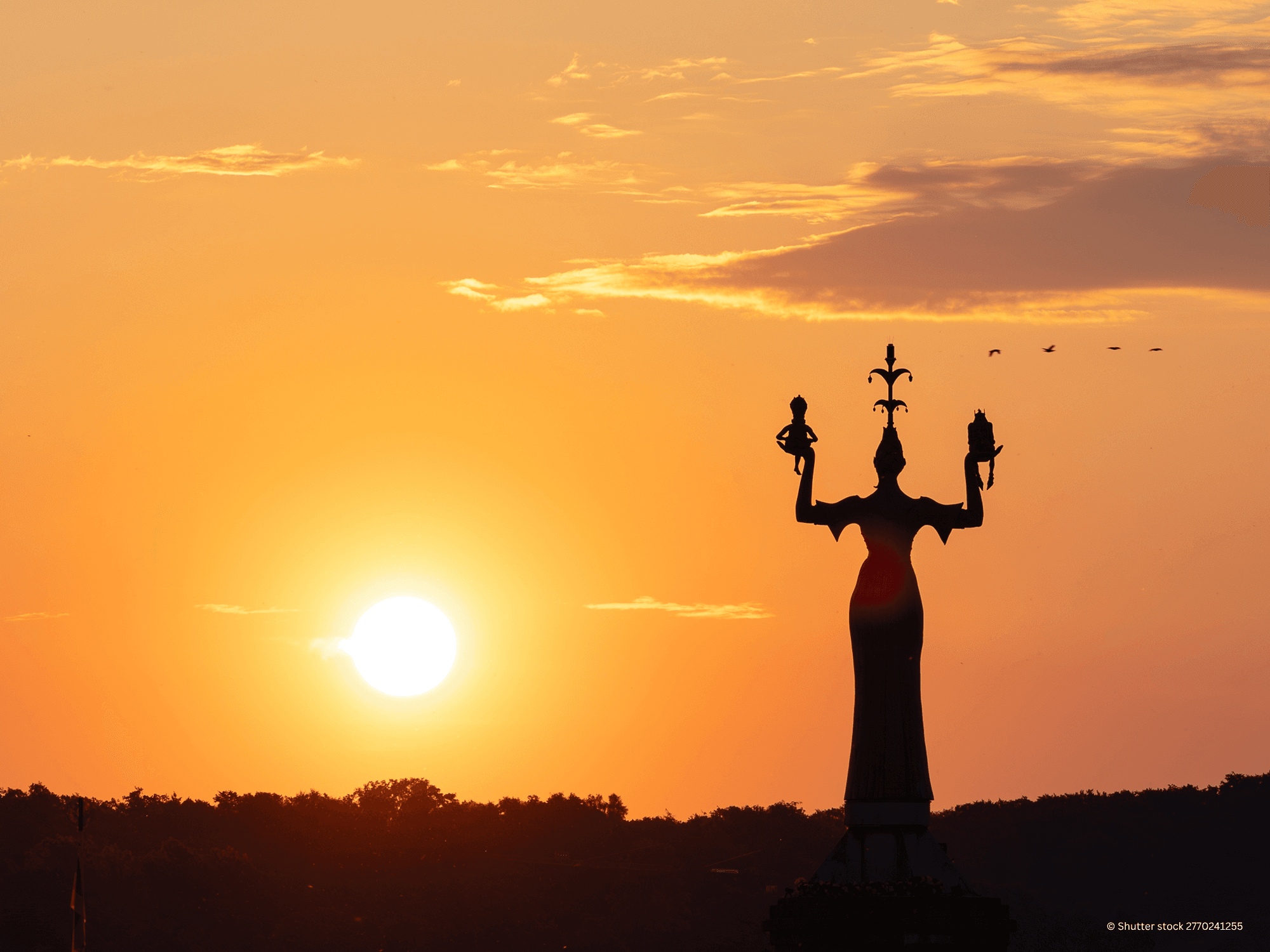
In ancient Egypt, the Sun was the god Ra. Each day, he traveled across the sky in a solar boat. At night, he descended into the underworld, where he had to defeat the forces of chaos before rising again. Every sunrise was not guaranteed—it was a victory.
In Greek mythology, Helios drove the Sun across the sky in a chariot pulled by fiery horses. But when his son Phaethon tried to guide it, he lost control. The sky burned, the Earth nearly collapsed, and the story ended in destruction—showing that the Sun’s power was beyond human control.
In Norse mythology, the Sun takes on a more fragile role. The goddess Sól is chased across the sky by a wolf. One day, during the end of the world, the wolf will catch her, and darkness will follow.
In Japan, the Sun goddess Amaterasu once hid in a cave after a conflict, plunging the world into darkness. Only through music, laughter, and cleverness was she brought back, restoring light.
The Aztecs believed that the world had already passed through several “suns,” each ending in destruction. The current Sun existed only because it was continuously sustained.
For the Inca civilization, the Sun god Inti was the most important deity. Their rulers were believed to be his descendants, linking the power of the Sun directly to authority and order.
Across all these cultures, one idea remains constant: the Sun is essential—but never fully secure.
Living with the Sun in Egypt
Today, we understand the Sun through science. We know its distance, its energy, and its cycles. But our daily relationship with it has not changed as much as we might think.
In Egypt, the Sun still shapes everyday behavior. Shade is not just comfort—it is necessary. Water is not optional—it is constant. Clothing, architecture, and timing all reflect an understanding of how to live with strong sunlight.
There is an unspoken awareness: when to step outside, when to rest, when to wait.
At the same time, modern knowledge adds another layer. We know that prolonged exposure can harm both skin and eyes. Using sunscreen, wearing protective clothing, and choosing proper eyewear are simple but essential habits.
This balance—between dependence on the Sun and protection from it—is part of everyday life.
How to Watch a Solar Eclipse Safely
This awareness becomes especially important during rare astronomical events such as a total solar eclipse 2027.
While a solar eclipse Egypt 2027 is a fascinating natural phenomenon, it also comes with risks if observed incorrectly. Looking directly at the Sun—even when it is partially covered—can cause serious and permanent eye damage.
If you plan to watch the solar eclipse August 2 2027, it is essential to use certified eclipse glasses or proper solar filters. Regular sunglasses are not sufficient to protect your eyes.
Understanding how to watch a solar eclipse safely ensures that the experience remains both memorable and safe.
When the Sun Disappears: Solar Eclipse Egypt 2027
On August 2, 2027, the sky above Egypt will briefly change in a way that feels unfamiliar.
The Moon will slowly move in front of the Sun, creating a total solar eclipse 2027. The light will soften, temperatures will drop, and shadows will become sharper and more defined. As the eclipse progresses, daylight will fade into an unusual twilight.
For a few minutes, the Sun will disappear completely.
For those experiencing the solar eclipse Egypt 2027, this moment is difficult to describe. It is not just a visual phenomenon—it is something that affects the entire atmosphere. The landscape changes, the air feels different, and the usual certainty of daylight is suddenly gone.
This is why solar eclipses have always carried such strong meaning.
Thousands of years ago, events like this were explained through myths—stories of gods in danger, of creatures swallowing the Sun, or of the natural order breaking apart.
Today, we understand the precise alignment of Earth, Moon, and Sun that creates a solar eclipse.
And yet, when it happens, the reaction is still deeply human.
Because even with all our knowledge, the sudden absence of the Sun does not feel ordinary.
It feels like something that was never meant to happen.