Black Desert Egypt Tour & Solar Eclipse 2027
A Once-in-a-Lifetime Desert Experience
Some journeys are special. Others are truly once in a lifetime.
Experiencing the Black Desert in Egypt during a total solar eclipse belongs to the latter.
On August 2, 2027, the sky above Egypt will darken in the middle of the day—and there is hardly a more powerful place to witness it than the vast, silent landscapes of the Western Desert.
This carefully designed Western Desert Egypt tour combines iconic highlights with a rare natural phenomenon—while ensuring comfort, safety, and a seamless travel experience throughout
From Cairo into Silence
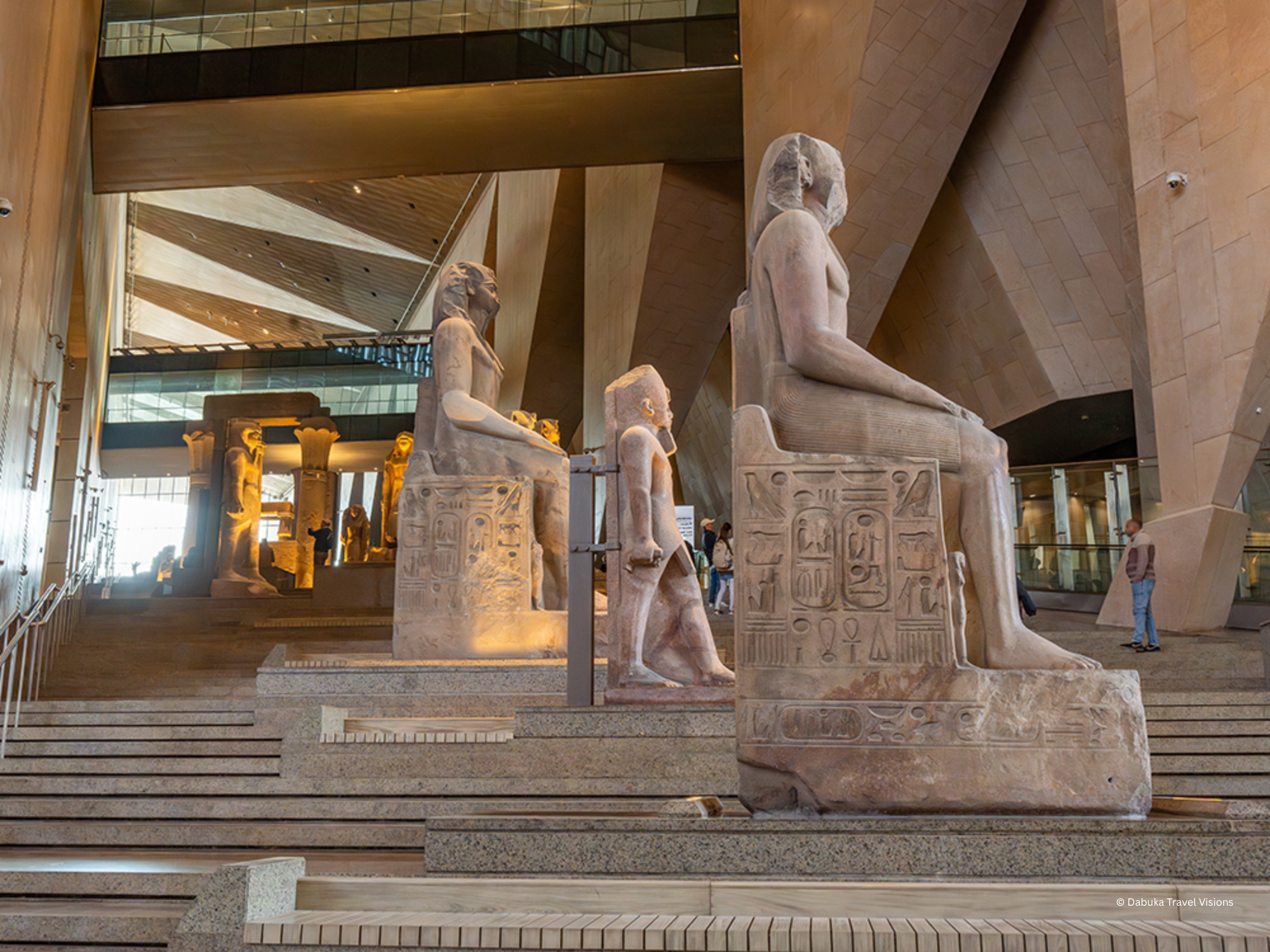
Every journey in Egypt begins with contrast. Cairo is intense, vibrant, full of movement. The Pyramids, the Sphinx, and the Grand Egyptian Museum are part of that first impression.
And yet, instead of staying in the center of it all, the journey begins in Maadi. A quieter, greener part of the city. It allows for a softer arrival, a moment to adjust before heading further.
Because what follows is not a typical route.
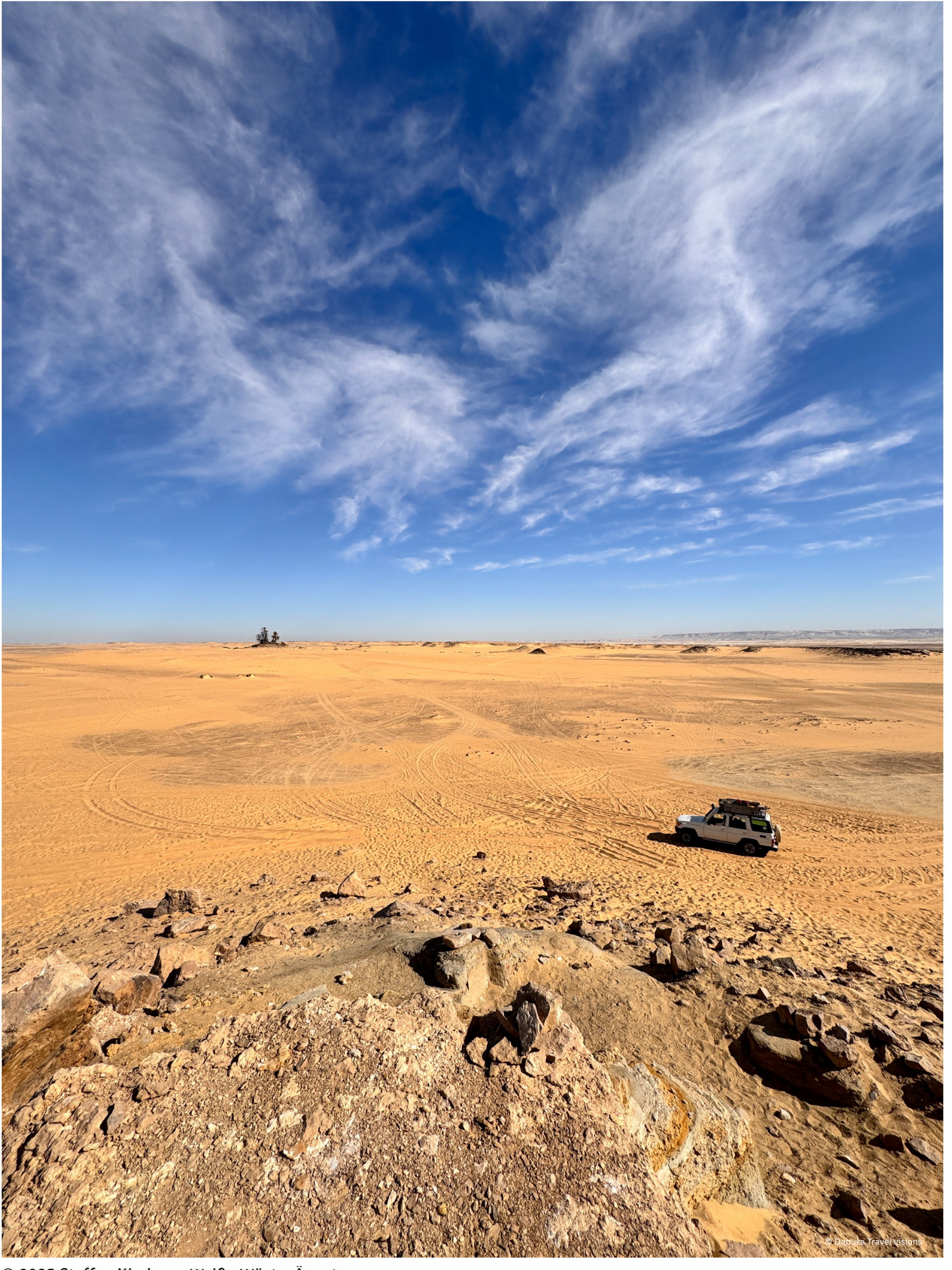
The Landscape Begins to Open
Leaving Cairo, the scenery changes almost gradually.
In Fayoum, life and desert still exist side by side. Fields, water, small villages—and then, slowly, more space. Less density. Fewer signs of everyday life.
By the time you reach Wadi El Hitan, the shift is complete.
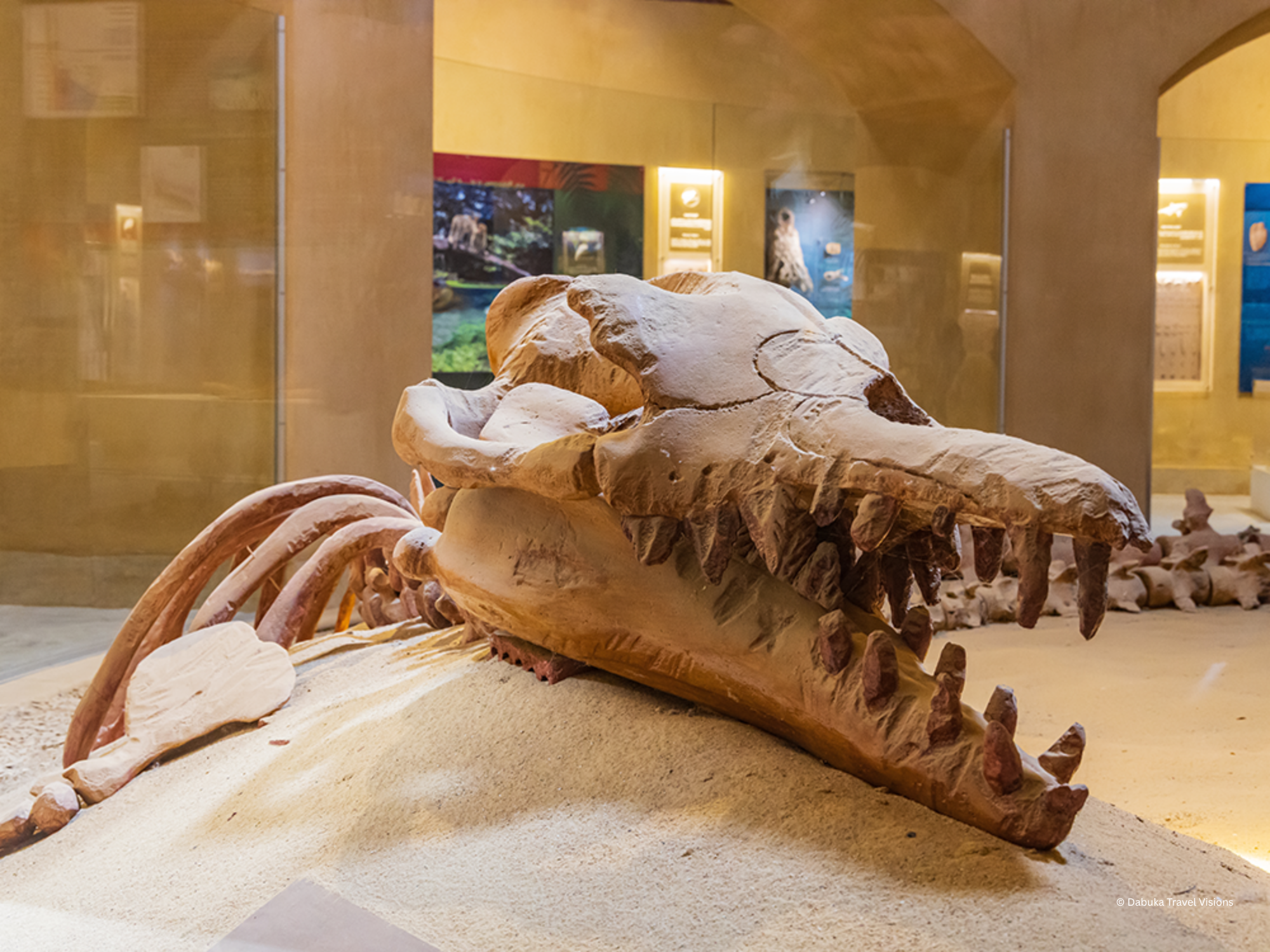
Here, the desert tells a story that goes back millions of years. Fossilized whale skeletons lie embedded in the sand, reminders of a time when this entire region was an ocean.
Distances That Feel Manageable
One concern many travelers have is the length of desert drives.
On this route, travel days are structured in stages.
Individual driving sections are usually around three to four hours, with stops in between.
This creates a steady rhythm instead of long, exhausting transfers—and makes the journey feel much more relaxed than expected.
Not Luxury, but the Right Kind of Comfort
One of the most common questions about desert travel is simple: where do you actually stay?
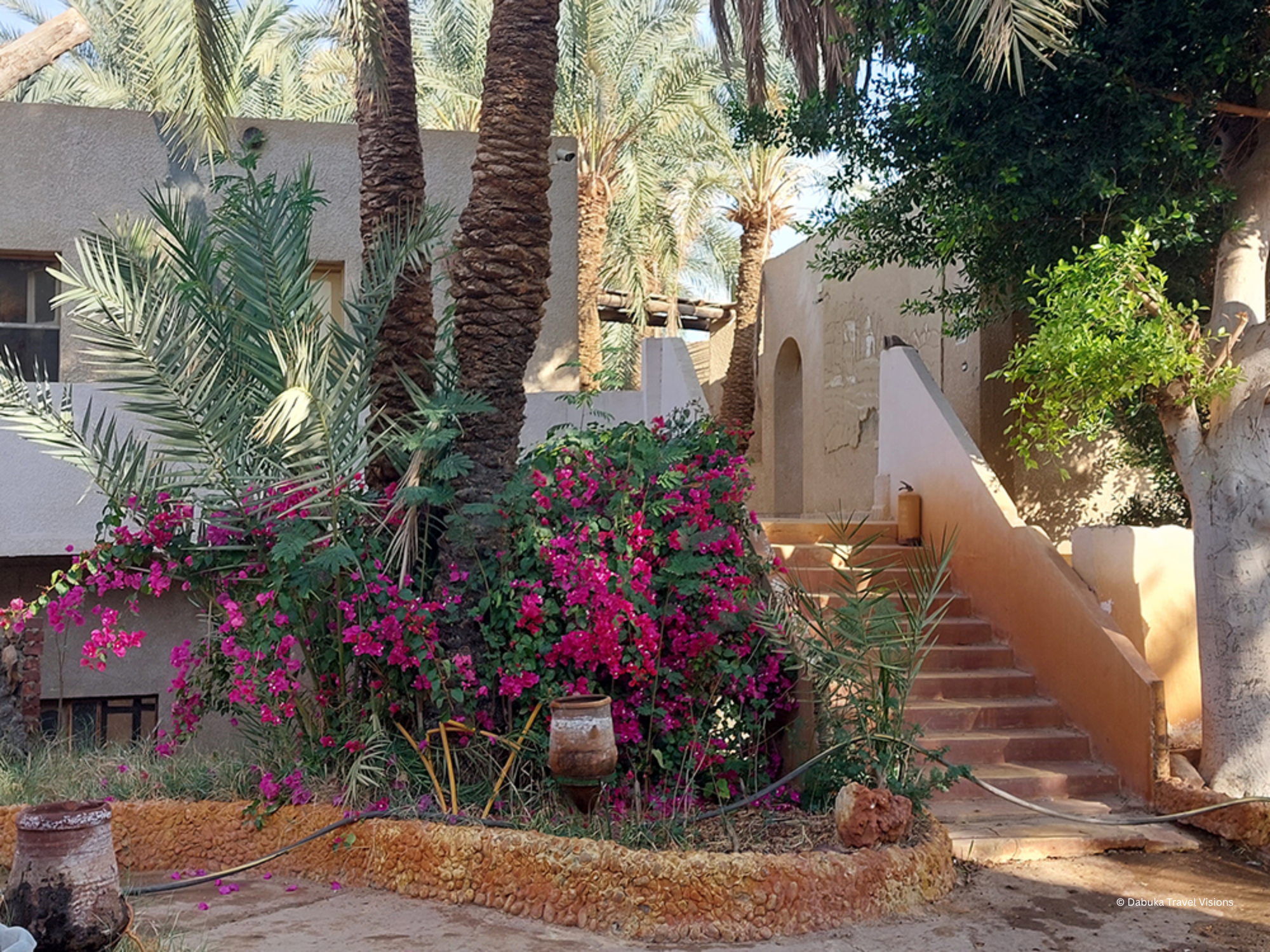
In Bahareya Oasis, the answer is intentionally straightforward. A small, locally run lodge. Rooms with air conditioning, private bathrooms, and everything needed to rest properly.
It is not about luxury in the classic sense. It is about arriving after a long day outside, taking a shower, sitting down for a freshly prepared meal, and feeling that it is enough.
White Desert, Black Desert — One Experience
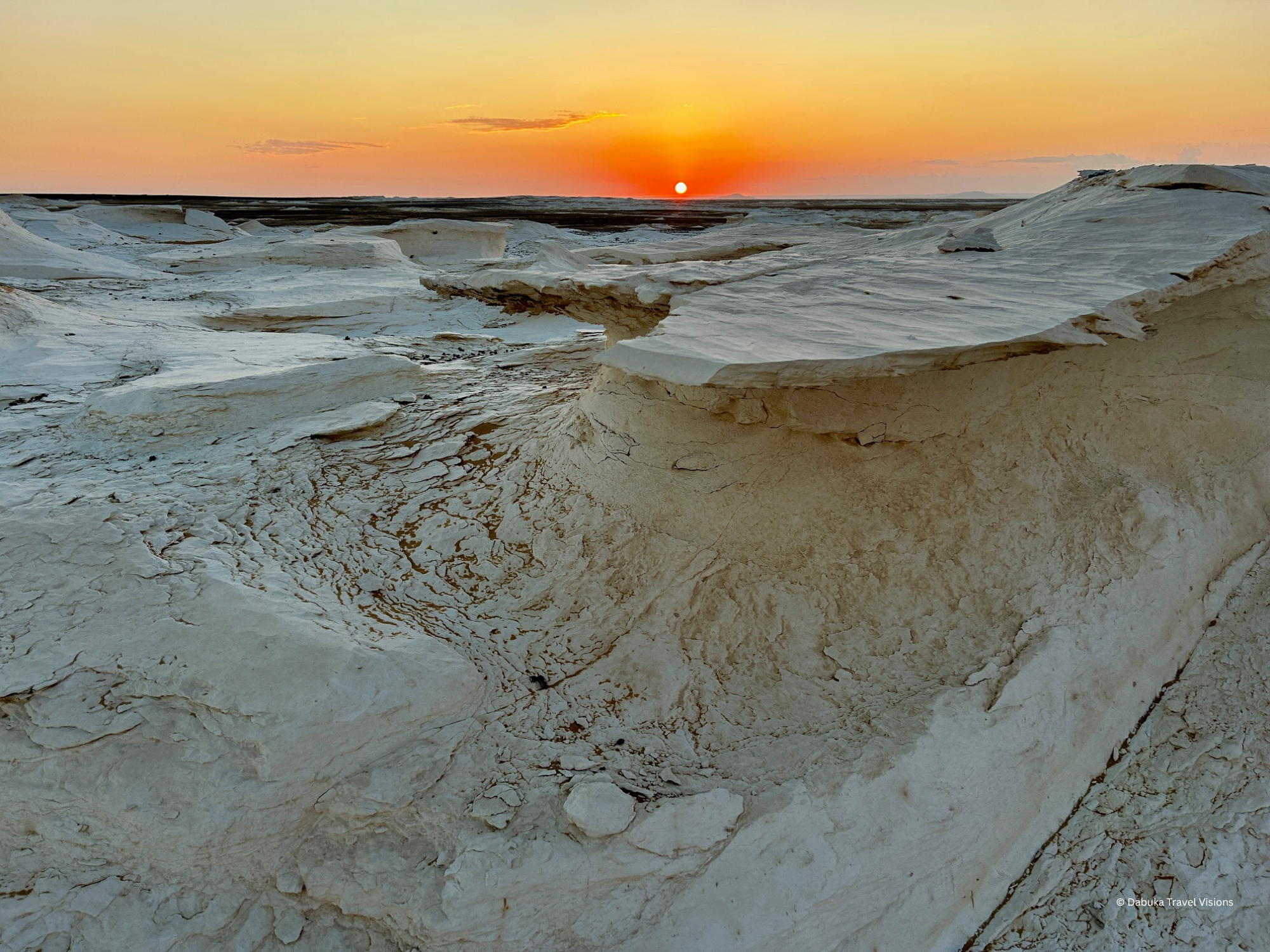
Many people imagine these as two separate highlights. In reality, they feel like different expressions of the same place.
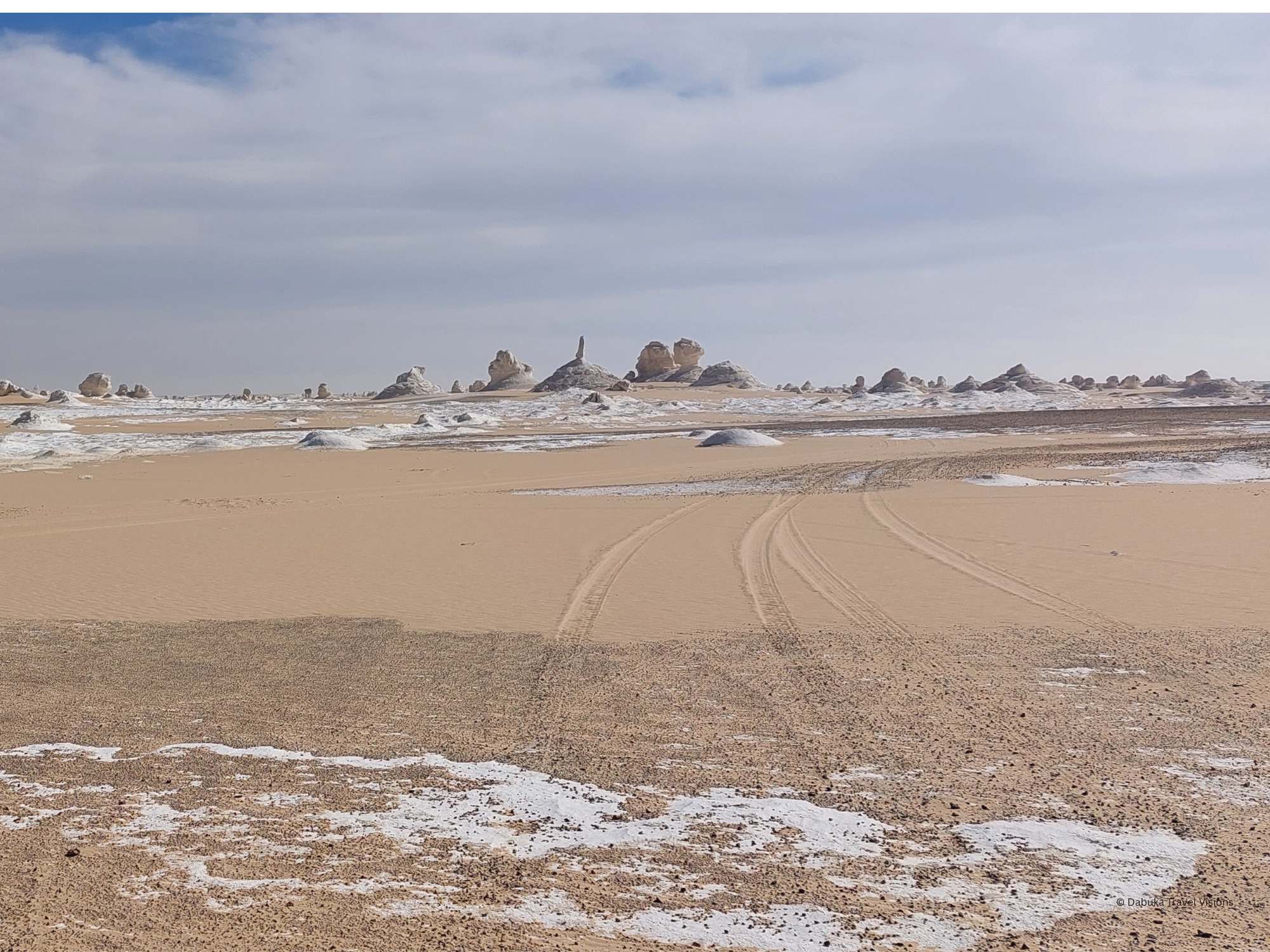
The White Desert is almost surreal. Bright, sculptural formations shaped by wind over thousands of years.
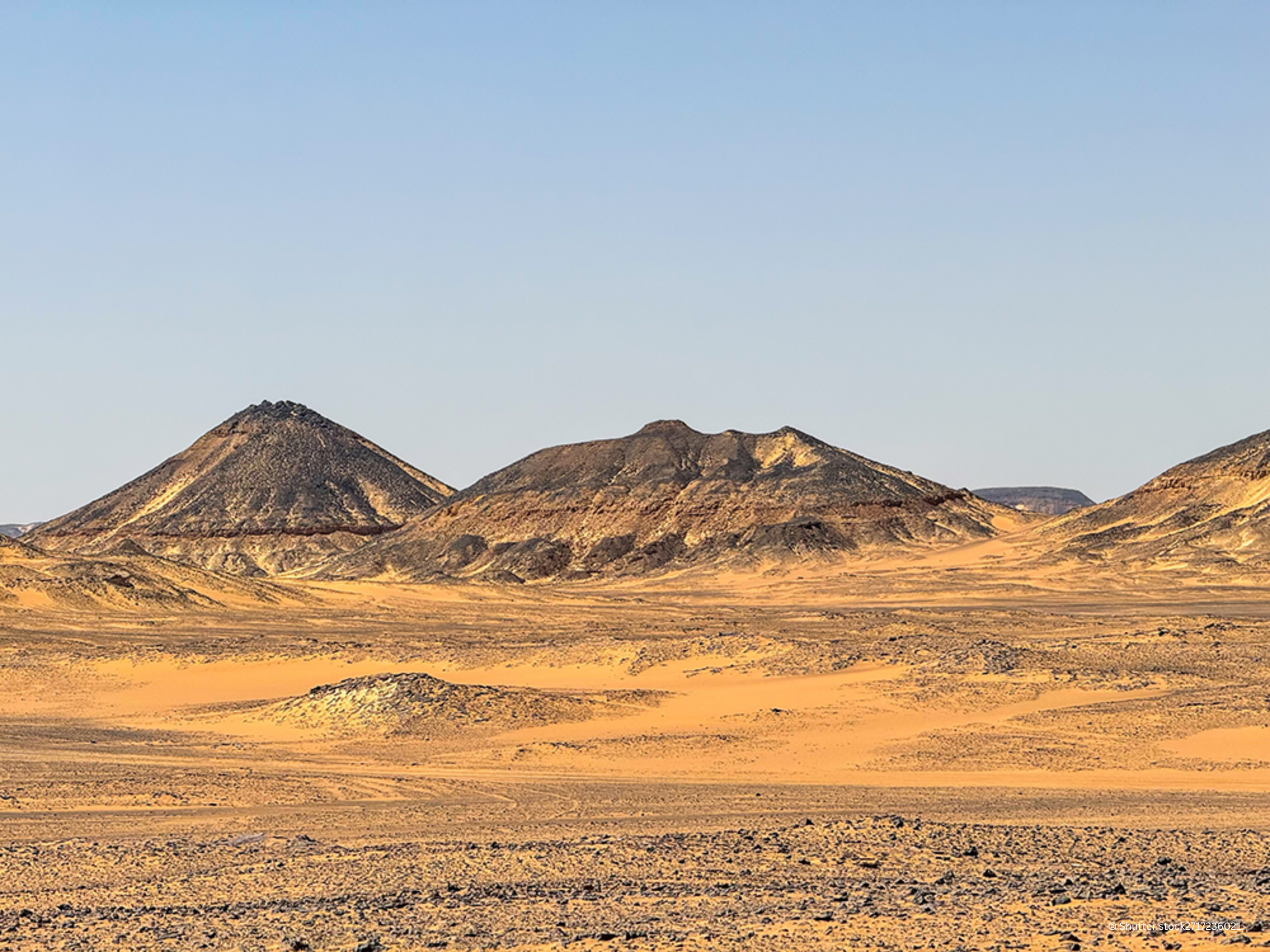
The Black Desert is more grounded. Dark hills, wide horizons, a sense of raw space.
Geographically and experientially, they belong together. Moving through both creates a natural flow rather than a contrast.
The Day Everything Changes
And then, there is the day of the eclipse.
At first, nothing feels different. The desert looks as it always does.
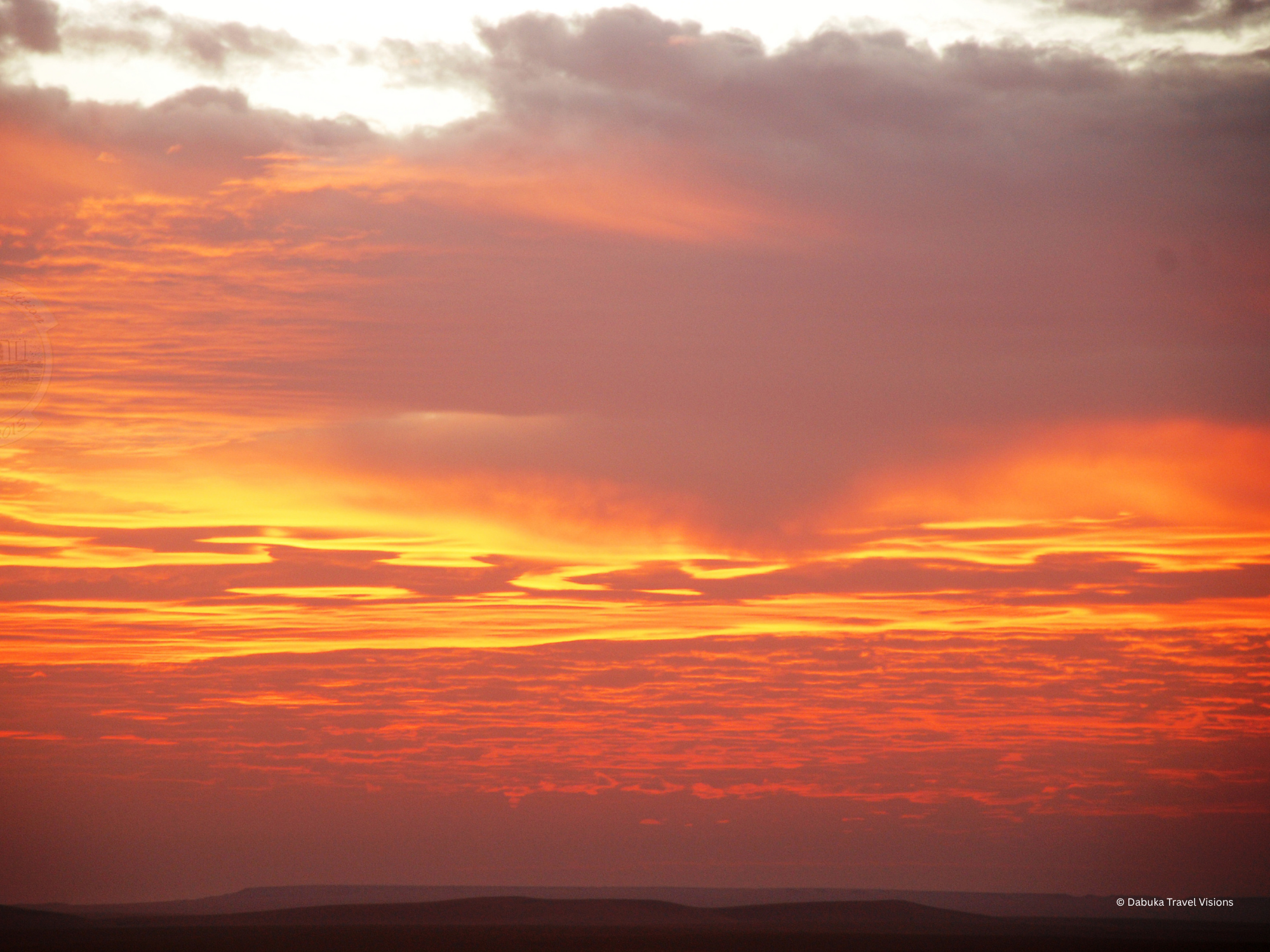
Then the light begins to shift. Slowly, almost unnoticed.
The temperature drops. The silence deepens.
And for a brief moment, the sun disappears.
In the desert, this is not a spectacle.
It is something you experience physically.
Traveling in Summer — and Why It Works
Yes, this journey takes place in summer. And yes, it will be hot.
But desert travel follows its own rhythm. Early mornings, slower afternoons, movement when the light softens.
Shade, air-conditioned vehicles, and rest periods are part of the structure.
For many travelers, this becomes part of the experience rather than a limitation.
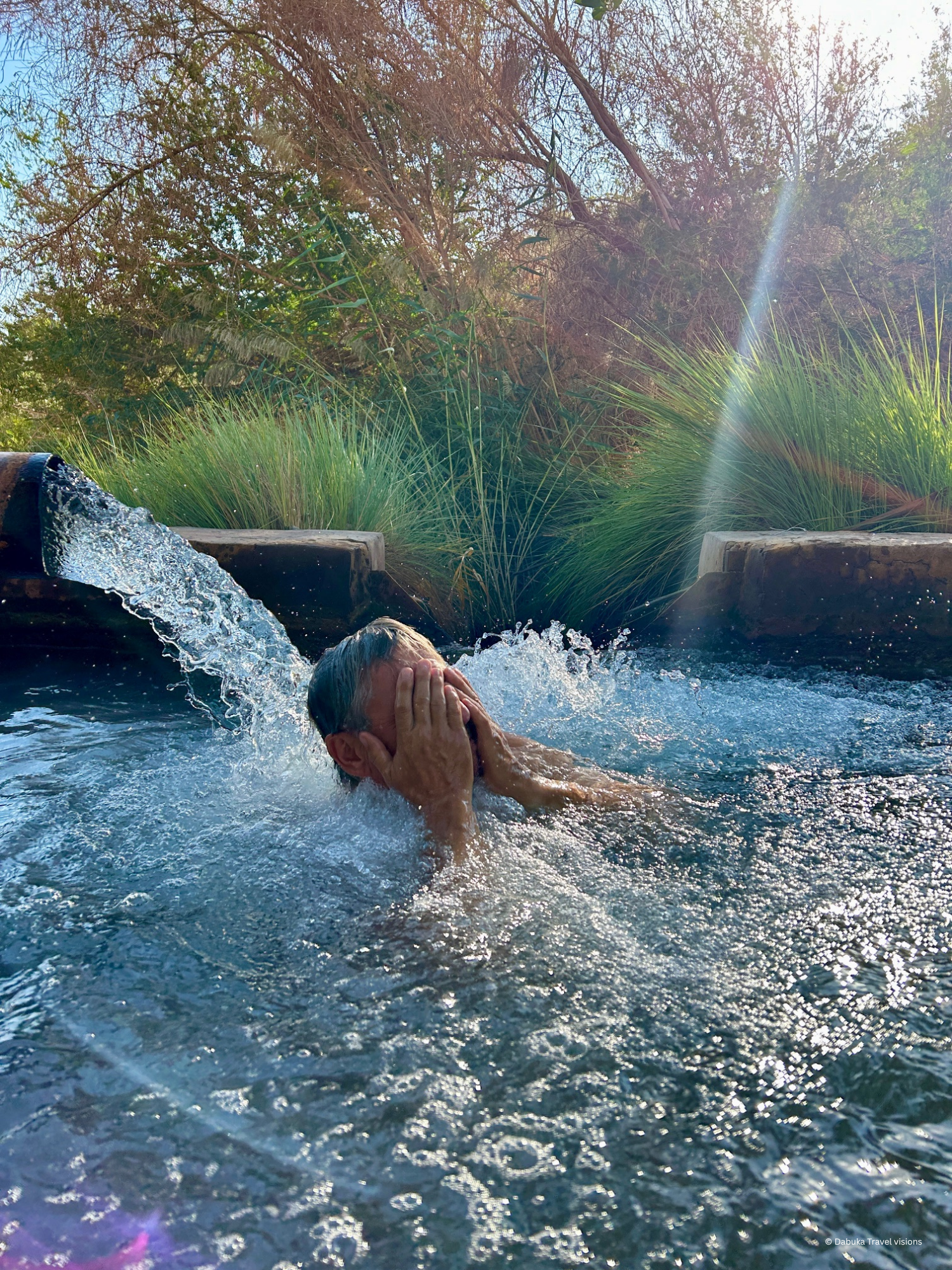
Why This Place — and This Exact Route
A total solar eclipse can be seen from different places.
What makes this journey specific is the combination of landscapes. White Desert and Black Desert are not separate destinations—they form one connected region.
For this particular tour, the viewing location is set in the Black Desert. It offers wide horizons and a slightly different atmosphere.
Our alternative desert eclipse journey focuses on the White Desert only. Both routes are carefully chosen, but they create different visual and spatial experiences.
This itinerary is about experiencing the full spectrum of the Western Desert—and placing the eclipse within that wider landscape.

Practical Notes for the Journey
Daily life during the trip is straightforward. Meals are freshly prepared and combine local and simple international dishes.
Water is available throughout the journey, including during excursions.
The route and pacing are designed so that even first-time desert travelers feel comfortable.
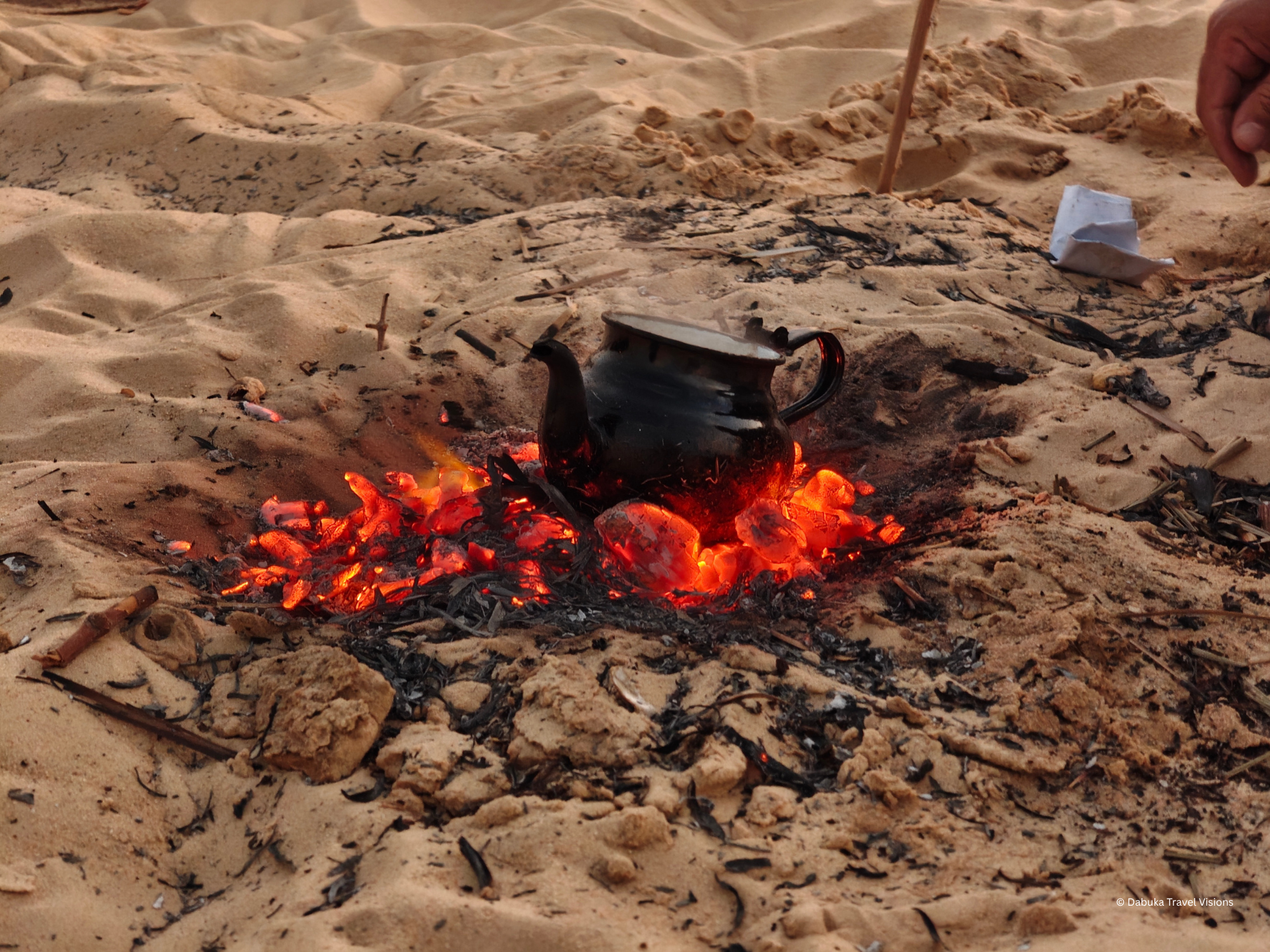
What to Bring
Packing does not need to be complicated, but a few things make a real difference.
Light clothing that protects from the sun. Good shoes for walking. Sunglasses, sunscreen, and something to cover your head.
Evenings can be cooler, so a light layer is useful. Personal items, medication, wet wipes and maybe eye drops and a power bank are recommended.
And one thing is essential: proper solar eclipse glasses.

At the End of the Journey
What stays after a journey like this is often difficult to describe.
It is not just the images—the white formations, the dark hills, the moment the sky turned.
It is the feeling of space. Of time slowing down.
And of having experienced something rare in a place that amplifies it.