2027 Solar Eclipse Egypt: Making Sense of All Your Options
2027 Solar Eclipse Egypt: Making Sense of All Your Options
I want to see the solar eclipse in Egypt in 2027.
But the moment you start planning it, the simple idea turns into something else entirely.
Too many locations. Too many opinions. Too many “best places”.
Luxor, Assiut, desert camps, hotel rooftops — all inside the same eclipse path, all described as if they were fundamentally different experiences.
And suddenly the real question is no longer where to go.
It is how to make sense of all of it.
What the 2027 solar eclipse in Egypt actually is
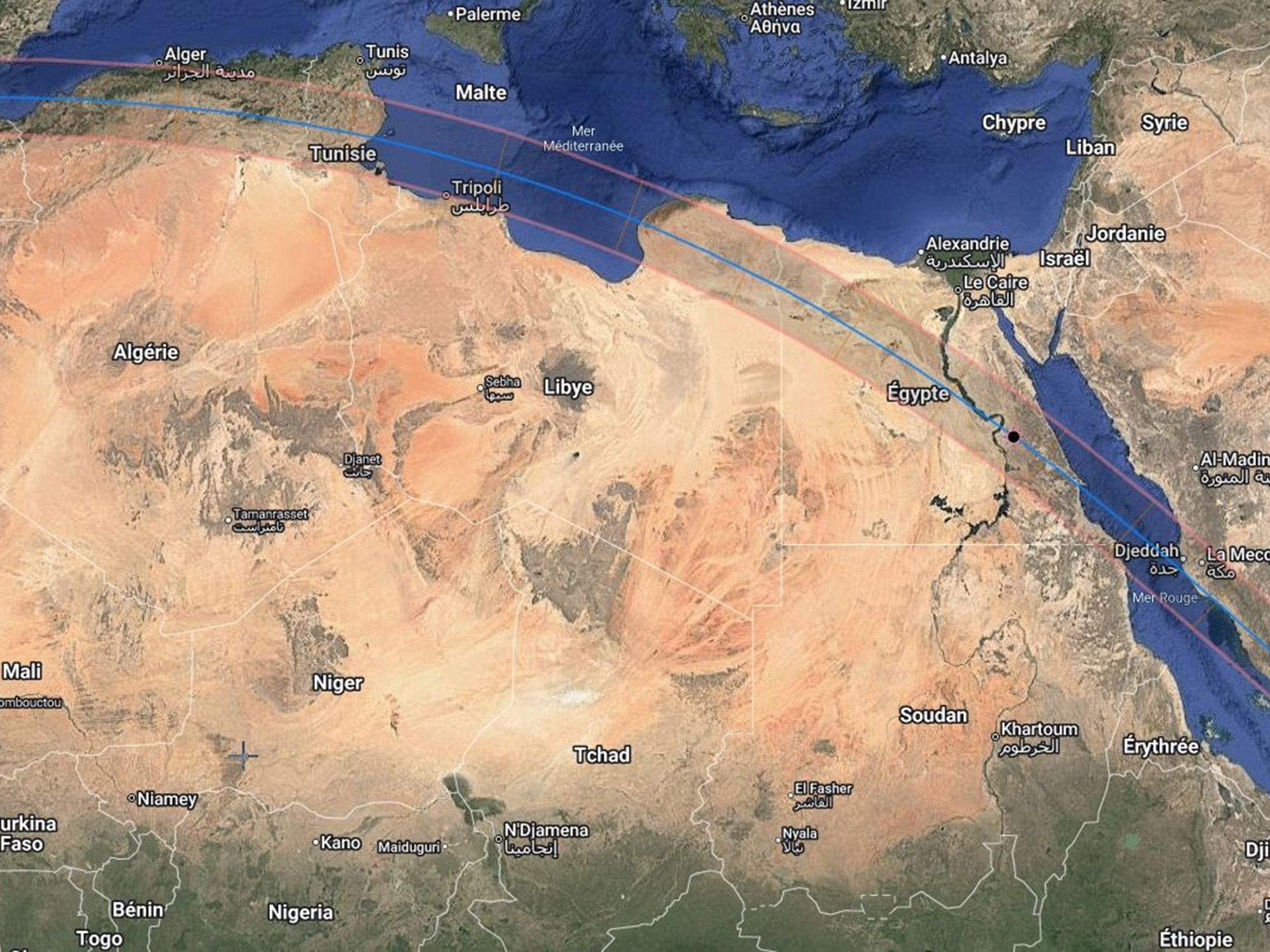
On 2 August 2027, a total solar eclipse will cross Egypt.
For a short period of time, the Moon moves directly in front of the Sun and completely covers it. This phase is called totality — daylight disappears, the sky darkens, and the solar corona becomes visible.
Inside Egypt, totality lasts more than six minutes in many parts of the path, making it one of the longest total solar eclipses visible on land in this century.
But the event is not defined by its total duration.
It is defined by a very specific moment inside it.
The eclipse unfolds in stages:
First, the partial eclipse begins in the late morning. The Sun slowly starts to disappear, but everything still feels normal.
Then, at a precise moment, totality begins.
Everything changes at once.
A few minutes later, it is over.
The full eclipse lasts around 2 hours and 46 minutes, but only the short phase of totality is the reason people travel.
Why choosing a location is not really about “different experiences”
Once people understand what the eclipse actually is, they often assume the next step is to compare locations.
But that is not what is really happening.
Inside the path of totality, you are not looking at different versions of the eclipse.
You are looking at the same event — experienced under different conditions on the ground.
Luxor, the Nile Valley, and other regions inside the corridor are not fundamentally different eclipse experiences.
They are different ways of organising access to the same moment.
And that distinction is where most confusion starts.
What actually changes between different options
If the eclipse itself is the same inside the path of totality, then the differences are not astronomical.
They are practical.
- The structure of the viewing site
- Some setups are based in fixed hotels or structured camps. Others are in open landscapes with more flexible arrangements.
- The density of the experience
- Some locations bring many travellers into one single point. Others are designed to create more space and separation.
- The way you reach the location
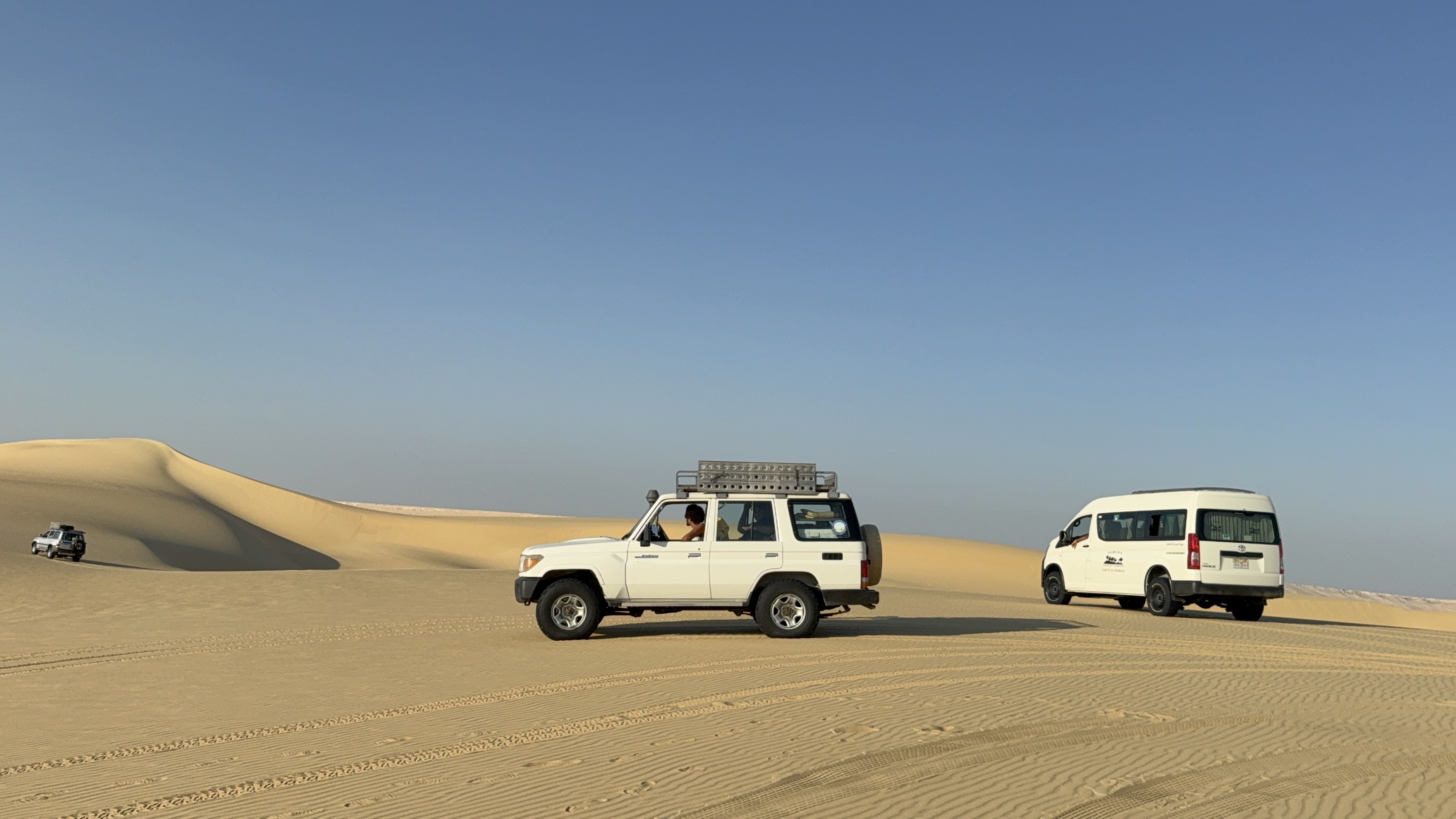
This is often underestimated. Whether you transfer directly to one viewing point or travel through different environments before arriving changes the rhythm of the entire experience.
None of these factors change the eclipse itself.
But they strongly influence everything around it — before and after totality.
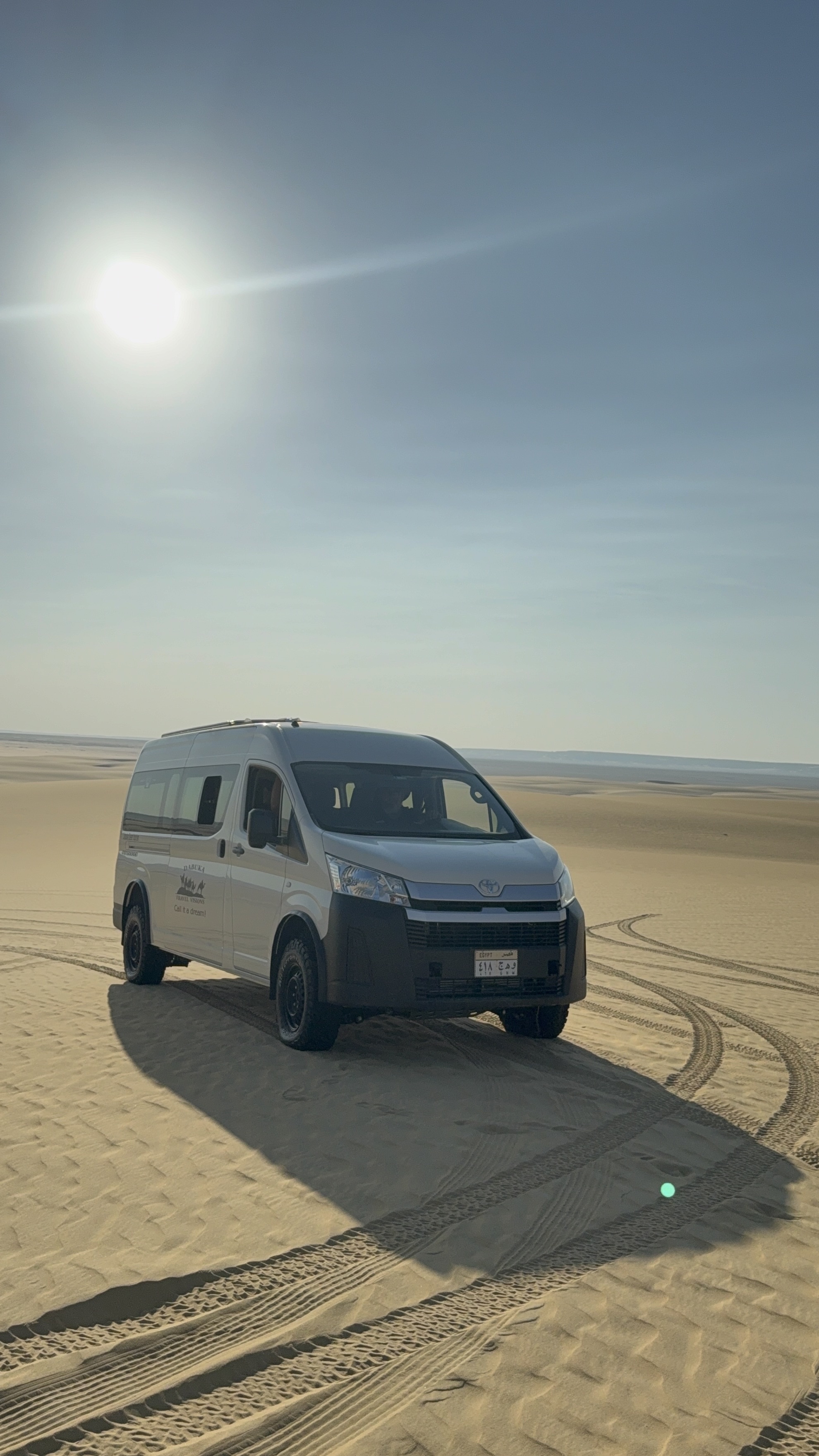
The eclipse moment near Upper Egypt
In the Nile Valley near Assiut, the eclipse follows a precise sequence:
Partial eclipse begins: 11:35
Totality begins: 12:56
Maximum eclipse: 12:59
Totality ends: 13:02
For just over six minutes, the Sun disappears completely.
Daylight collapses into an unnatural twilight. The temperature drops. The solar corona becomes visible around the dark disk.
And then it ends.
The full eclipse lasts around 2 hours and 46 minutes, but only the phase of totality defines the experience.
Why the experience is more intense than expected
One of the most surprising things about a total solar eclipse is how short the defining moment actually is.
Everything builds slowly over more than an hour of partial eclipse.
But totality itself is brief, concentrated, and irreversible.
This is why preparation matters — not in the sense of optimising the eclipse, but in shaping the conditions around it.
Where you are standing, how you arrived there, and what surrounds you all influence how those minutes feel.
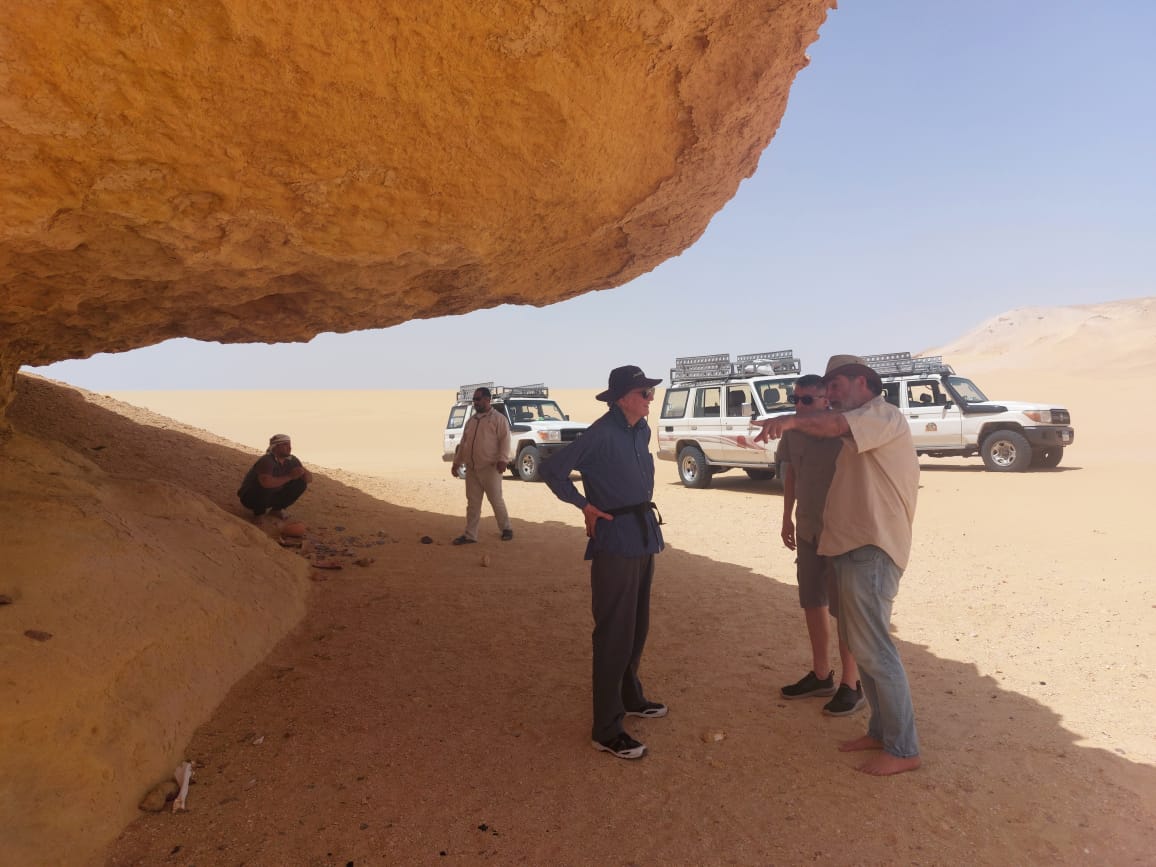
Egypt in Totality – what the journey actually describes
“Egypt in Totality” is not a poetic label for the eclipse.
It is a way of describing what happens before the eclipse even begins.
Because most people do not arrive directly at a viewing point in Upper Egypt.
They move through different parts of the country first.
From the Mediterranean coast
through the Western Desert
into oasis regions
and finally into the Nile Valley
These are not separate experiences. They are stages of arrival.
And this matters, because the eclipse itself is extremely short.
Everything around it — the travel, the positioning, the environment — becomes part of how that moment is experienced.
So “Egypt in Totality” is not a description of the sky.
It is a description of the path you take before you look at it.
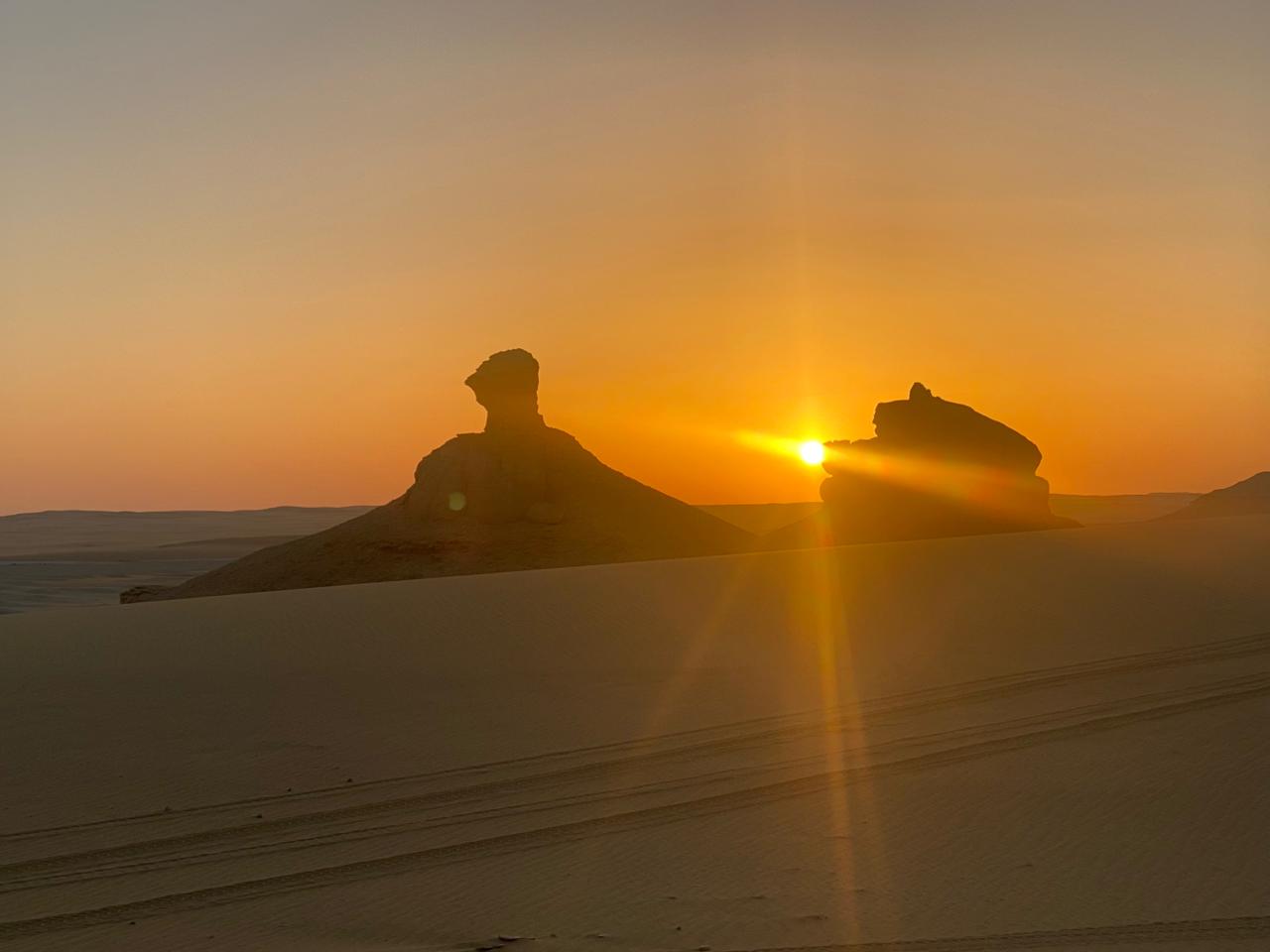
How people actually make their decision
Of course, people want to choose the “best place”.
And that is completely understandable.
When you travel once in a lifetime for a rare astronomical event, you want certainty. Good conditions. Enough duration. A setup that feels well organised.
But “the best place” is not a fixed answer.
It depends on a combination of factors:
position inside the path of totality
viewing environment and setup
logistics and comfort
and the overall structure of the experience
Luxor offers very strong eclipse duration and is often highlighted because of its central position.
Other areas along the Nile Valley, including regions further north such as around Assiut, also lie fully within totality and offer comparable viewing conditions, with different logistical setups.
So yes — comparison is normal.
The question is not whether people should compare.
The question is what they should compare.
This is why the decision is not only about location — but about how confident you feel in the structure around that location.
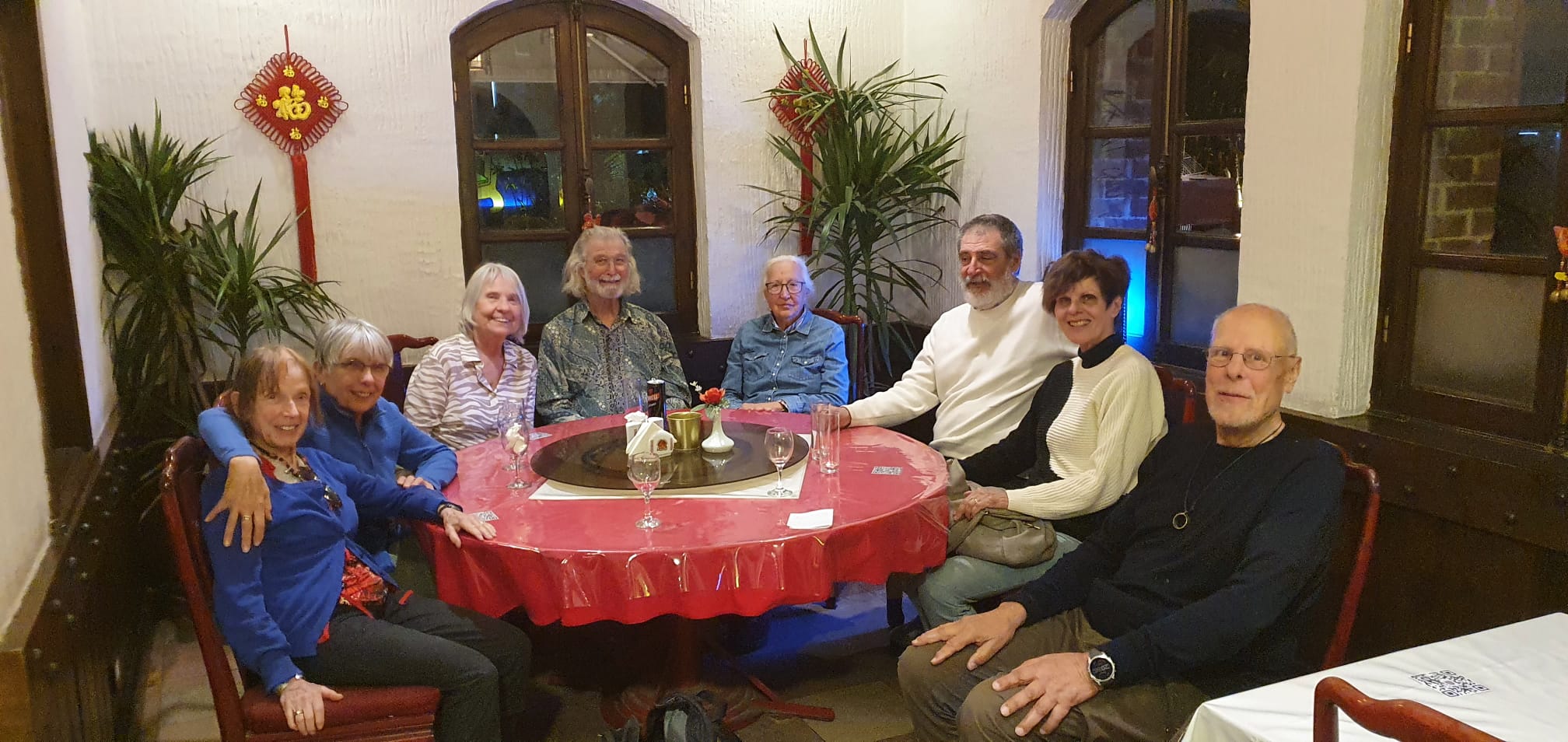
What actually matters when choosing
Once location names become less important, the real questions are much more practical:
How long are the transfers to the viewing site?
Is there shade, water, and basic comfort during waiting time?
How is the group size managed?
What happens before and after totality?
Is there flexibility for additional travel around the eclipse?
These details are not secondary.
They determine whether the experience feels controlled or stressful.
Because for most travellers, this is not a casual excursion.
It is a long-planned, high-expectation journey toward a very precise moment in time.
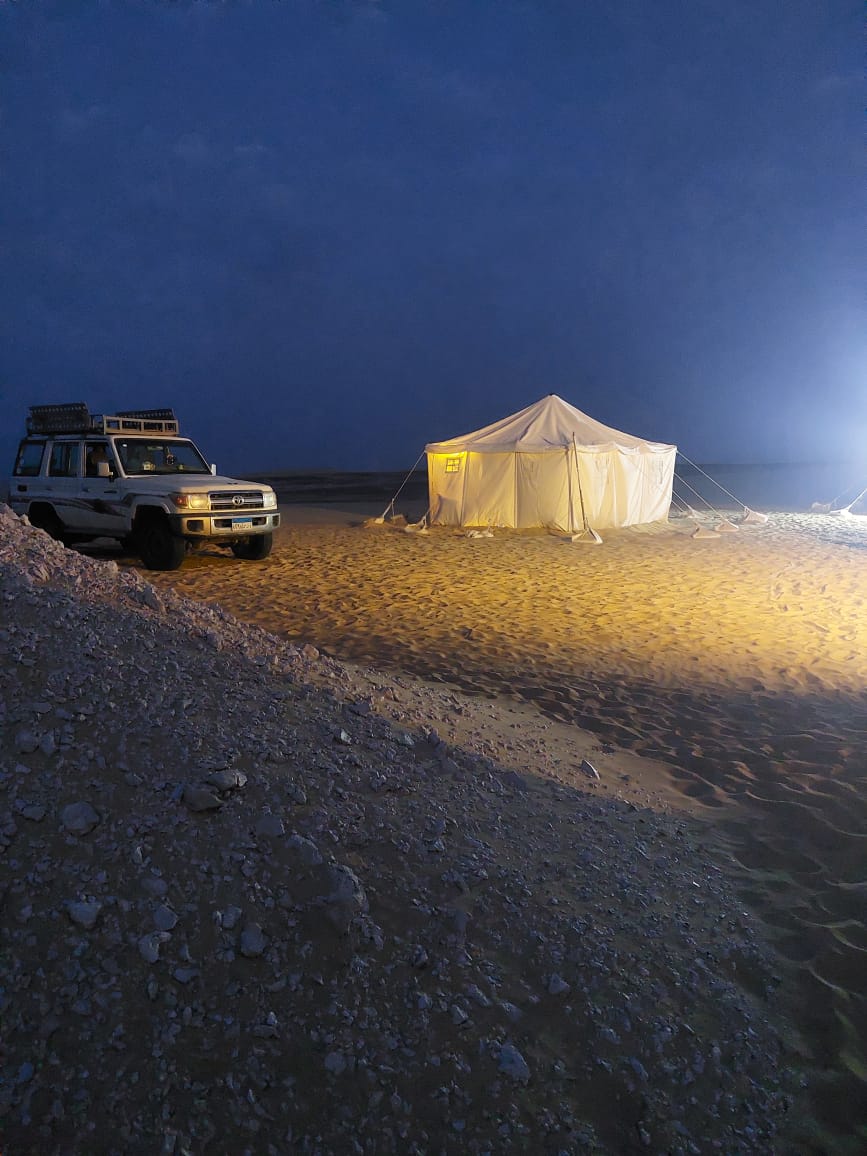
Trust is part of the experience
There is another factor that often becomes more important than expected: trust.
People invest significant time, money, and emotional expectation into this journey. For many, it is a once-in-a-lifetime experience.
That creates natural questions:
Is there enough water on site?
Is there shade during waiting time?
How is the day actually organised?
What happens if conditions change?
These are not small details.
They directly shape how relaxed or tense the experience feels on the day.
Even the best location cannot compensate for unclear organisation.
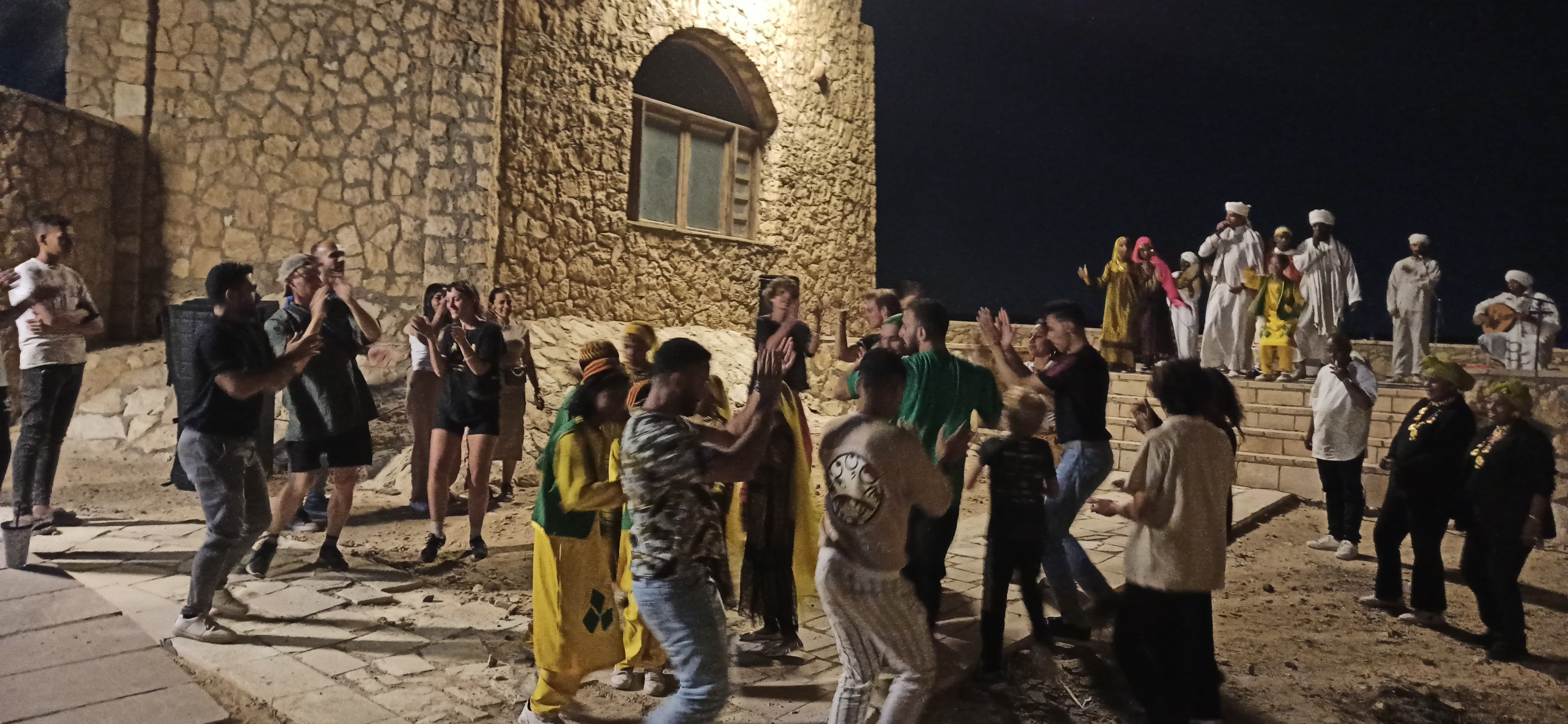
Final perspective: what “best place” really means
So the idea of a “best place” is not wrong — but it is incomplete on its own.
The real decision is a combination of:
astronomical positioning inside the path of totality
practical conditions on the ground
and confidence in the organisation behind it
Because the eclipse itself is fixed.
But the experience around it is not.
And that is where the real difference lies — not in the name of the place, but in how safely and clearly you are guided into that moment.