The Sky Is Changing: What It Means for Eclipses, Stargazing and Space Access
Who Owns the Sky?
While preparing for the upcoming solar eclipse, we came across a recent article by the European Southern Observatory (ESO). It raised a question that goes far beyond astronomy itself, and which we want to reflect on here in our own context.
It’s not just about what we see in the sky during rare events like an eclipse.
It’s about whether the sky we are looking at is still the same sky.
Or more precisely: who is shaping it.

The Sky Is No Longer Empty Space
For most of human history, the sky appeared constant. The stars, the darkness, the movement of celestial bodies — all of it felt stable, untouched, and shared.
That perception is changing quickly.
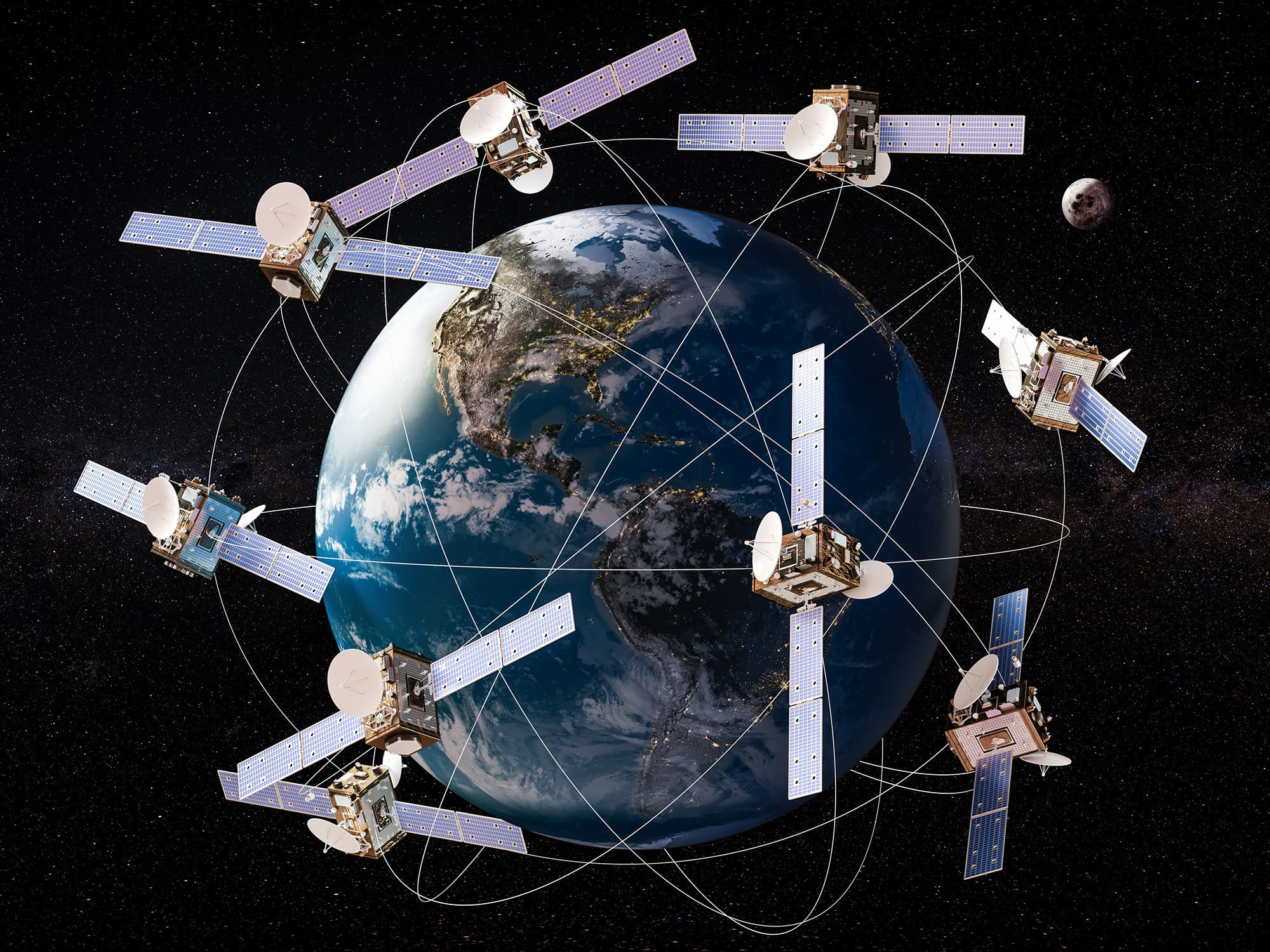
In low Earth orbit, the number of satellites has grown from a few thousand to many thousands within a very short time span, and continues to increase. This is often described as progress, and in many ways it is: global communication, navigation systems, internet access in remote regions — all of it depends on this infrastructure.
But the consequence is not abstract. It is visible in the work of astronomers, where satellite trails increasingly interfere with observations, and in long-exposure images where the sky is no longer a clean field but a layered environment.
What used to be a silent background is becoming a populated system.
Progress Without Visibility
What makes this shift unusual is not only its scale, but its invisibility in everyday life.
Most people will never directly see a satellite constellation being deployed. They experience the result without the process.
From the ground, the sky still looks “natural” at first glance. But that perception is gradually becoming outdated. The more infrastructure moves into orbit, the more the night sky changes in ways that are subtle but cumulative.
This creates a gap between perception and reality:
we believe we are looking at something unchanged, while in fact it is continuously being redefined.
The Question of Control
The important issue is not whether satellites should exist. They already do, and they are deeply integrated into modern systems.
The question is rather whether their expansion is guided by a shared long-term perspective — or primarily by competition, speed, and commercial advantage.
Because unlike infrastructure on Earth, space infrastructure develops in an environment where regulation is still evolving and unevenly applied. Decisions made by relatively few actors can have global visual consequences.
And this leads to a more uncomfortable thought:
the sky is shared, but not coordinated.
Why This Becomes Visible During an Eclipse
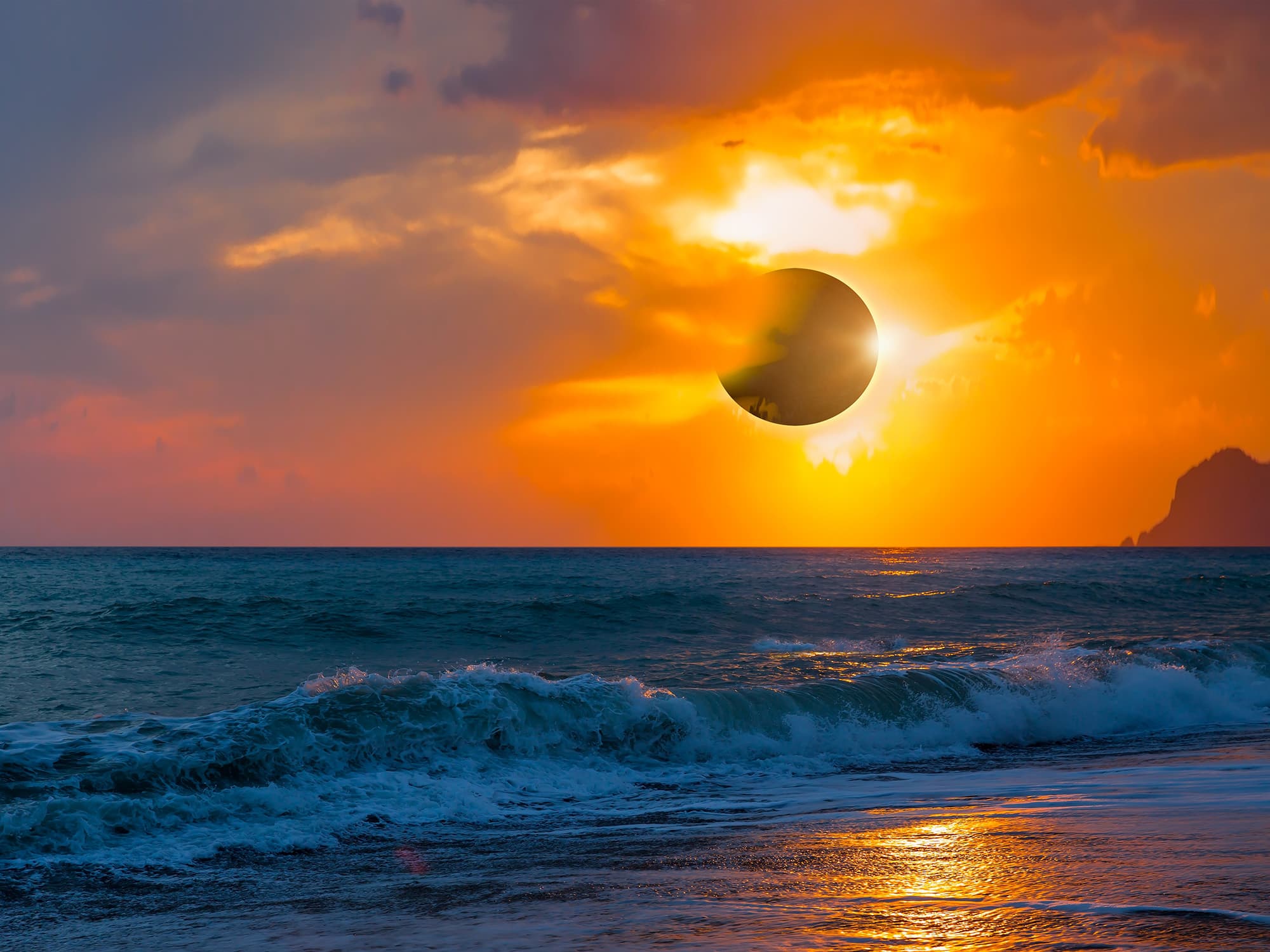
A solar eclipse is one of the rare moments where attention shifts upward in a collective way. It interrupts normal perception. It compresses time. It makes the sky an active subject rather than background.
But it also highlights something else: context matters more than we usually assume.
Where you are standing determines what you experience — not just in terms of visibility, but in terms of clarity, darkness, atmosphere, and interruption.
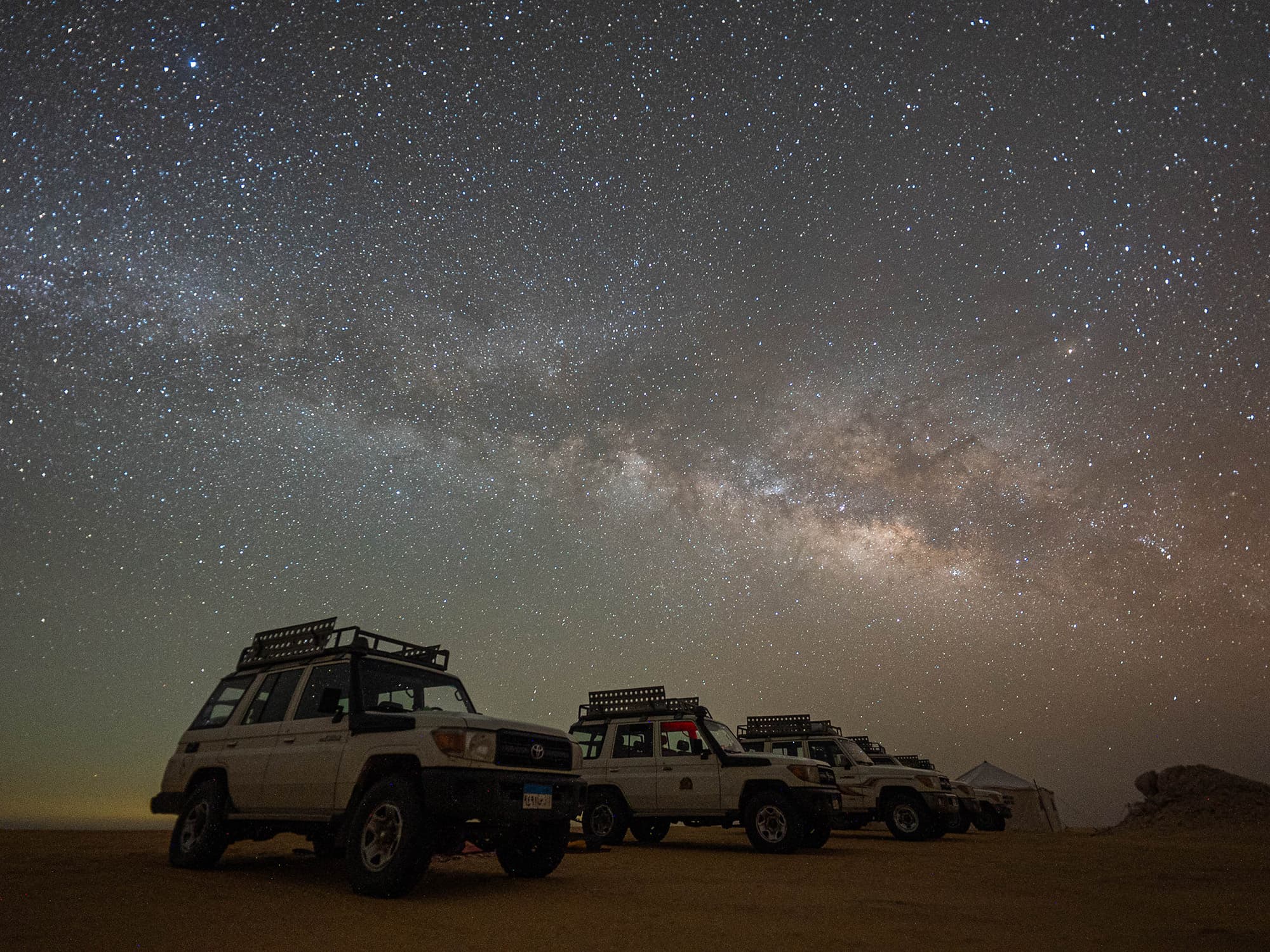
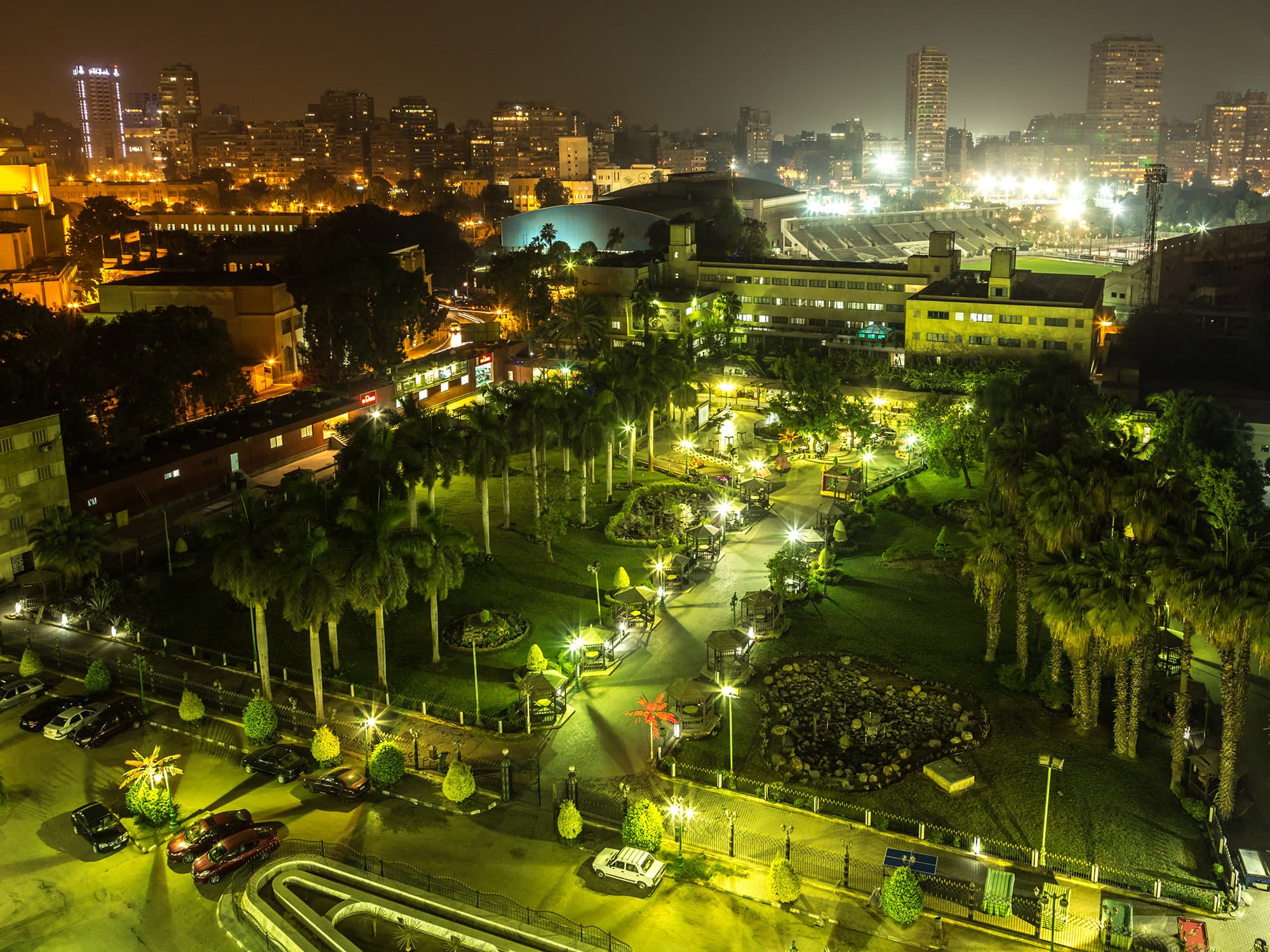
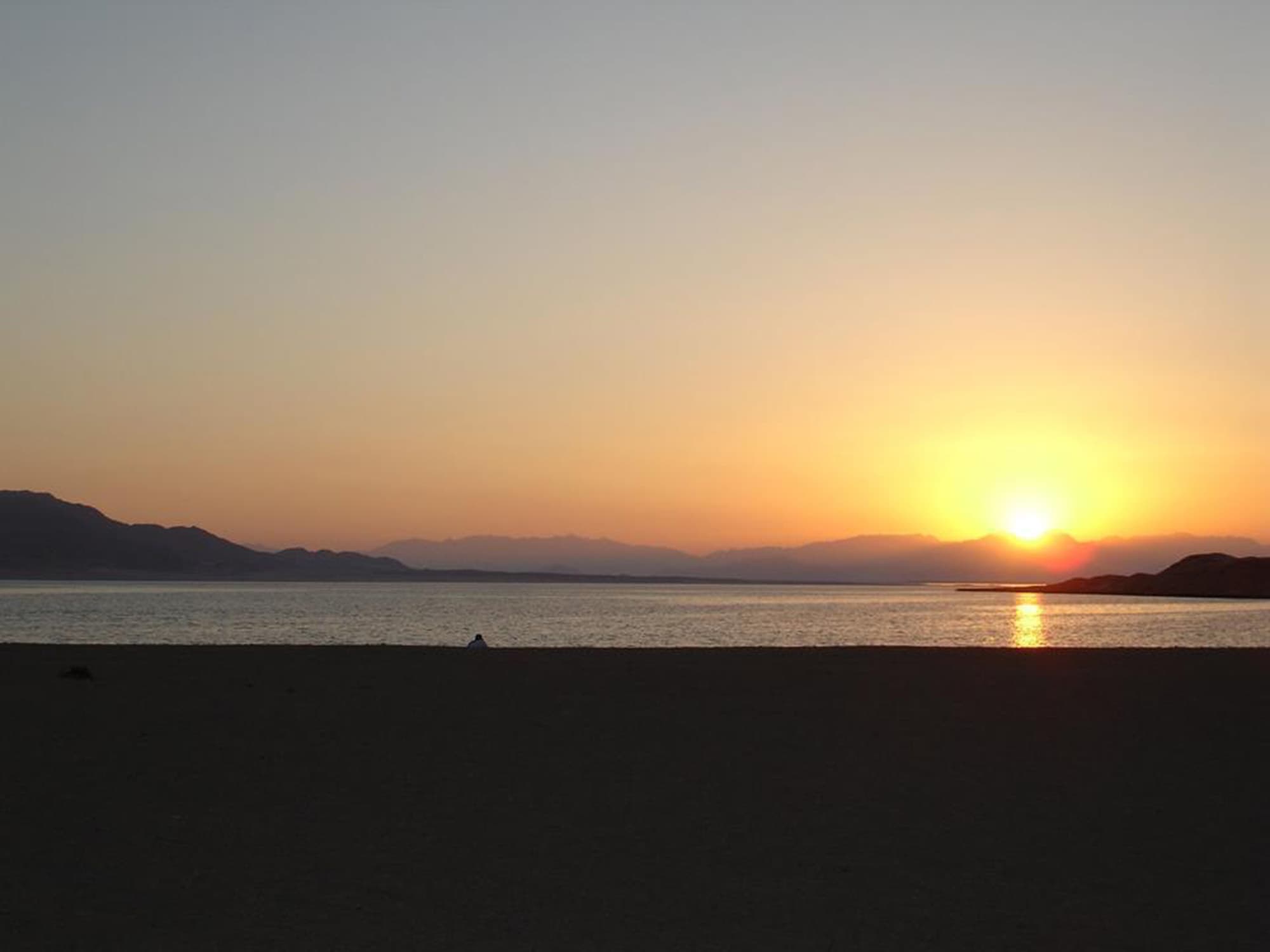
In open environments such as deserts or remote landscapes, the sky still appears wide, uninterrupted, and spatially dominant. In more urban or saturated environments, the experience is already different — not necessarily worse, but more mediated.
The same event produces different realities depending on location.
A Shared Space With Unequal Influence
In principle, outer space is considered a common domain of humanity. No single actor owns it.
In practice, however, it is shaped by a relatively small number of institutions and companies with the capability to deploy infrastructure at scale. Regulatory frameworks exist, but they are fragmented, national, and often slower than technological development.
This creates a structural imbalance:
a shared space that is influenced unevenly.
And while this is not immediately visible in daily life, it becomes more noticeable when we pay attention to phenomena that depend on clarity — like astronomy, long-distance visibility, or rare celestial events.
What This Actually Changes
The key point is not nostalgia for an untouched sky. That version of the world is gone.
The relevant shift is more practical: experience is becoming more dependent on external conditions that are no longer stable.
That includes light pollution, atmospheric clarity, and increasingly orbital density.
In other words, what you see when you look up is becoming less universal.
And that changes how we plan, where we go, and what we expect from rare natural events.
Looking Up Is No Longer Passive
A solar eclipse is still a natural event governed by predictable mechanics. It will happen regardless of human activity.
But the way we experience it is increasingly shaped by layers of human infrastructure — on the ground and in orbit.
Which brings us back to the original question in a more grounded form:
The sky is not owned by anyone.
But it is no longer untouched by everyone equally.
And that difference is becoming harder to ignore.