Egypt Solar Eclipse 2027: Beyond the Eclipse
From Cairo to Middle Egypt: Where the Journey Begins
Most journeys through Egypt begin in Cairo, and for good reason.
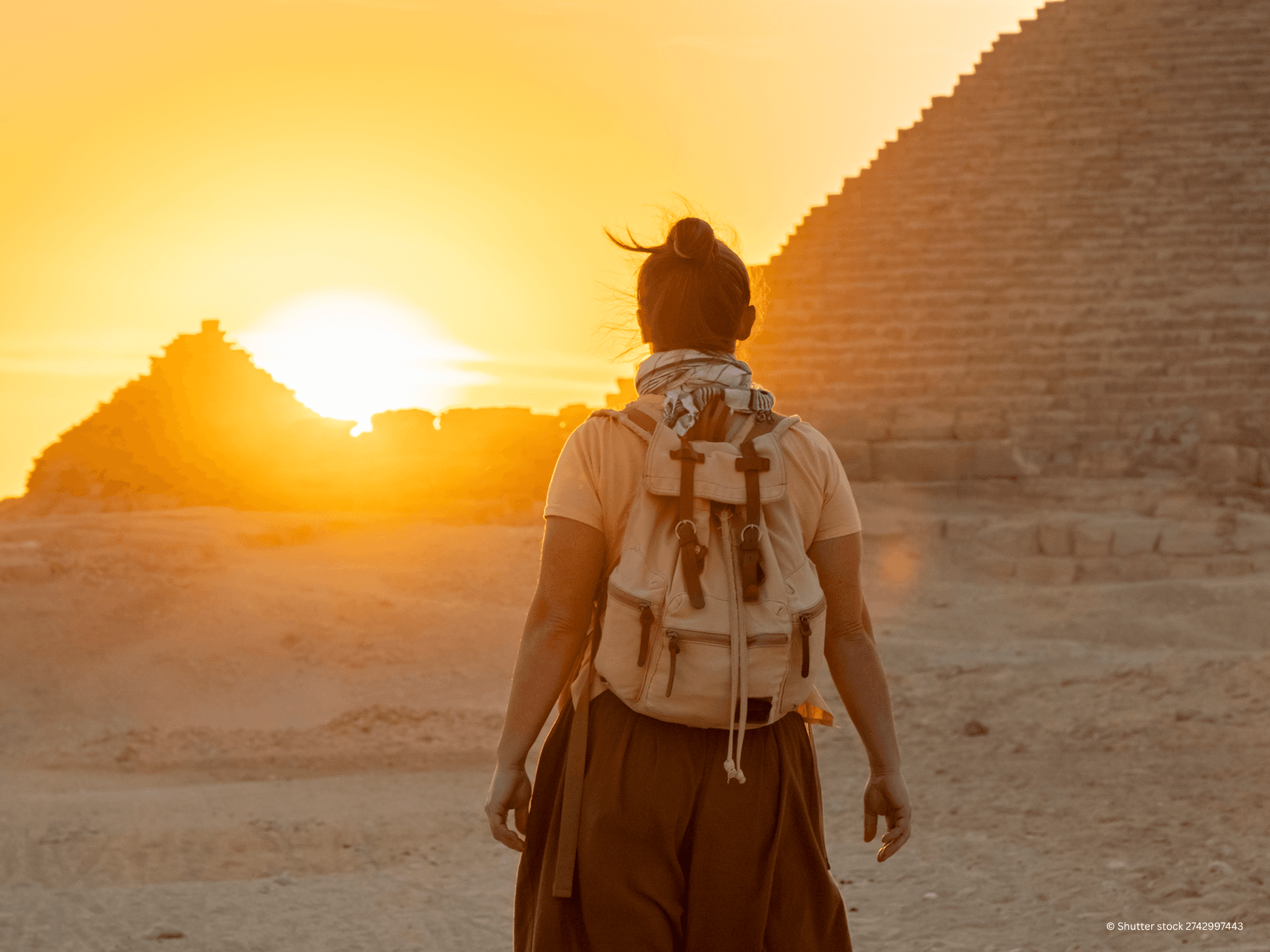
Standing in front of the Pyramids of Giza for the first time is not just a visual experience—it is a confrontation with scale and time. Nearby, the Grand Egyptian Museum adds context, opening a window into a civilization that continues to shape how we understand history.
But instead of following the usual route south directly to Luxor, the journey takes a different direction.
Middle Egypt.
This region is often overlooked, yet it offers some of the most authentic and least crowded sites in the country.
At Beni Hassan, tombs carved into limestone cliffs reveal detailed scenes of daily life—wrestling matches, craftsmanship, trade. These are not monumental narratives of kings, but human stories that feel unexpectedly immediate.
Further south, Tell el-Amarna introduces a completely different chapter of Egyptian history. Built by Pharaoh Akhenaten, this city once stood at the center of a radical religious transformation. Today, its remains offer a quiet, almost reflective atmosphere—far removed from the intensity of Egypt’s more famous sites.
Traveling through this region changes the pace of the journey. It becomes slower, more personal, more exploratory
Arriving in Abydos: A Place of Meaning
The road continues south until you reach Abydos.
Unlike other major sites, Abydos does not overwhelm with scale. Its power lies elsewhere—in meaning.
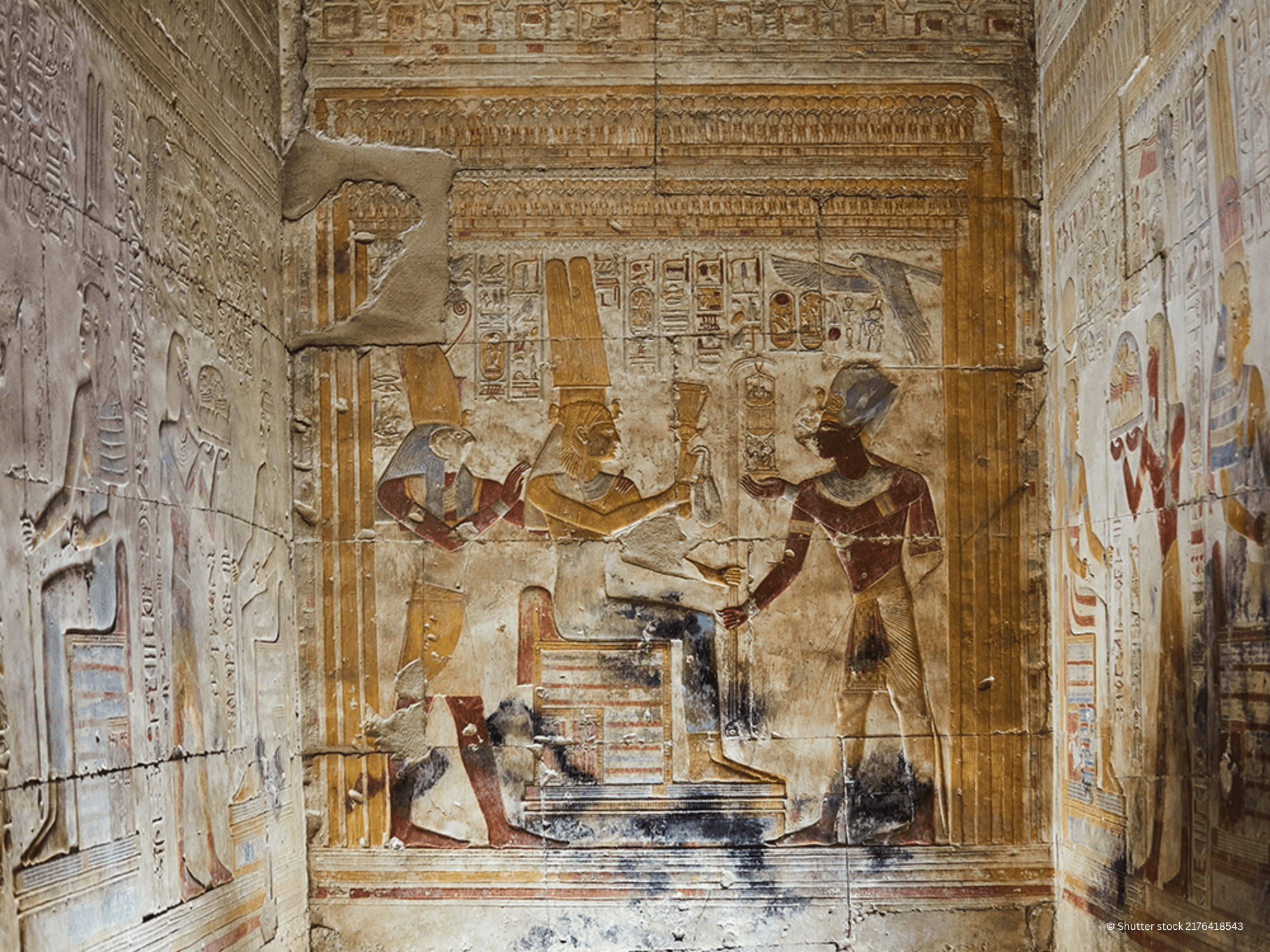
For ancient Egyptians, this was one of the most sacred places in the country, a center of pilgrimage dedicated to Osiris and the concept of the afterlife. The Temple of Seti I, with its remarkably preserved reliefs, reflects a worldview shaped by cycles: life and death, darkness and renewal.
It is here that the journey pauses.
Not just geographically, but emotionally.
Because this is where the eclipse 2027 will be experienced.
The Eclipse as Part of the Journey
By the time the day of the eclipse arrives, it no longer feels like an isolated event.
It is connected—to the places you have seen, the stories you have heard, and the landscapes you have crossed.
As the light begins to change, the atmosphere shifts almost imperceptibly at first. Then more clearly. Shadows sharpen. Colors fade.
And then, for a few minutes, the sun disappears.
Whether experienced in a temple landscape like Abydos, in the vast openness of the desert, or in the quiet remoteness of southern Egypt, this moment has a similar effect: everything else falls away.
There is no noise, no movement—just a sense of stillness.
Finally, slowly, the light returns.
Continuing South: Temples, Nile, and Ancient Thebes
After Abydos, the journey continues deeper into Upper Egypt.
At Dendera, one of Egypt’s best-preserved temples, ceilings filled with astronomical imagery remind you that the sky has always been part of this culture’s thinking.
Further south lies Luxor—ancient Thebes—where the scale of Egypt reaches its peak.
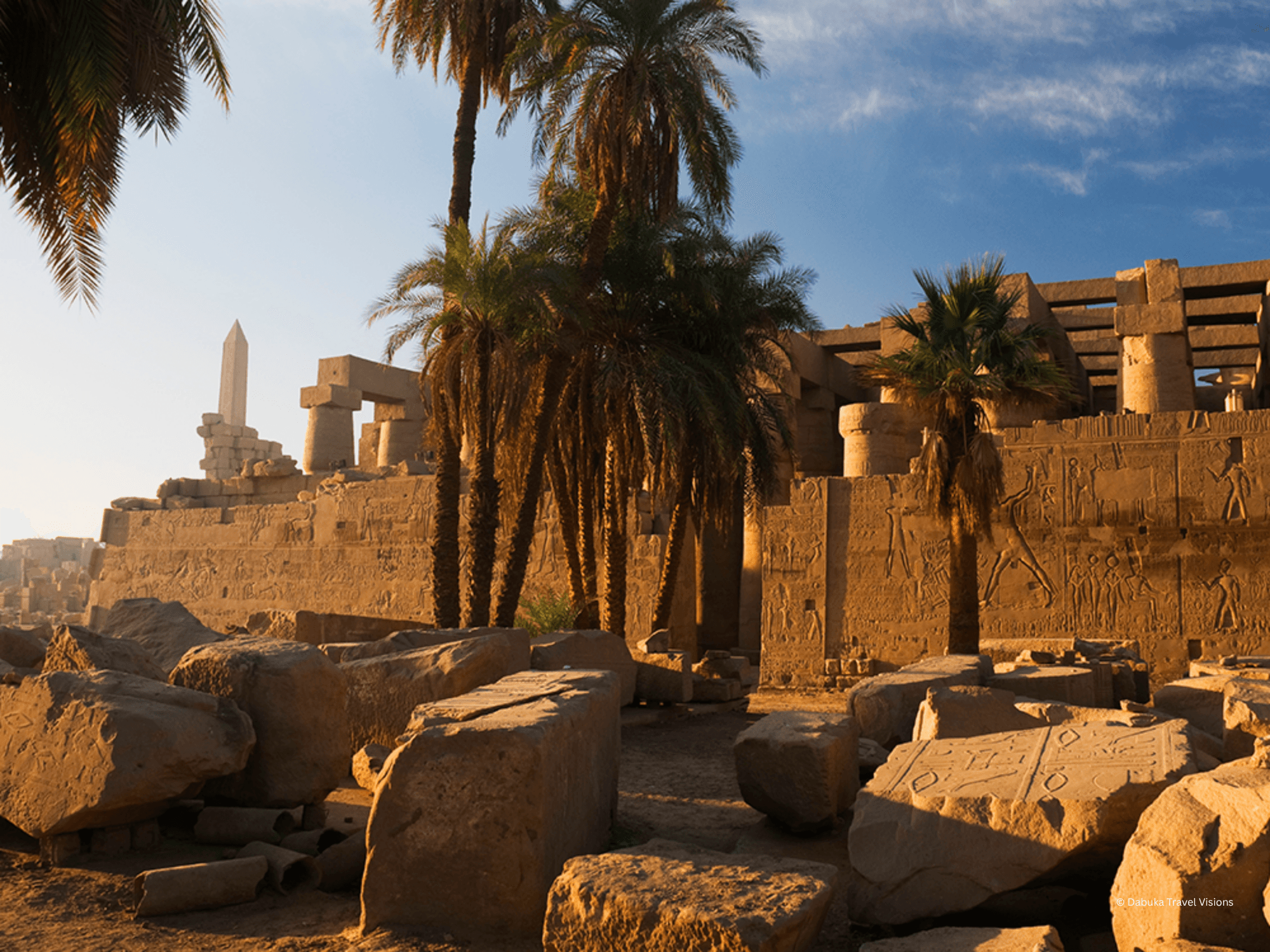
The temples of Karnak and Luxor speak of power, ritual, and monumental ambition. On the west bank, in the Valley of the Kings, tombs carved deep into the mountains reveal an entirely different world—one focused on the afterlife and the journey beyond.
Here, the contrast becomes clear: Egypt is not a single story, but many layers placed on top of each other.

Along the Nile: Edfu, Kom Ombo, and the Rhythm of Travel
Moving further south along the Nile, the journey takes on a different rhythm.
At Edfu, one of the best-preserved temples in Egypt, the scale and clarity of the structure create a sense of completeness—almost as if time has paused.
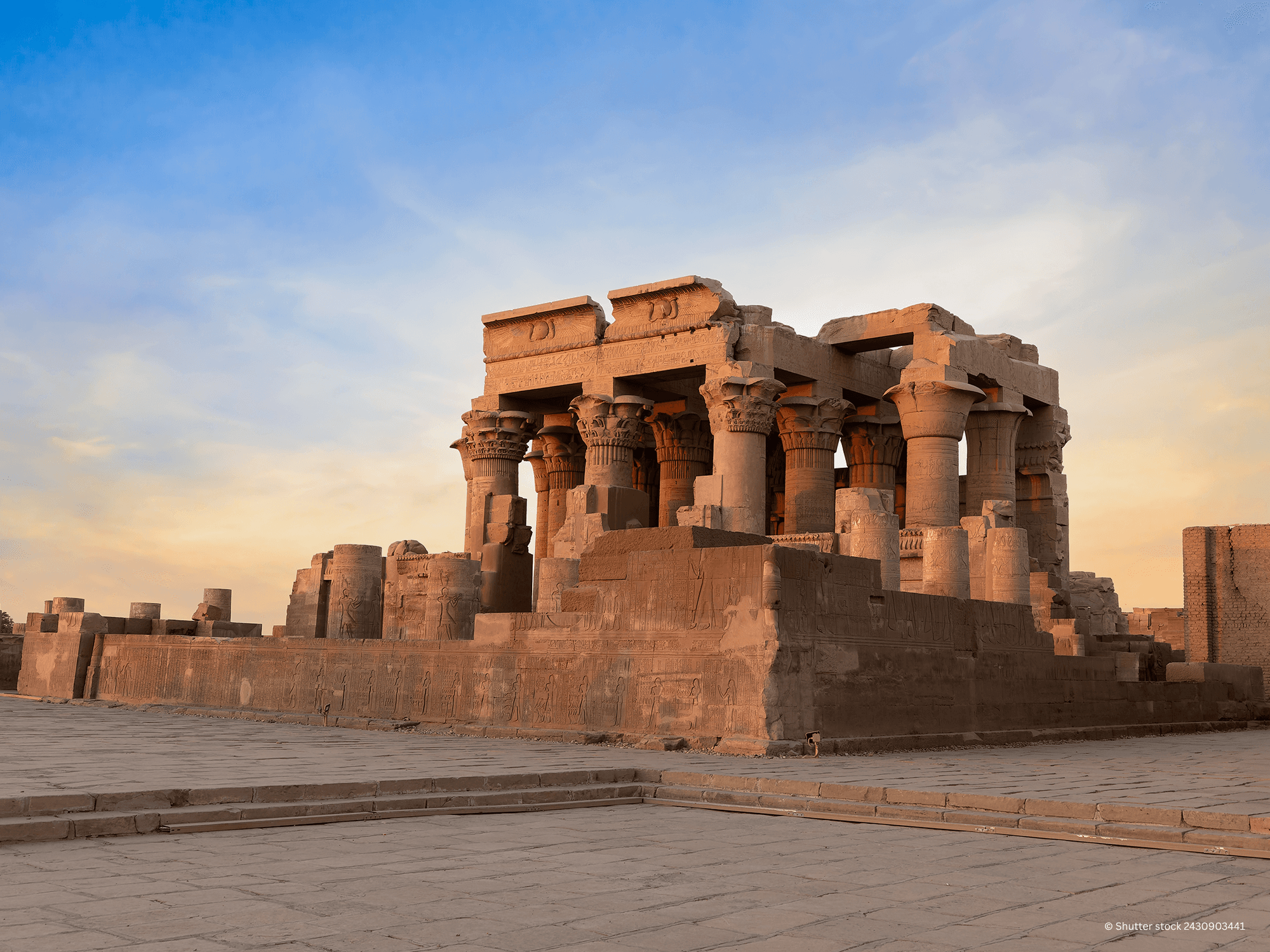
At Kom Ombo, the temple’s dual dedication to Sobek and Horus reflects a balance of forces—another reminder of how deeply symbolism is embedded in Egyptian architecture.
Traveling between these sites is part of the experience itself. The Nile is not just a backdrop—it is the thread that connects everything
Abu Simbel and the Southern Horizon
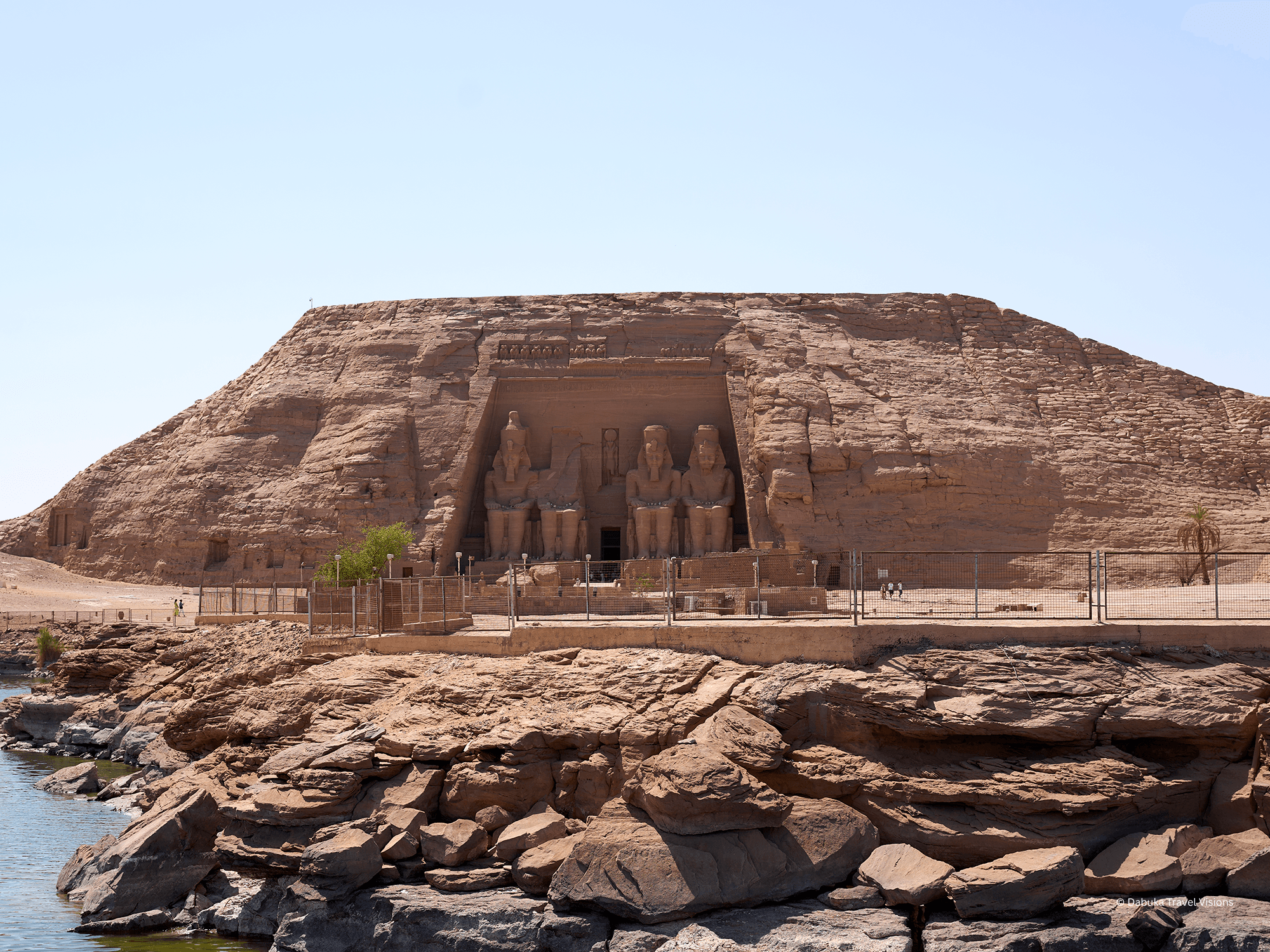
Further south, near the Sudanese border, lies Abu Simbel.
Carved into rock and later relocated to save it from the rising waters of Lake Nasser, the temples of Ramses II and Nefertari are among the most striking monuments in Egypt.
But beyond their scale, they represent something else: precision.
The alignment of the temple with the sun—illuminating its inner sanctuary on specific days of the year—shows a level of planning that connects architecture directly with the movement of the sky.
By this point in the journey, this connection feels familiar.
Lake Nasser: Space, Silence, and Reflection
After the intensity of monuments and history, the journey shifts again.
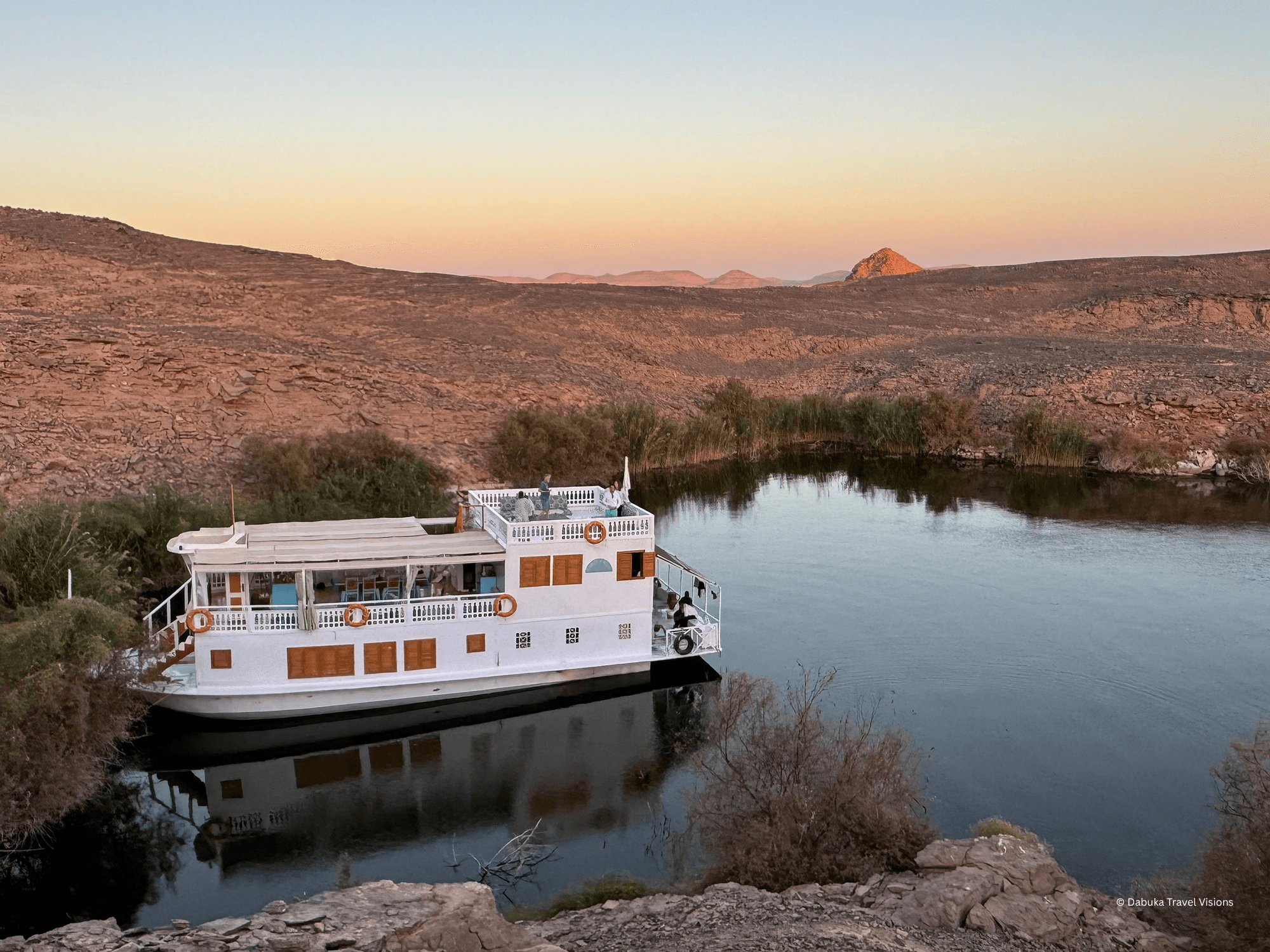
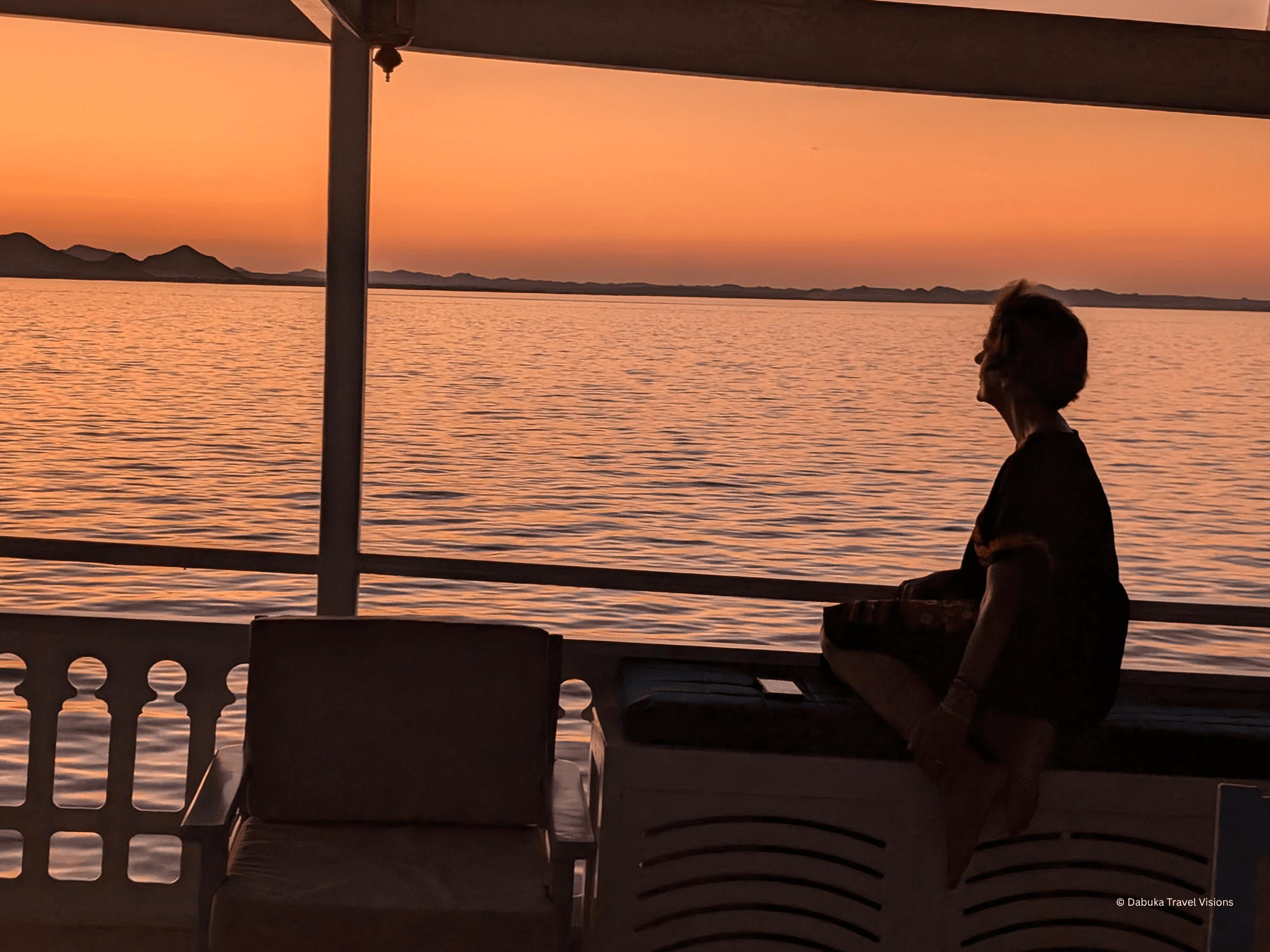
On Lake Nasser, the pace slows. The landscape opens. The noise disappears.
Traveling by small boat through this remote region creates a completely different experience of Egypt—one defined by space, light, and silence.
During the day, the horizon stretches endlessly. At night, the sky becomes the central element.
Far from artificial light, the stars appear with extraordinary clarity. The Milky Way becomes visible. The same sky that framed the eclipse now returns in a quieter, more constant way.
It is here that the journey settles.
More Than a Single Moment
The 2027 total solar eclipse is a rare event. But experienced in isolation, it remains just that—a moment.
What gives it depth is the journey around it.
Traveling from Cairo through Middle Egypt, into Upper Egypt, and further south into Nubia creates a context that transforms the experience. The eclipse becomes part of a larger narrative—one that connects landscape, history, and sky.
For first-time visitors, this kind of journey offers something essential: not just highlights, but understanding.
Egypt reveals itself gradually. And somewhere along the way—whether at the pyramids, in a quiet tomb, on the Nile, or under a darkened sky—you begin to see how everything fits together.
The eclipse may be the moment you remember most.
But it is the journey that gives it meaning.