Beyond Luxor: Egypt's 2027 Eclipse
Beyond Luxor: Egypt's 2027 Eclipse
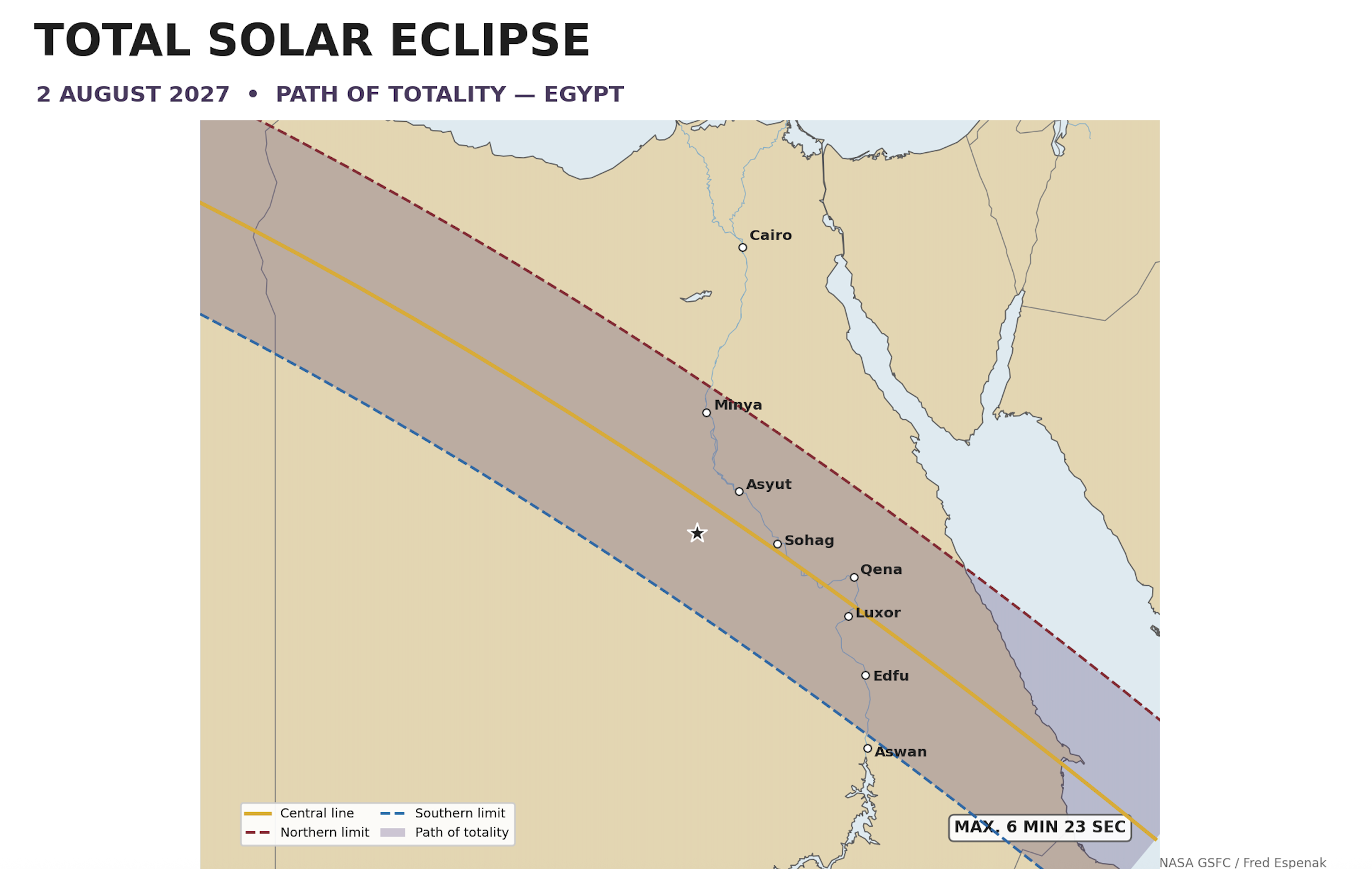
On 2 August 2027, the Moon will completely cover the Sun over Egypt — the sky will darken, temperatures may drop, and the solar corona will appear for more than 6 minutes and 20 seconds, one of the longest total solar eclipses of this century.
Everyone talks about Luxor. But is it really your first choice?
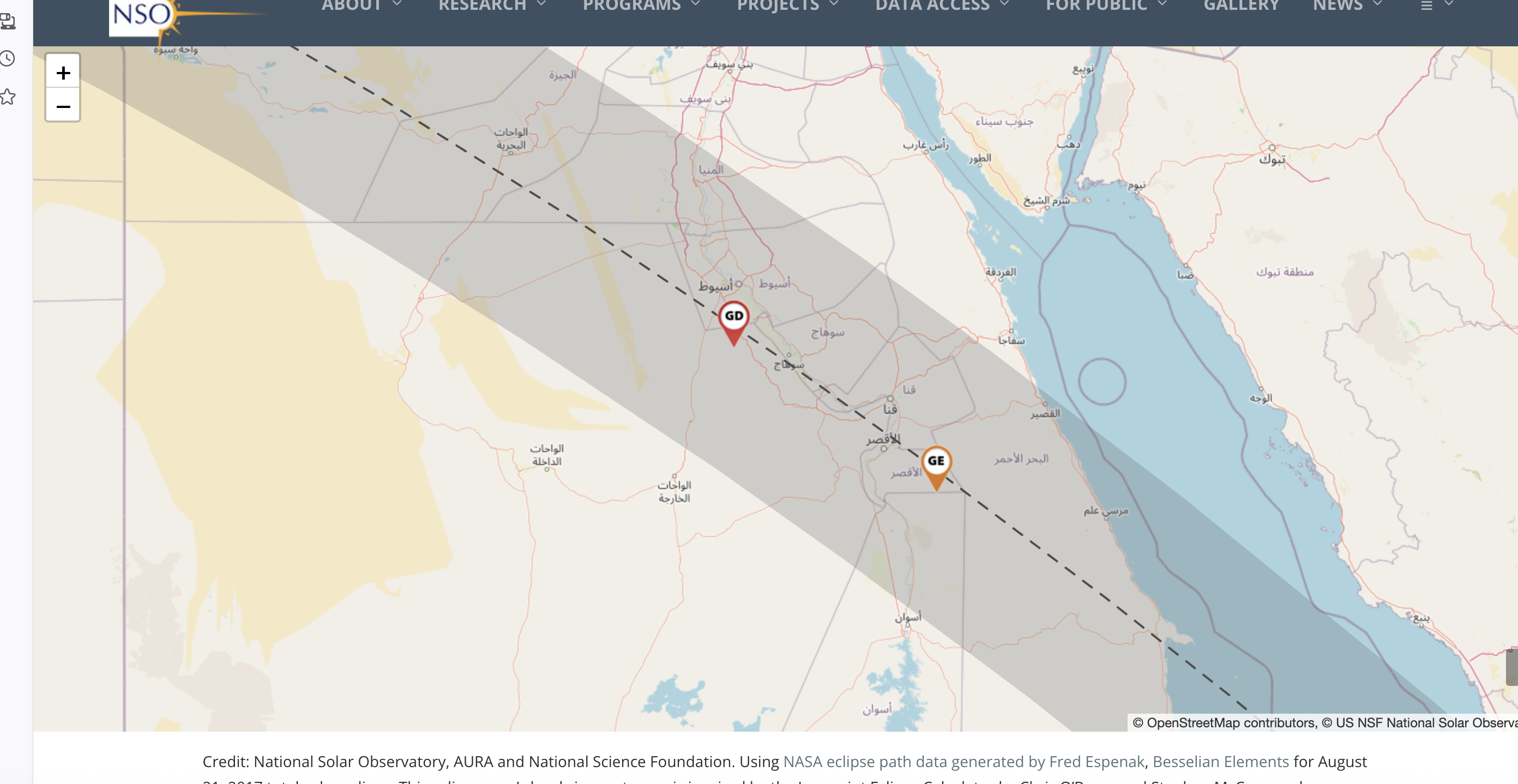
The path of totality crosses Egypt from the Western Desert and Siwa, through the Nile Valley and Luxor, to the Eastern Desert and the Red Sea — meaning you could watch totality from an oasis, a remote desert, an ancient temple, the Nile, a comfortable hotel, or even a traditional sailing boat.
There Is No Single "Best Place"
Being close to the centreline gives you the longest totality — NASA puts the theoretical maximum in Egypt at around 6 minutes 23 seconds, though it varies with the exact site.
So the real question isn't just where you'll get the longest eclipse, but how you want to experience it.
At Dabuka, we're developing eclipse experiences along the central line of totality for very different kinds of travellers — because not everyone wants the same one.
1. Siwa Oasis — Totality in Another World
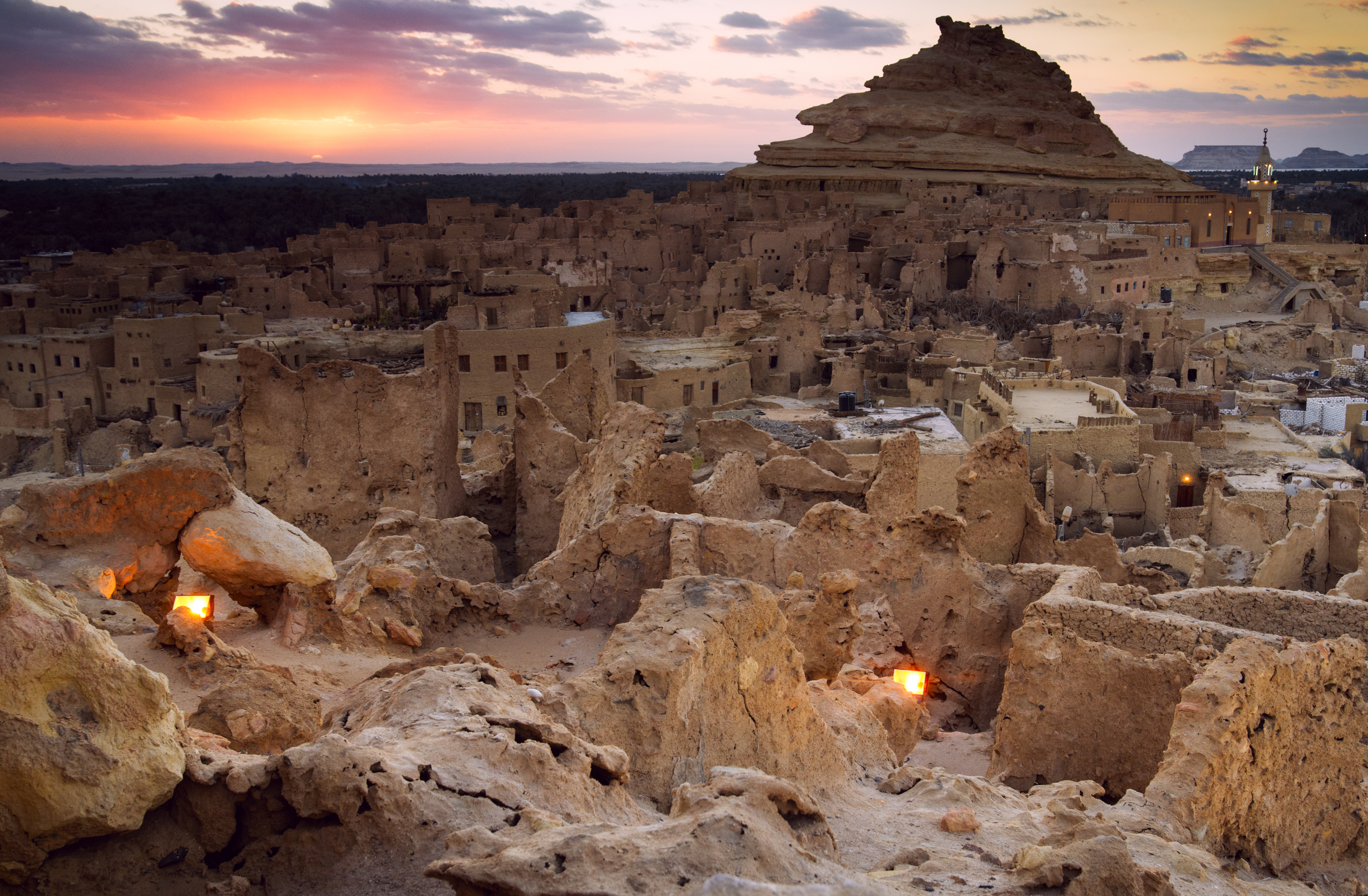
Siwa is one of Egypt's most unusual places: palm groves, salt lakes, desert landscapes, and a culture quite different from the Nile Valley. On 2 August 2027, Siwa is expected to see more than five and a half minutes of totality.
It may not offer the longest eclipse in Egypt — but combined with a few days of desert exploration, it could be one of the most atmospheric.
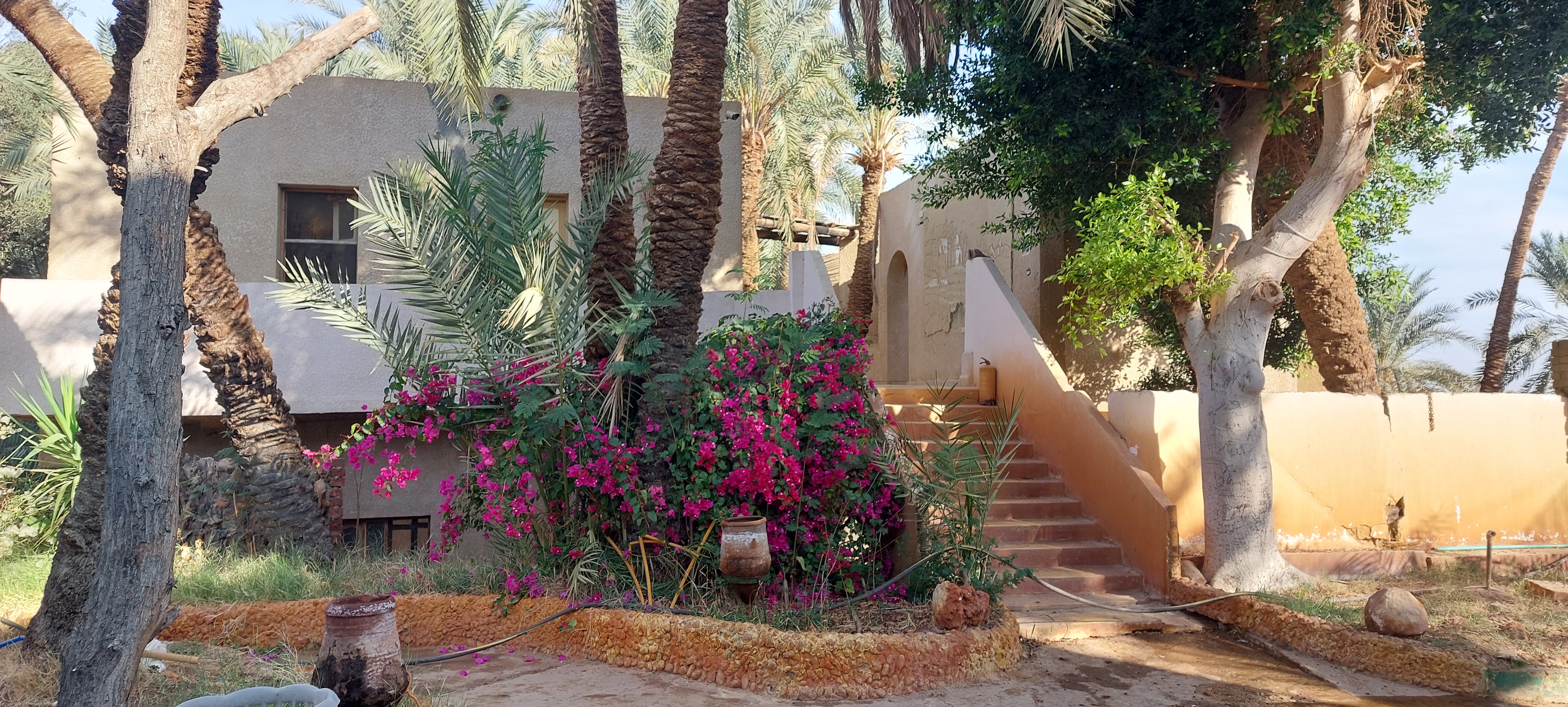
2. Bahariya Oasis and the Black Desert
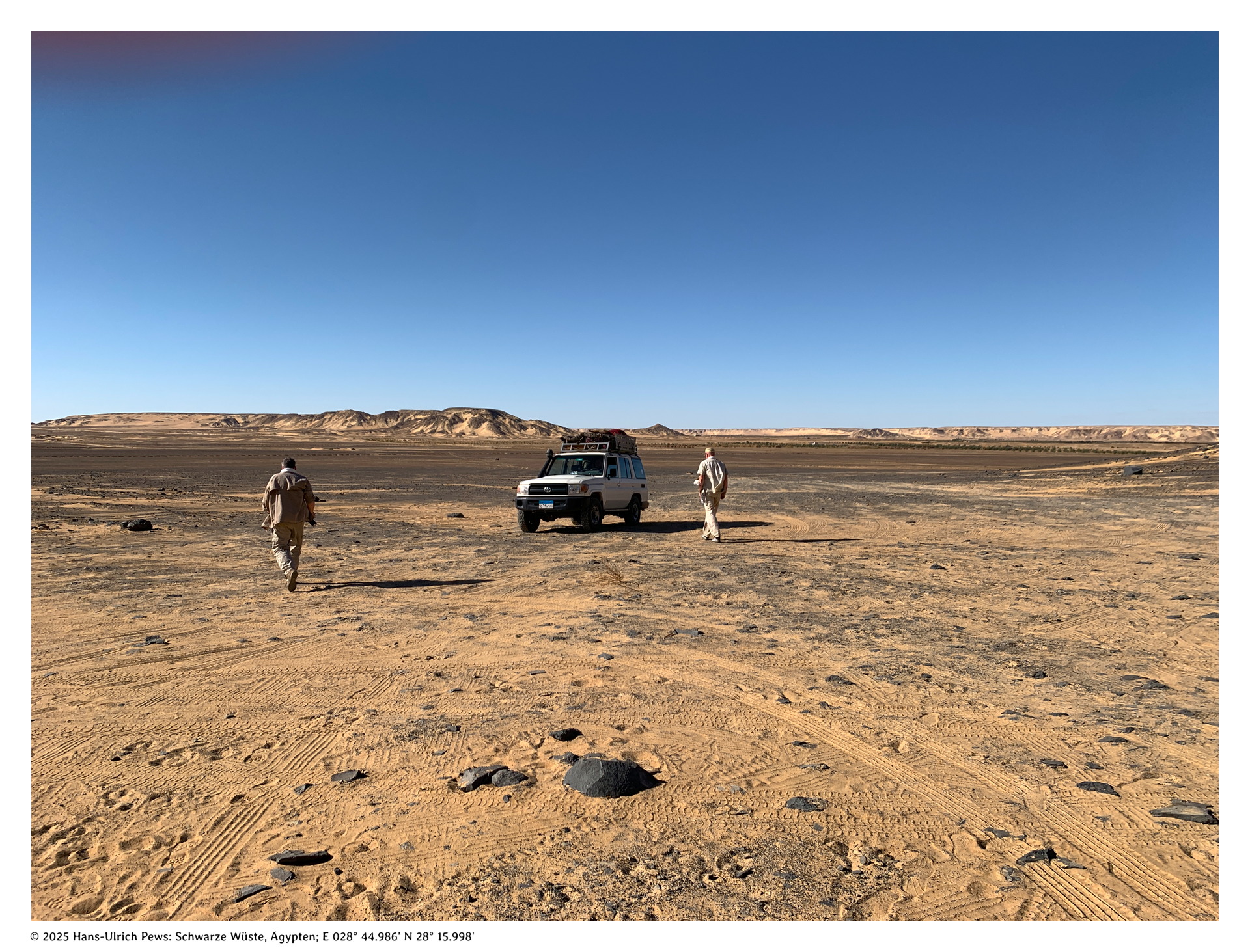
Bahariya and the surrounding Black Desert offer a completely different setting from Luxor — volcanic hills, open horizons, silence, and a journey that becomes part of the experience itself.
It's for travellers who want more than to arrive, watch, and leave. Only parts of this region lie within the path of totality, so our final sites are chosen based on the eclipse calculations and practical access.
3. Totality on the Move
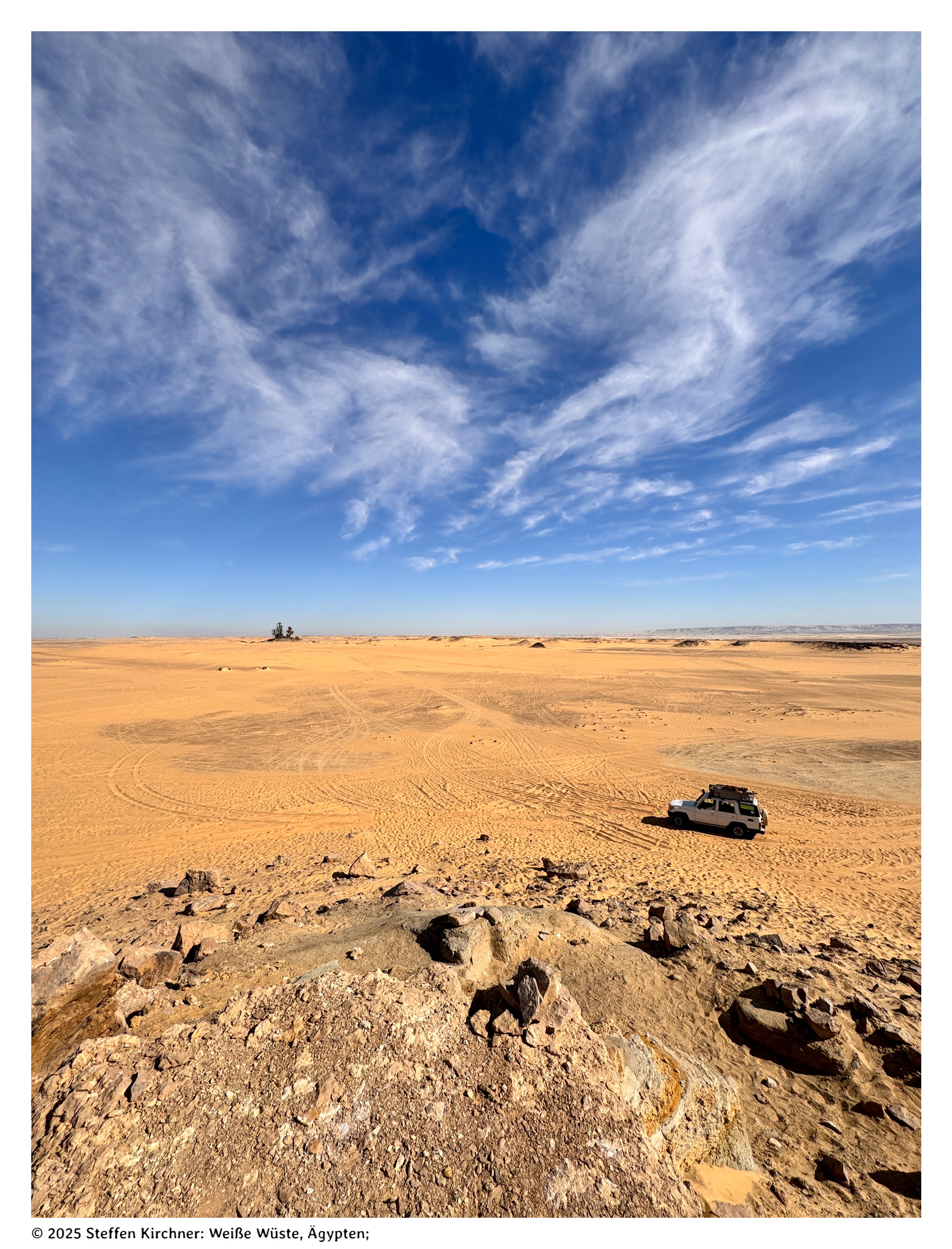
For the most adventurous travellers: a 4x4 desert journey to a carefully chosen observation point, decided by the eclipse path rather than a famous destination
. Not a crowded viewing field — being out there. The site still has to be selected and secured in advance, but for desert lovers, this may be the most personal way to experience totality.
4. A Desert Observation Camp
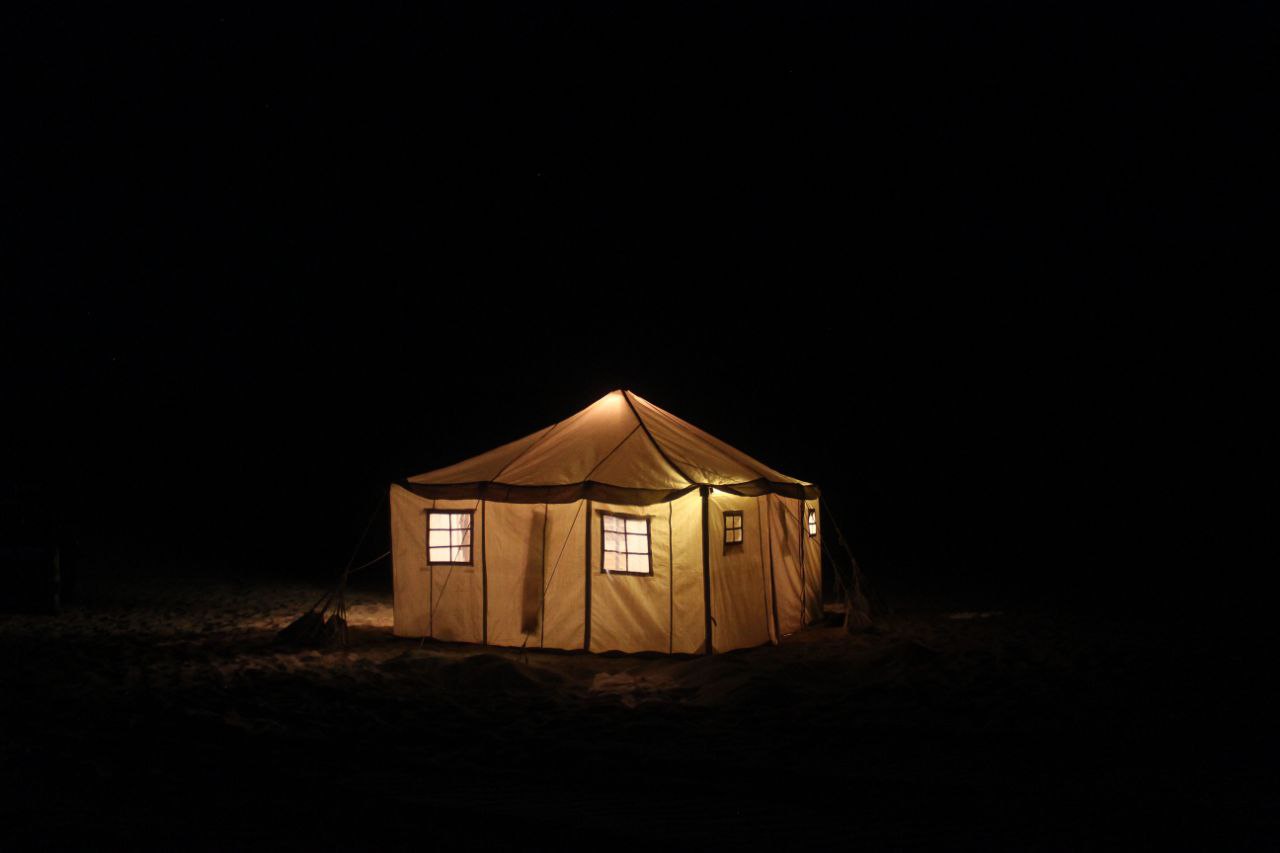
Not everyone wants to camp for several nights, but many still want the eclipse outside the city.
A daytime desert observation camp — shade, seating, refreshments, a wide open horizon — offers exactly that: stay comfortably at a nearby hotel, then travel out for the eclipse itself.
For many guests, it's the perfect compromise: the desert experience without giving up comfort.
5. Directly at the Hotel
Sometimes the simplest option is the best: wake up, have breakfast, walk to the observation area, watch one of the longest total solar eclipses of the century — then back to lunch. For some programmes we're looking at hotels inside, or extremely close to, the path of totality.
Particularly interesting for families, older travellers, guests who don't want long transfers, and anyone who prefers comfort and simplicity. You don't have to stand in the middle of the desert to experience something extraordinary.
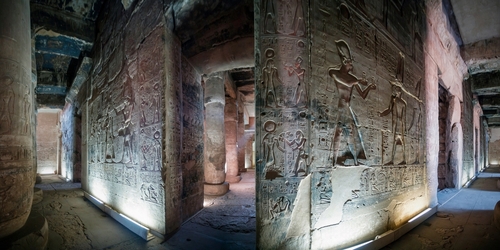
6. Abydos — Totality and Ancient Egypt
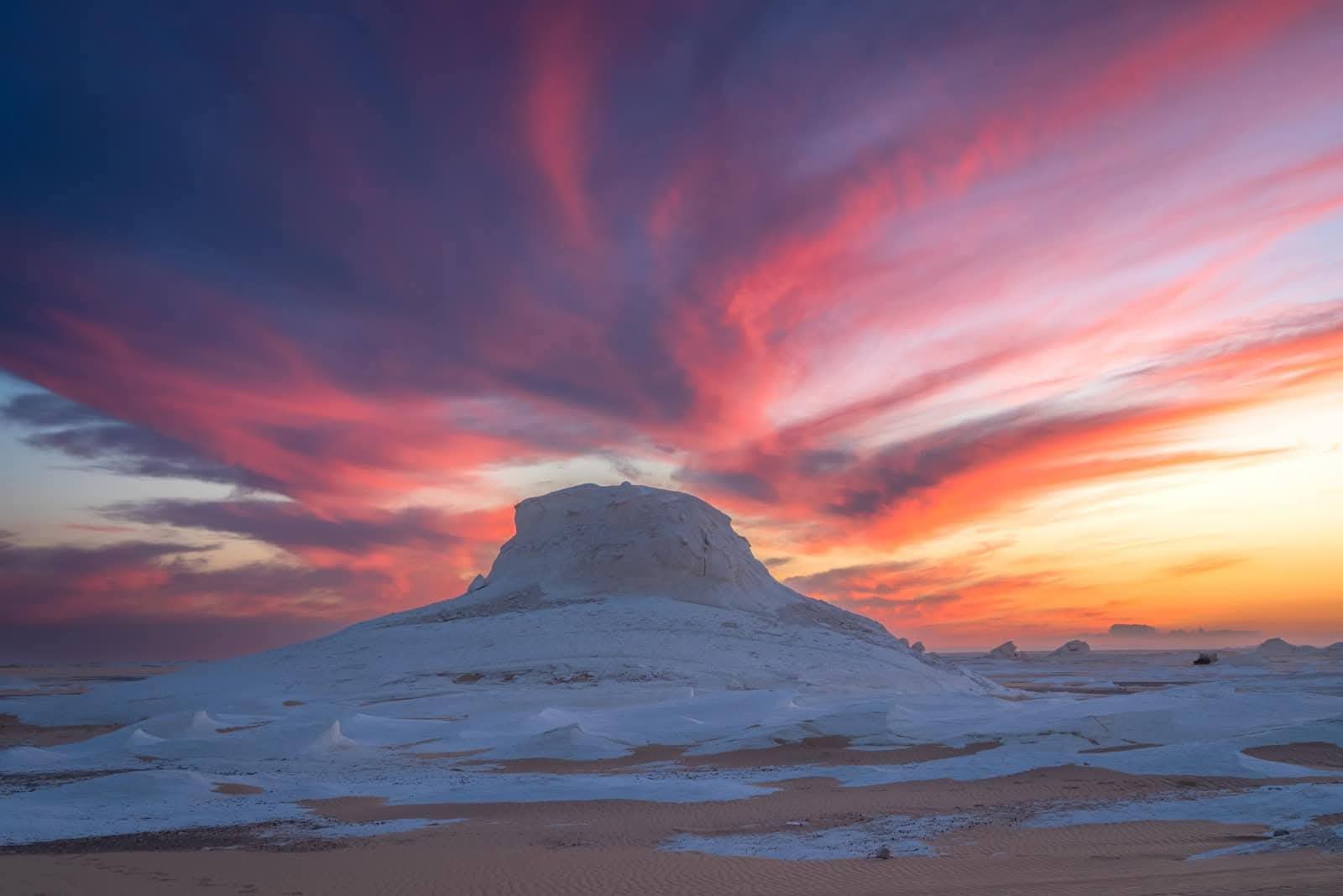
Abydos and its extraordinary Temple of Seti I remain far less visited than Luxor — a chance to combine the eclipse with a journey through Middle Egypt instead of the crowds.
The exact viewing point may be outside the temple itself, depending on access and permissions, but the region offers a very different eclipse journey from the classic Luxor programme.
7. Esna — The Nile Beyond the Crowds
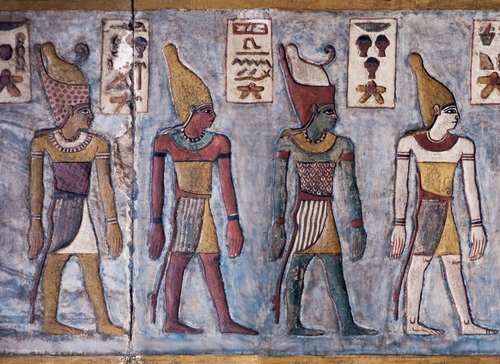
Just south of Luxor, Esna stays close to one of the most favourable stretches of the eclipse path without the central-Luxor crowds — and opens up ways to combine the eclipse with a journey on the Nile.
It doesn't have to be hotel → viewing field → hotel; it can be part of a much larger journey.
8. A Special Dahabeya — Totality on the Nile
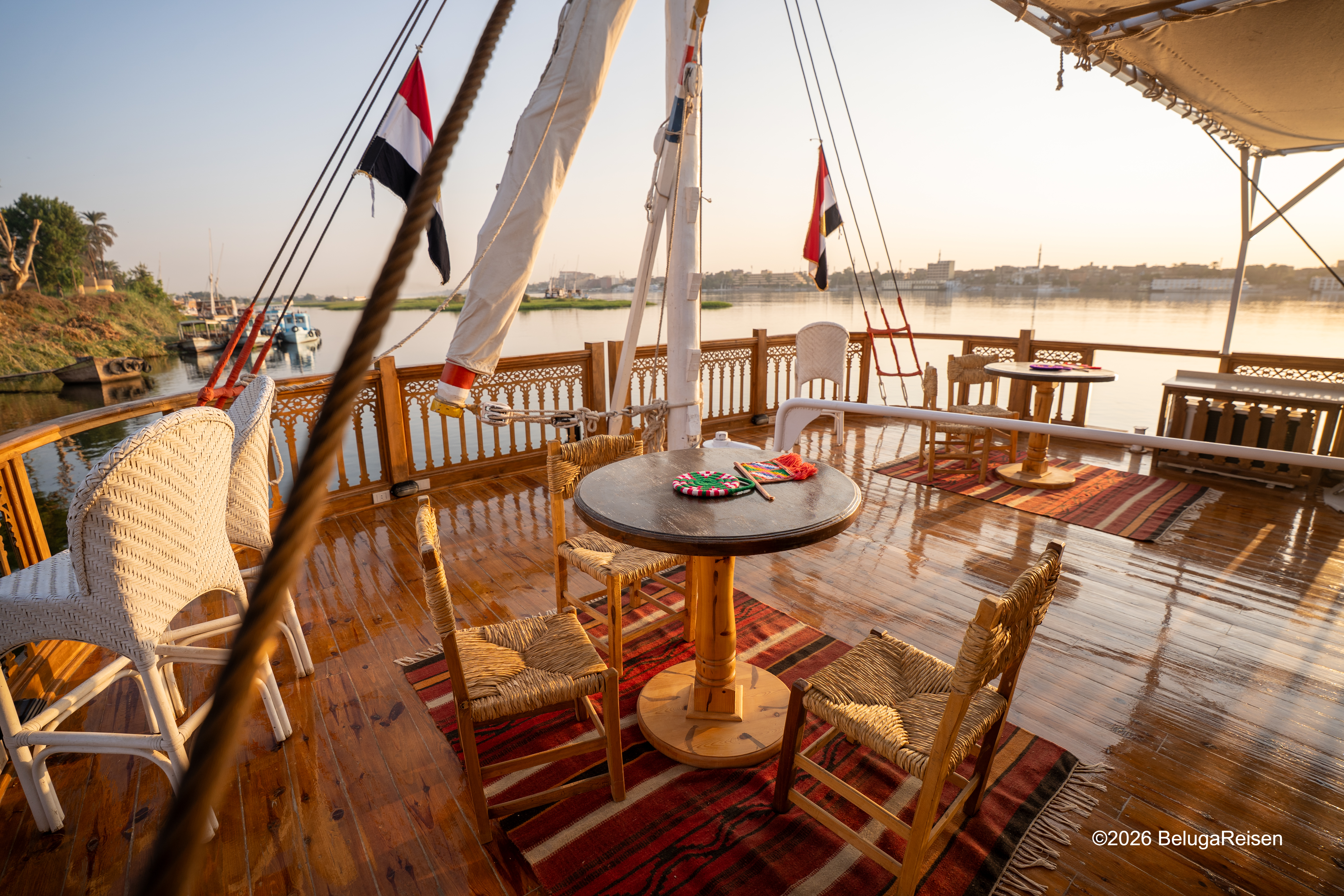
Perhaps our most unusual idea: several days sailing slowly along the Nile on a traditional Dahabeya — small group, no crowds, ancient temples, quiet moorings — before experiencing totality on 2 August 2027 from a carefully chosen spot along the river.
Positioning the boat and securing the right observation site is the challenge, but if it comes together, this could be one of the most exclusive ways to experience the eclipse.
And What About Luxor?
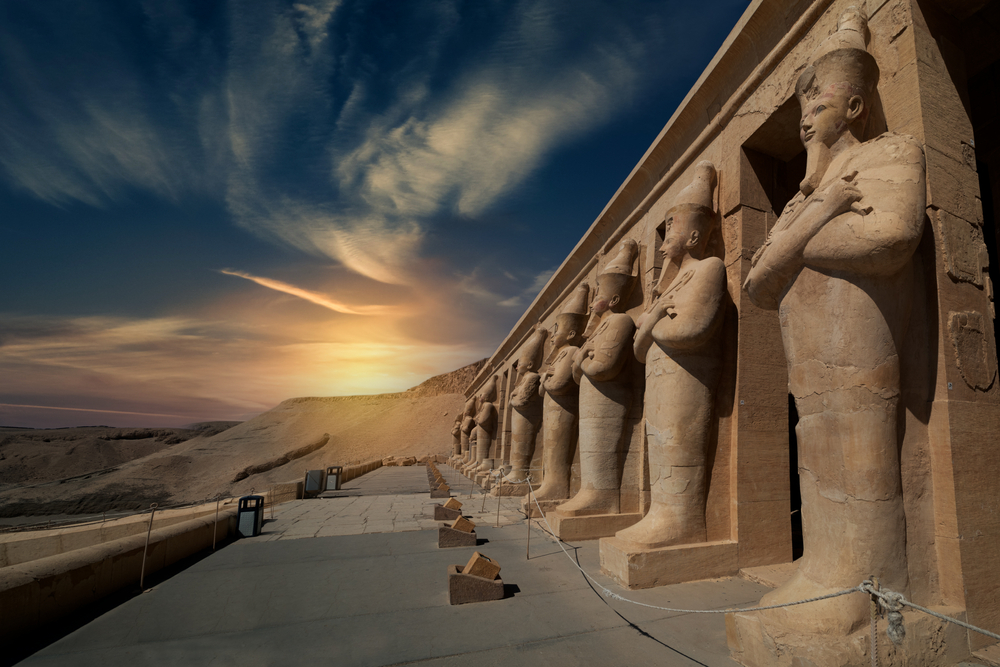
Luxor remains extraordinary, of course — close to the area of maximum duration, with around 6 minutes 22 seconds of totality, and one of the world's most spectacular combinations of astronomy and ancient history.
It's also the obvious choice: hotels, roads and viewing areas will be busy. For some, that won't matter. For others, it's exactly why they'll choose something different.
Which One Would You Choose?
🌴 Siwa Oasis — palms and desert landscapes
🌋 Bahariya & the Black Desert — Western Desert wilderness
🚙 On the Move — a 4x4 journey to the right spot
🏕️ A Desert Camp — open horizon, organised comfort
🏨 Your Hotel — the easiest, most relaxed option
🏛️ Abydos — totality plus one of Egypt's great temples
🌊 Esna — close to Luxor, beyond the crowds
⛵ A Dahabeya — a small-group journey on the Nile
Or would you still choose ☀️ Luxor — six unforgettable minutes in the heart of ancient Thebes?
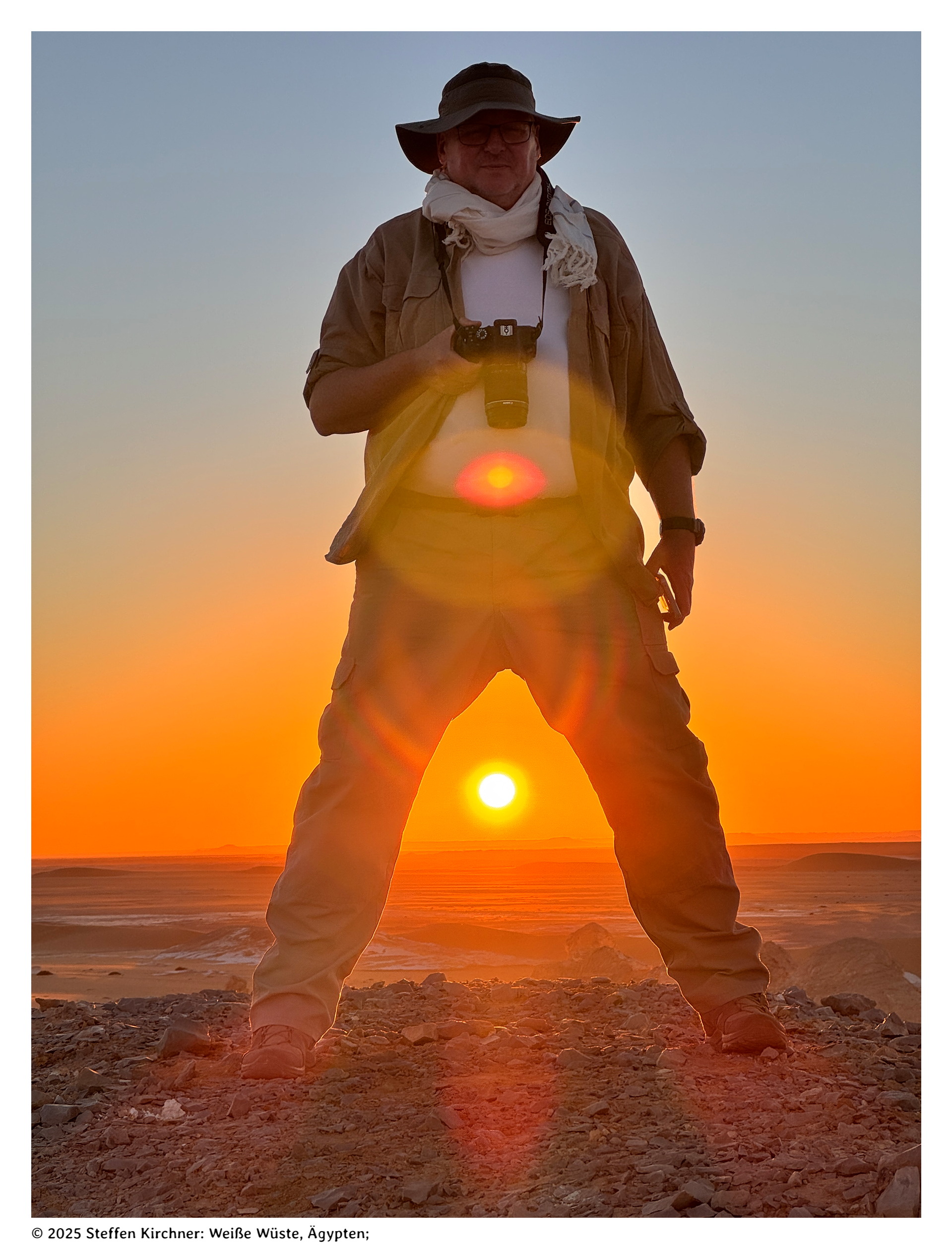
Our Answer?
We don't think there's only one way to experience the 2027 eclipse — which is why we're developing around eight different eclipse experiences, from simple to adventurous, comfortable to completely unique. All with one goal: to let you experience totality in a way that suits you, not just where everyone else is going.
Final observation points will depend on detailed eclipse calculations, site access, permissions and operational conditions — NASA's maps show that exact conditions vary slightly with location.
The question isn't where is the best place to see the eclipse. It's: where would you like to experience it?
Tell us — the oasis, the desert, ancient Egypt, the Nile, or Luxor?